Amazon Rainforest Sees Lowest Forest Fires in Four Decades
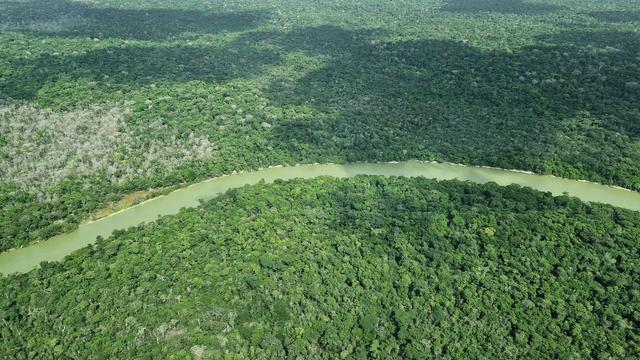
The Amazon rainforest has experienced the fewest forest fires in 40 years, marking a significant environmental milestone. This reduction is a positive development for the vital ecosystem, which plays a crucial role in global climate regulation. The decrease in fire incidents suggests a potential improvement in conservation efforts or a shift in contributing factors.
While the exact reasons for this decline are multifaceted, it offers a hopeful sign for the future of the Amazon. Continued monitoring and sustained protective measures will be essential to maintain this positive trend. The long-term health of the Amazon is critical for biodiversity and mitigating climate change.
The significant decrease in Amazonian forest fires over the past 40 years indicates a potential positive shift in environmental management or underlying socio-economic drivers. This trend, if sustained, could alleviate pressure on a critical global carbon sink and biodiversity hotspot. Future analysis should focus on identifying the specific policy interventions, enforcement mechanisms, or economic factors that contributed to this reduction. Understanding these dynamics is crucial for replicating success in other vulnerable ecosystems and for anticipating how evolving global and regional pressures might impact these gains in the coming decade, particularly in the context of increasing climate variability and resource demands.
AI-generated to prompt reflection — not editorial opinion, not advice, not a statement of fact. How this works.