Amazon Reserve in Brazil Celebrates 30 Years as Global Conservation Model
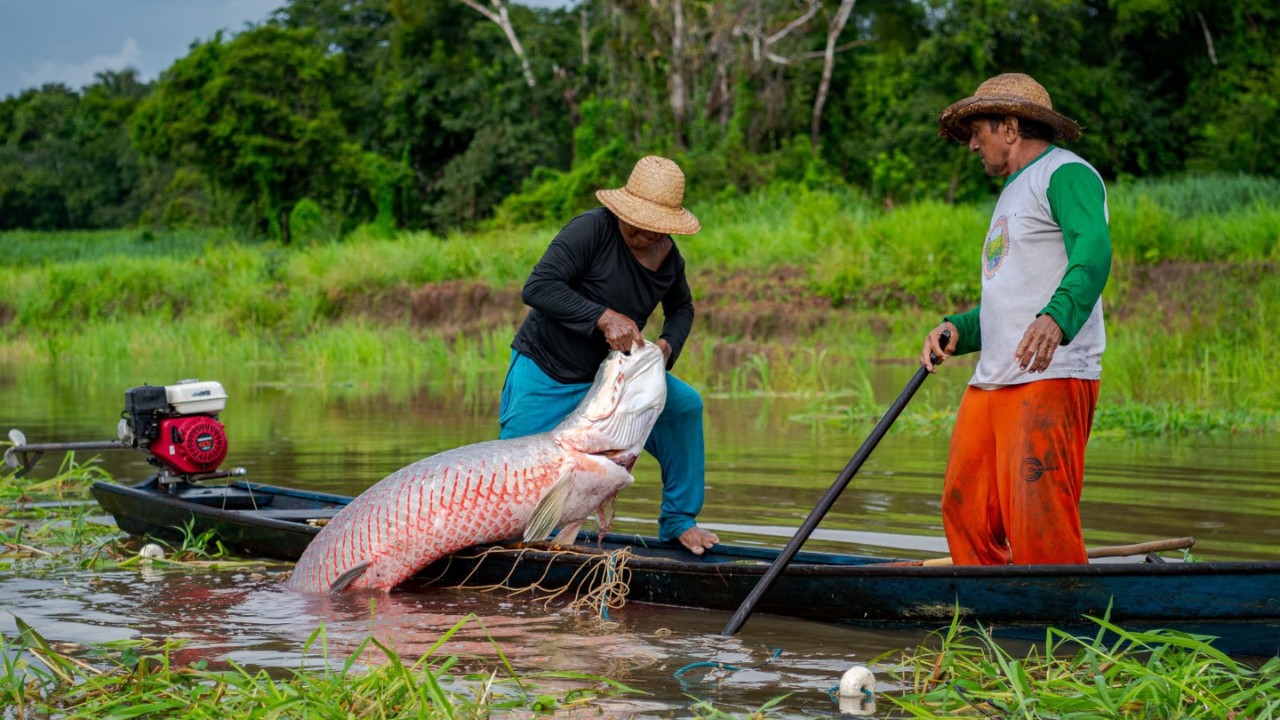
The Mamirauá Sustainable Development Reserve (RDS) in Amazonas, Brazil, is celebrating its 30th anniversary this week. Established as Brazil's first conservation unit of its kind, Mamirauá has become an internationally recognized model for integrating biodiversity protection with the continued presence of traditional communities within their ancestral lands. The reserve's creation aimed to preserve the forest while ensuring the sustainable use of natural resources, allowing local residents to remain in the area and actively participate in conservation efforts. This approach successfully combines traditional community knowledge with scientific research and responsible environmental management.
Spanning over one million hectares of seasonally flooded forest, Mamirauá is part of the Central Amazon Conservation Complex, designated a Natural World Heritage Site by UNESCO. It is also recognized under the Ramsar Convention as a Wetland of International Importance. The reserve's innovative model, which contrasts with earlier conservation practices that often displaced local populations, was conceived in the 1980s by biologist José Márcio Ayres. Today, the Sustainable Development Reserve model has been adopted by 46 conservation units across Brazil.
A key achievement in Mamirauá is the participatory management of the pirarucu fish. This initiative integrates scientific research with the expertise of local fishermen, who conduct fish counts to determine sustainable catch limits. This program has led to a remarkable recovery of pirarucu stocks, with populations increasing by over 600% in managed areas, and the average captured fish now measuring 1.80 meters. The methodology has since been adopted in other Amazonian regions and neighboring countries. Beyond fishing, the reserve supports community-based tourism and sustainable forest management as additional income sources. Residents like Ruth Martins, who works at the community-run Casa do Caboclo guesthouse, highlight how these initiatives enable them to maintain their livelihoods and cultural identity while contributing to conservation.
The Mamirauá Sustainable Development Reserve's 30-year success story demonstrates a paradigm shift in conservation, moving from exclusionary models to inclusive ones that empower local communities. This approach leverages local knowledge and fosters a sense of stewardship, proving that human presence and ecological preservation are not mutually exclusive. The significant recovery of pirarucu stocks, exceeding 600%, highlights the efficacy of participatory resource management. Looking ahead, the challenge for such models lies in scaling their success while ensuring robust governance and financial sustainability, especially in the face of increasing external pressures on Amazonian ecosystems. The long-term viability will depend on continued scientific integration, adaptive management strategies, and strong partnerships that balance ecological integrity with the socio-economic needs of resident communities in the evolving geopolitical and environmental landscape.
AI-generated to prompt reflection — not editorial opinion, not advice, not a statement of fact. How this works.