Amazon River Dredging Begins in Juruti Amid Community Accusations of Broken Agreements
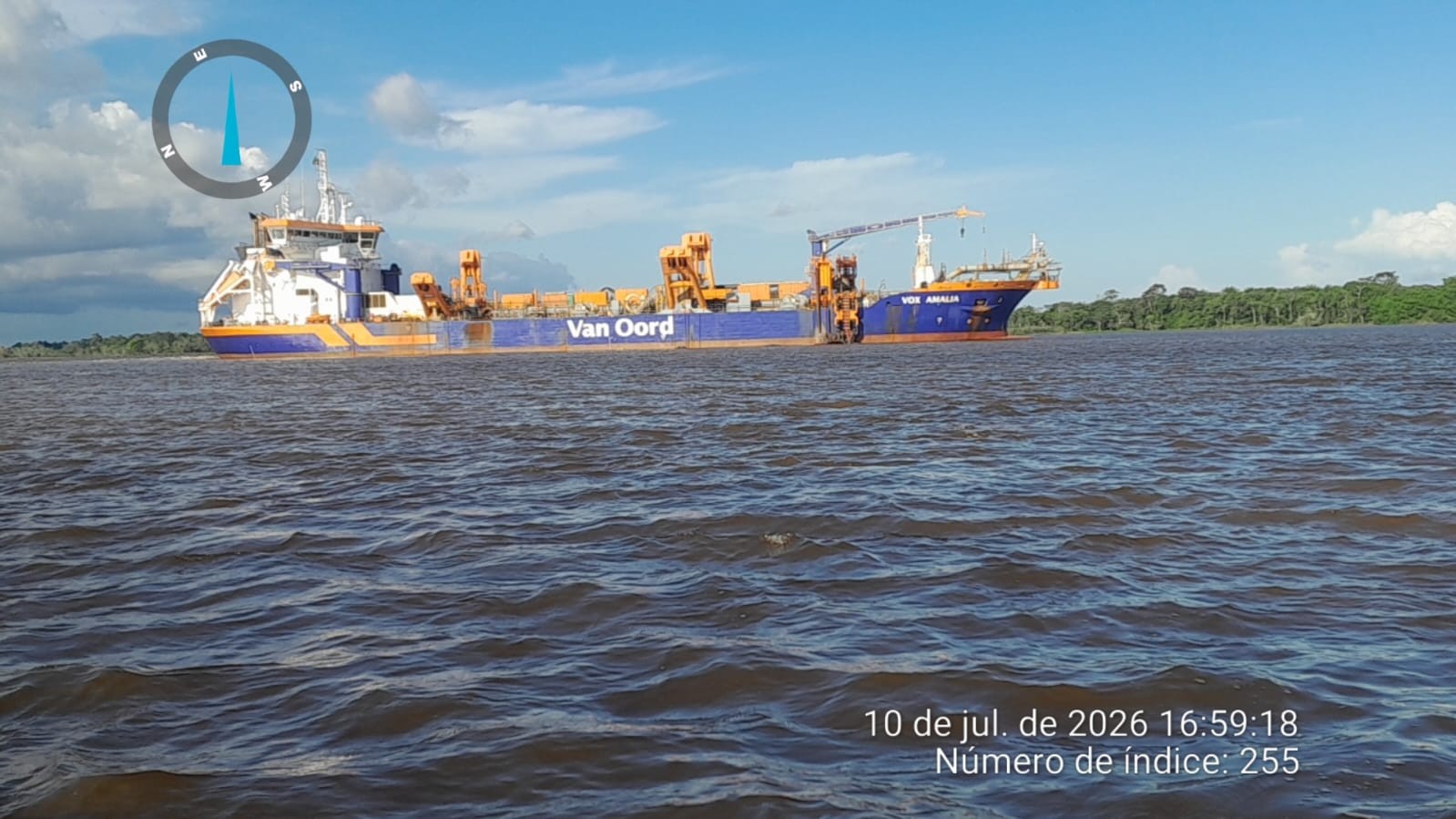
Dredging operations on the Amazon River near Juruti, Pará, have commenced, according to Alcoa, which informed the Coordination of Communities Directly Impacted by the Dredging of the Amazon River (CDID). The CDID, representing over 13 riverside communities, stated it was not adequately notified and opposes the timing of the operation, citing an agreement that stipulated six months' advance notice. The coordination also questions the process managed by the State Secretariat of Environment, Climate and Sustainability (Semas), arguing that its planned inspection lacks crucial pre-dredging environmental and social data collection, hindering impact assessment. Furthermore, the CDID objects to the dredging proceeding before the presentation of necessary technical studies, which they believe should precede, accompany, and follow the work. The environmental licensing granted by Semas is also contested by the CDID, which deems it lacking sufficient technical and social backing.
The Federal Public Ministry (MPF) is monitoring the dredging activities, citing the Amazon River as federal property and potential impacts on traditional communities. Previous technical inspections and meetings in November 2025 revealed severe socio-environmental impacts, including water contamination, reduced fish populations, silting of streams, and loss of agricultural land. The MPF recommended changes to the environmental licensing process, arguing that simplified studies used by Semas are inadequate for the scale of the intervention. Despite Alcoa's prior indication of resuming dredging in August 2026, the MPF has inquired about the current July commencement, as an environmental authorization allows for the removal of up to 7 million cubic meters of sediment until June 2027. The MPF contends that proceeding without necessary environmental studies violates environmental precaution and prevention principles.
Semas maintains that the maintenance dredging is compliant with federal law, which exempts such interventions from licensing. The Juruti Municipal Secretariat of Environment is monitoring the process within its legal scope and engaging with relevant parties. Alcoa asserts its operations are authorized by Semas and comply with all regulations, including ongoing environmental monitoring and community engagement, and states its commitment to socio-environmental principles.
The commencement of dredging operations on the Amazon River in Juruti highlights a recurring tension between industrial development, environmental protection, and community rights. The core issue revolves around the adequacy of environmental assessments and the transparency of the licensing process. While Semas and Alcoa assert compliance with current regulations, particularly citing exemptions for maintenance dredging, the CDID and MPF argue that the scale and potential cumulative impacts necessitate more rigorous studies, such as an EIA/RIMA and an EIC. This situation reflects a broader challenge in resource-rich regions: balancing economic imperatives with the long-term sustainability of ecosystems and the well-being of local populations. The differing timelines communicated by Alcoa and the MPF's inquiries suggest potential communication breakdowns or strategic shifts in operational planning. Future approaches could benefit from enhanced multi-stakeholder dialogue mechanisms and adaptive management frameworks that integrate community concerns and robust, independent scientific oversight from the outset, ensuring that development proceeds with genuine social license and ecological responsibility.
AI-generated to prompt reflection — not editorial opinion, not advice, not a statement of fact. How this works.