Amazon's Infovia 5 fiber optic network begins deployment on Madeira River
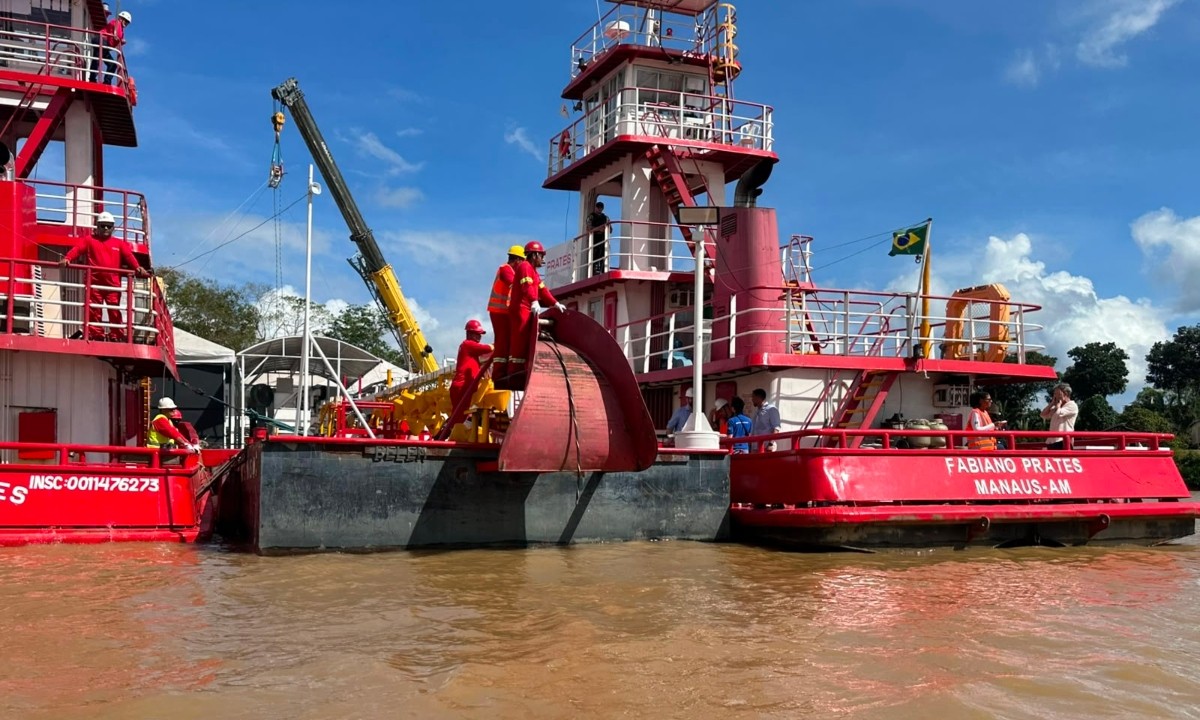
The deployment of Infovia 5, a subaquatic fiber optic network, has commenced on the Madeira River, aiming to bring internet access to over 700,000 people across nine municipalities in the Brazilian states of Amazonas and Rondônia. This initiative is part of the broader Norte Conectado program, designed to enhance connectivity in underserved Amazonian regions. The project involves laying 1,116 kilometers of fiber optic cable along the riverbed and an additional 210 kilometers of terrestrial network, linking Autazes (AM) to Porto Velho (RO).
The new infrastructure is intended to serve public institutions such as hospitals, schools, and judicial and military facilities, while also enabling private internet providers to expand their services to the general population. The network will not be free; its operation will be managed by a consortium of companies selected through a public tender, with a leader designated to oversee operations and maintenance. Half of the network's capacity will be allocated for public sector use, and the other half will be available for commercial exploitation by private providers.
The initial phase of cable laying, between Autazes and Manicoré, is expected to take 19 to 20 days, utilizing a specialized barge. The route was meticulously chosen based on technical studies of river depth, soil type, and potential hazards to minimize damage risks. The estimated investment for Infovia 5 is between R$ 300 million and R$ 400 million. Challenges include heavy vessel traffic and illegal mining operations in the Madeira River, which necessitate measures like burying cables in critical sections and sharing geo-referenced data with maritime and transport authorities to prevent disruption.
The Infovia 5 project represents a significant governmental investment in digital infrastructure for the Amazon region, aiming to bridge the digital divide. By utilizing subaquatic fiber optics, the initiative seeks to provide essential connectivity for public services and stimulate commercial internet expansion. The public-private consortium model for operation and maintenance, coupled with a revenue-sharing approach for public and commercial use, highlights a strategy to ensure long-term sustainability and operational efficiency. However, the project faces inherent risks from intense river navigation and potential environmental interference, necessitating robust risk mitigation strategies and inter-agency coordination. Looking ahead, the success of such large-scale infrastructure projects in remote and challenging environments will be crucial for equitable digital access and economic development in the AI era, underscoring the importance of adaptable governance and technological resilience.
AI-generated to prompt reflection — not editorial opinion, not advice, not a statement of fact. How this works.