Amazon's Medicinal Plants: Benefits, Scientific Interest, and Usage Cautions
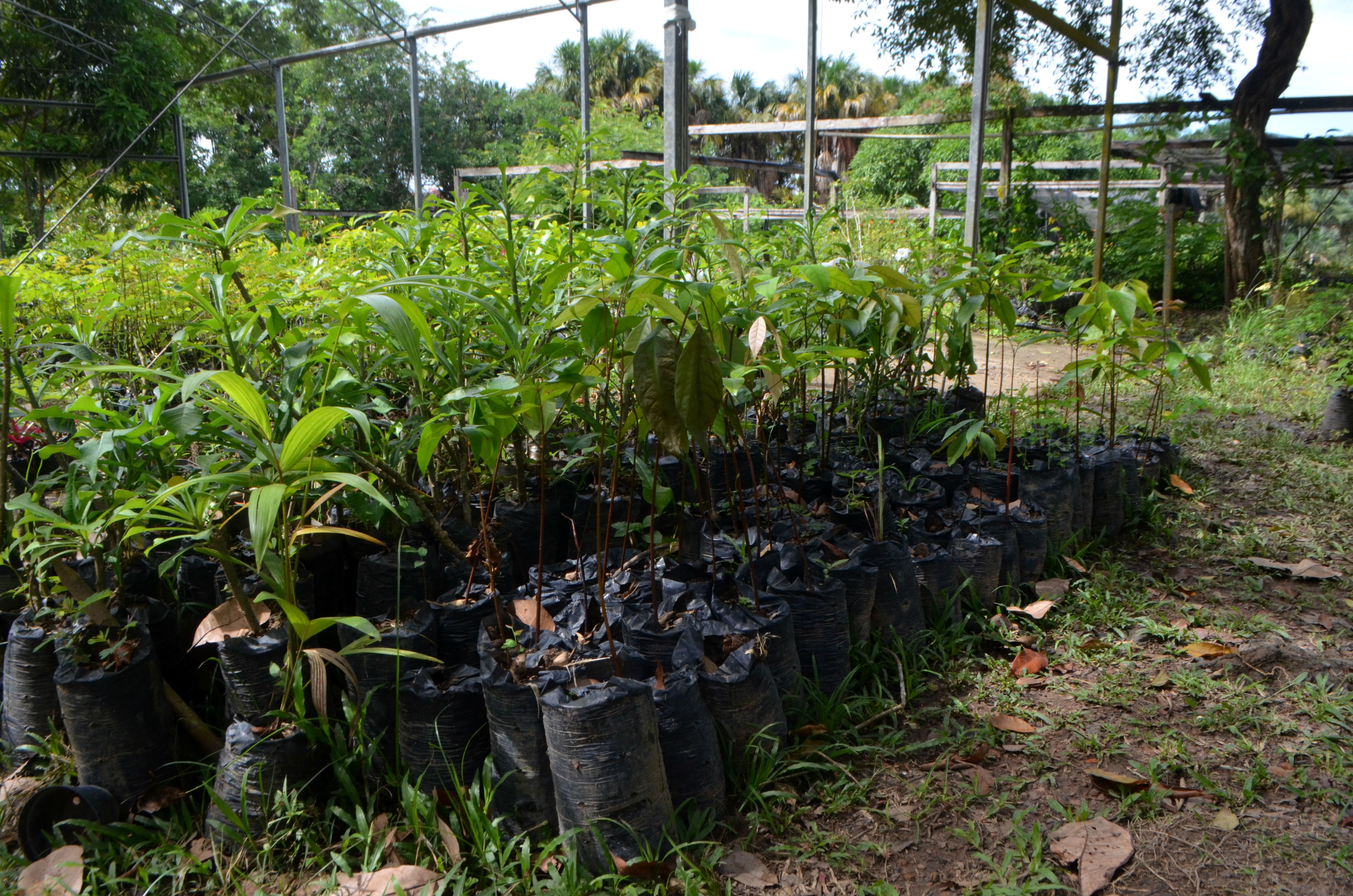
The Amazon rainforest, particularly regions like Rondônia, is a rich source of medicinal plants that are increasingly attracting scientific attention beyond traditional uses. Species such as copaíba, andiroba, unha-de-gato, and jambu are being studied for their natural compounds and potential health benefits. Dr. Osvanda Silva de Moura, a Botany professor at the Federal University of Rondônia (Unir), explains that medicinal plants contain active compounds that can produce therapeutic effects, serving as the basis for traditional medicine and the production of phytotherapeutics. These compounds, resulting from the plant's metabolism, interact with the human body to offer analgesic, anti-inflammatory, calming, and diuretic effects, among others. The Amazon is described as a 'living pharmacy,' harboring hundreds of medicinal species including crajiru, quina, pracaxi, aroeira, terramicina, capim-santo, espinheira-santa, mastruz, and various types of boldo, alongside native forest species. Even the açaí fruit, beyond its nutritional value, is recognized for its antioxidant properties and potential benefits for the circulatory, cardiovascular, digestive, and urinary systems. Copaíba oil is noted for its anti-inflammatory, antioxidant, healing, and antimicrobial properties, while andiroba oil is used topically for muscle pain and skin regeneration, though ingestion is cautioned against due to potential stomach and liver harm. Unha-de-gato is used for joint pain and immune support, but is not recommended for pregnant or breastfeeding women, or those with autoimmune diseases or organ transplants. Jambu's spilantol compound offers anesthetic effects for dental and digestive issues, with ongoing research into its anti-inflammatory potential. Espinheira-santa is valued for its gastroprotective action, particularly for gastritis relief. Common backyard plants like capim-santo offer calming and analgesic effects, while mastruz has vermifuge, anti-inflammatory, and expectorant properties. Researchers are actively working to combat 'botanophobia' by scientifically validating the efficacy of these Amazonian flora.
The growing scientific validation of Amazonian medicinal plants highlights a global trend towards natural and traditional remedies, driven by both consumer interest and the search for novel therapeutic compounds. This research intersects with the imperative to conserve biodiversity, as many of these plant resources are threatened by deforestation and habitat loss. Future development of phytotherapeutics from these species will necessitate robust supply chain management and sustainable harvesting practices to avoid depleting natural resources. Furthermore, navigating intellectual property rights related to indigenous knowledge and bioprospecting will be crucial for equitable benefit-sharing. The challenge lies in integrating these scientifically-backed natural medicines into mainstream healthcare systems, ensuring quality control, standardized dosages, and clear guidelines for safe and effective use, while respecting the cultural heritage associated with their traditional application.
AI-generated to prompt reflection — not editorial opinion, not advice, not a statement of fact. How this works.