Amazon's Zoox Receives First Regulatory Approval for Paid Rides in a Wheelchair-Free Robotaxi
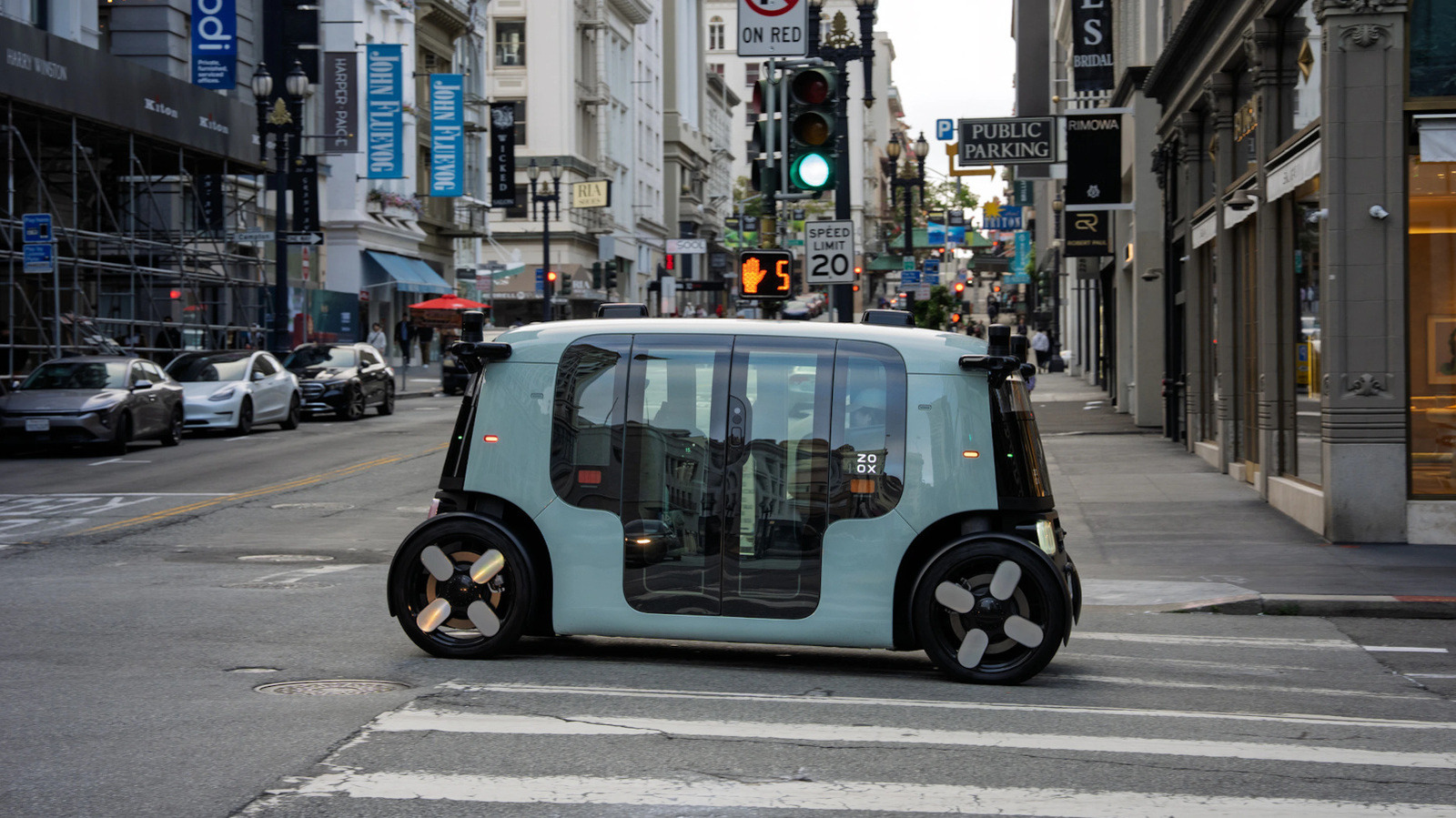
Amazon's autonomous vehicle company, Zoox, has achieved a significant milestone by becoming the first company to receive regulatory approval from the National Highway Traffic Safety Administration (NHTSA) to offer paid rides. This approval specifically pertains to their robotaxi, which notably lacks a steering wheel or any manual driving controls. This marks a pioneering moment for the autonomous vehicle industry, paving the way for commercial deployment of vehicles designed exclusively for self-driving. The NHTSA's decision signifies a crucial step in validating the safety and operational readiness of such advanced autonomous systems for public use. Zoox has been developing its purpose-built, bidirectional robotaxi for several years. The company aims to provide a new form of mobility service that is safe, sustainable, and accessible. This regulatory green light from the NHTSA is expected to accelerate the development and adoption of similar autonomous ride-hailing services globally.
The NHTSA's approval for Zoox's driverless, wheel-free robotaxi to offer paid rides represents a pivotal moment in the commercialization of autonomous vehicle technology. This regulatory endorsement validates the safety case for vehicles designed without traditional manual controls, potentially setting a precedent for future autonomous taxi services. The decision highlights a shift towards accepting purpose-built autonomous vehicles, rather than retrofitted passenger cars, as a viable mode of transport. As Zoox moves towards paid services, the focus will shift to operational efficiency, scalability, and public acceptance. This development underscores the increasing momentum of AI-driven mobility solutions, suggesting a future where autonomous ride-sharing could significantly reshape urban transportation landscapes and consumer behavior over the next decade.
AI-generated to prompt reflection — not editorial opinion, not advice, not a statement of fact. How this works.