Amazon State University Expands 2026 Admissions with More Spots and New Courses
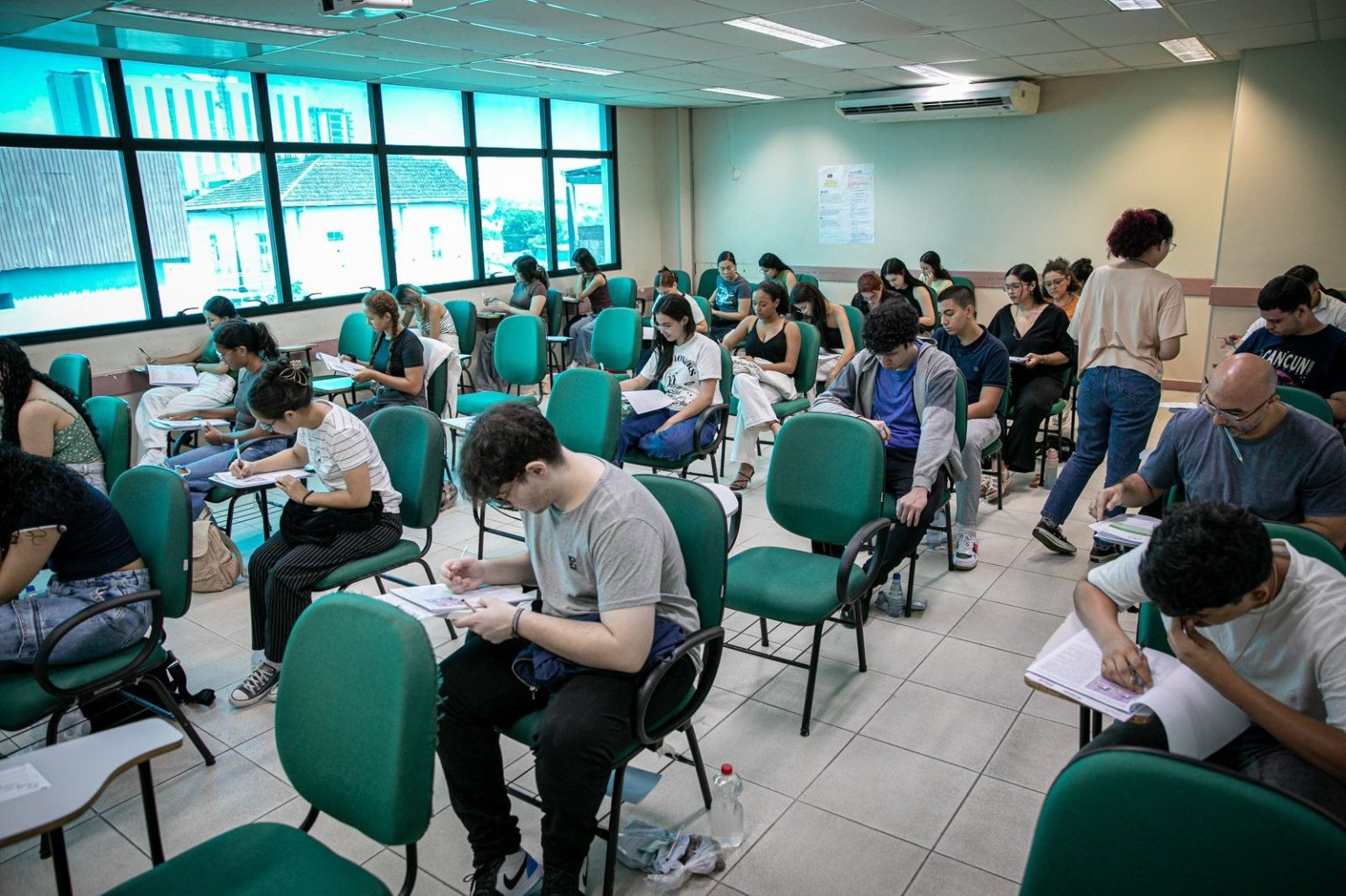
The State University of Amazonas (UEA) has significantly increased its admission offerings for the 2026 academic year, expanding both its traditional Vestibular and the SIS (Sistema de Ingresso Seriado) entrance systems. The total number of available undergraduate spots has risen from 4,412 to 5,062, accommodating students in both the state capital and its interior regions. This expansion is partly due to the introduction of two new special-offer courses: Administration and Pedagogy, which will be primarily available in the interior municipalities. The application period is open until August 13th, with a fee payment deadline of August 14th. Those seeking an exemption from the application fee must submit their requests by July 24th. Of the total 5,062 vacancies, 3,038 are allocated for the SIS and 2,024 for the Vestibular. New programs include Veterinary Medicine at the Presidente Figueiredo Higher Education Center, Pharmacy in Tefé, and Computer Science in Iranduba. Additionally, a Literature – Portuguese Language and Mathematics degree will be offered to the indigenous community of Belém do Solimões in Tabatinga. Examination dates are set for October 11th for the SIS. The Vestibular will have two stages: General Knowledge on October 12th, followed by Specific Knowledge and an essay on October 13th. Detailed information on courses, vacancies, schedules, and requirements is available on the UEA website.
The expansion of admission slots and the introduction of new courses by the State University of Amazonas reflect a strategic effort to broaden educational access, particularly in the state's interior. This initiative may address regional development disparities by offering specialized training in areas like veterinary medicine and pharmacy, potentially fostering local economic growth and retaining talent within these communities. The inclusion of courses tailored for indigenous populations further highlights a commitment to inclusive education. From a systemic perspective, such expansions require robust financial and administrative planning to ensure the quality of education is maintained across all new and existing programs, especially given the logistical challenges of operating in remote areas. Future success will depend on sustained investment and effective governance to support faculty, infrastructure, and curriculum development, aligning educational offerings with evolving regional and national needs in the coming decade.
AI-generated to prompt reflection — not editorial opinion, not advice, not a statement of fact. How this works.