Amazon State University Opens Applications for 2026 Entrance Exams and SIS
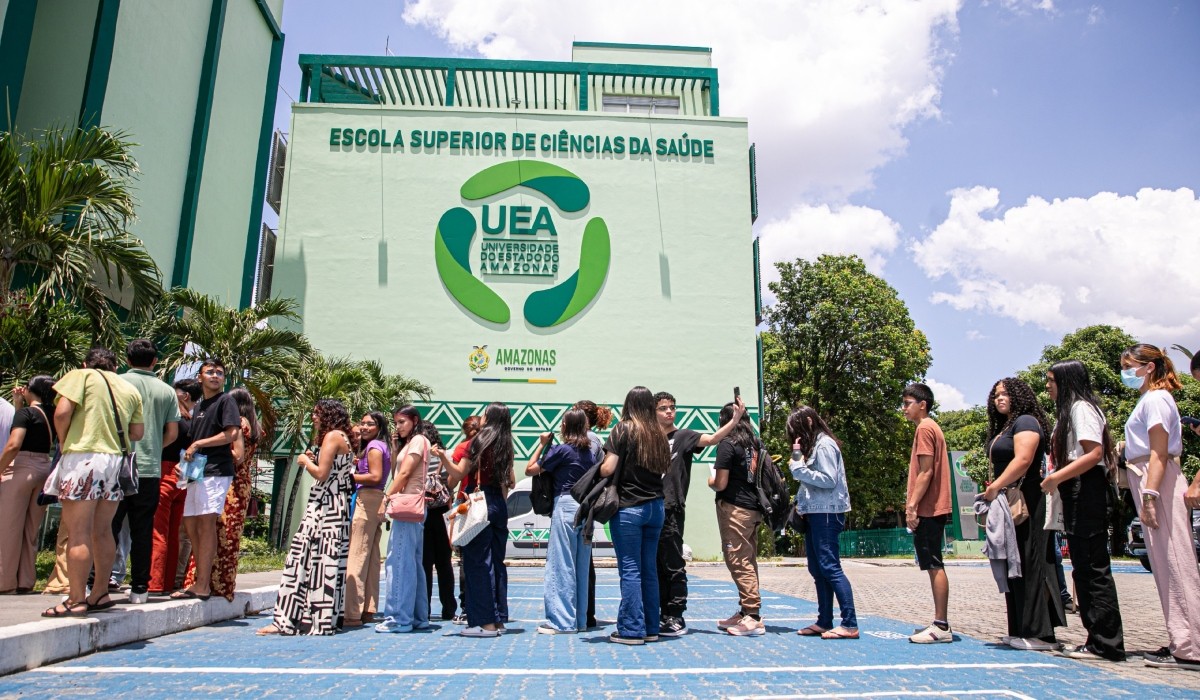
The State University of Amazonas (UEA) has opened registration for its 2026 Vestibular (entrance exam) and Sistema de Ingresso Seriado (SIS) programs, with applications starting on Monday, June 13th. A total of 4,412 undergraduate course positions are available across the state's capital and interior regions. Online applications will be accepted until August 13th, with the application fee payable until August 14th. Of the total vacancies, 2,648 are allocated for the SIS and 1,764 for the Vestibular. UEA has also reserved specific quotas for affirmative action, including 404 spots for indigenous candidates, 892 for individuals with disabilities, 262 for Black individuals, and 60 for vulnerable immigrants. A notable new offering is the Veterinary Medicine program in Presidente Figueiredo, alongside Pharmacy in Tefé, Computer Science Licensure in Iranduba, and Portuguese Language and Mathematics Licensure for the indigenous community of Belém do Solimões in Tabatinga. Examination dates are set for October 11th for SIS, October 12th for Vestibular General Knowledge, and October 13th for Vestibular Specific Knowledge and essay writing.
The expansion of higher education opportunities by the State University of Amazonas, including new courses and affirmative action initiatives, reflects a strategic effort to broaden access and address regional development needs. The introduction of specialized programs like Veterinary Medicine and Computer Science Licensure, alongside targeted support for underrepresented groups, aims to cultivate a more diverse and skilled workforce. However, the long-term efficacy of these initiatives will depend on sustained funding, robust curriculum development, and the university's ability to adapt to evolving labor market demands in the Amazon region. Evaluating the system's capacity to integrate graduates into meaningful employment and contribute to local economic growth will be crucial in the coming decade.
AI-generated to prompt reflection — not editorial opinion, not advice, not a statement of fact. How this works.