Amazon Theaters Earn UNESCO World Heritage Status, Boosting Tourism and Culture
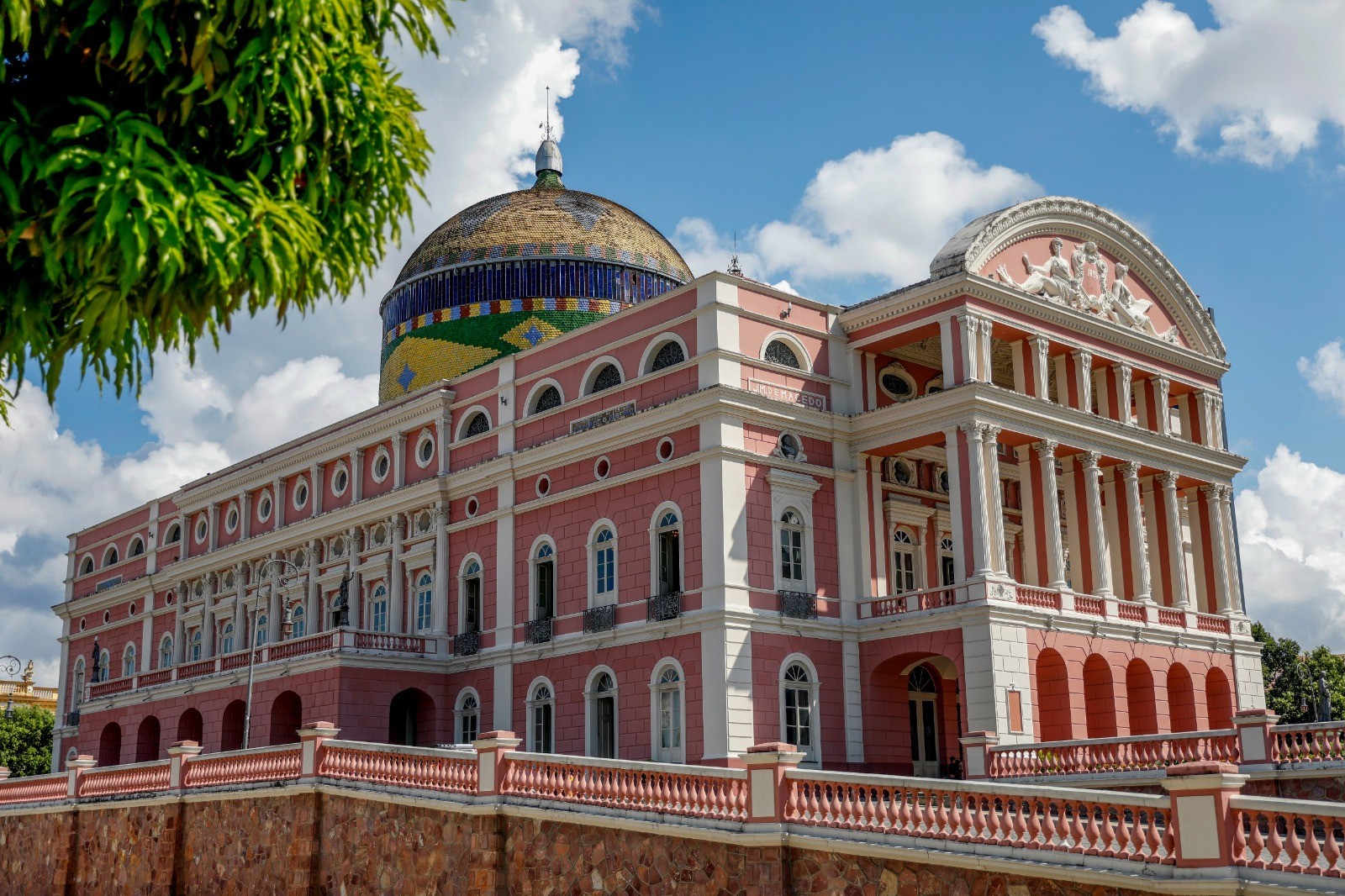
The Teatro Amazonas in Manaus and the Theatro da Paz in Belém have been officially recognized as UNESCO World Heritage sites, a designation that is expected to significantly enhance the visibility of Amazonian history, bolster tourism, and stimulate cultural activities in the region. This joint candidacy, titled "Teatros da Amazônia," was approved by the UNESCO World Heritage Committee during its meeting in South Korea on Monday, July 27th. The recognition places these two iconic opera houses alongside other notable Brazilian UNESCO sites, such as the Pilot Plan of Brasília and the historic centers of Olinda and Salvador.
Filmmaker Ana Lígia Pimentel believes this title will spark greater interest in the history of Amazonas and the wider Amazon region, drawing visitors eager to learn about the theaters' and the area's past. She highlighted the Teatro Amazonas's vibrant ongoing programming of performances and technical visits, emphasizing the robust cultural ecosystem it supports. Beatriz Calheiro, superintendent of the National Historical and Artistic Heritage Institute (Iphan) in Amazonas, noted that the designation also encourages a deeper reflection on the often-overlooked histories of forest workers, rubber tappers, and indigenous peoples who contributed to the region's development during the rubber boom era.
Cândido Jeremias, president of the Amazonian Agency for Cultural Development (AADC), affirmed that the international recognition underscores the theaters' historical importance and will likely increase tourist interest in the region. The joint proposal was spearheaded by Iphan, in collaboration with the Ministry of Culture and the Ministry of Foreign Affairs, with support from the culture secretariats of Amazonas and Pará. Inaugurated in 1896 and 1878 respectively, both theaters were built during the economic prosperity fueled by the rubber trade, symbolizing the urban modernization and integration of the Amazon into international cultural circuits. This marks the first cultural heritage site in Brazil's North Region to receive UNESCO recognition.
The UNESCO World Heritage designation for the "Teatros da Amazônia" represents a significant cultural and economic opportunity. By formally recognizing the historical and architectural importance of these venues, the designation can act as a powerful catalyst for increased tourism and investment in cultural infrastructure. This external validation may incentivize further preservation efforts and encourage a more comprehensive understanding of the region's history, including the contributions of marginalized communities during the rubber boom. The challenge ahead lies in leveraging this recognition to foster sustainable development, ensuring that the economic benefits are distributed equitably and that the cultural heritage is protected for future generations. This event also highlights the potential for collaborative heritage initiatives between different states and national bodies, demonstrating a model for future cultural preservation projects.
AI-generated to prompt reflection — not editorial opinion, not advice, not a statement of fact. How this works.