Amazon Theaters Recognized as UNESCO World Heritage Sites
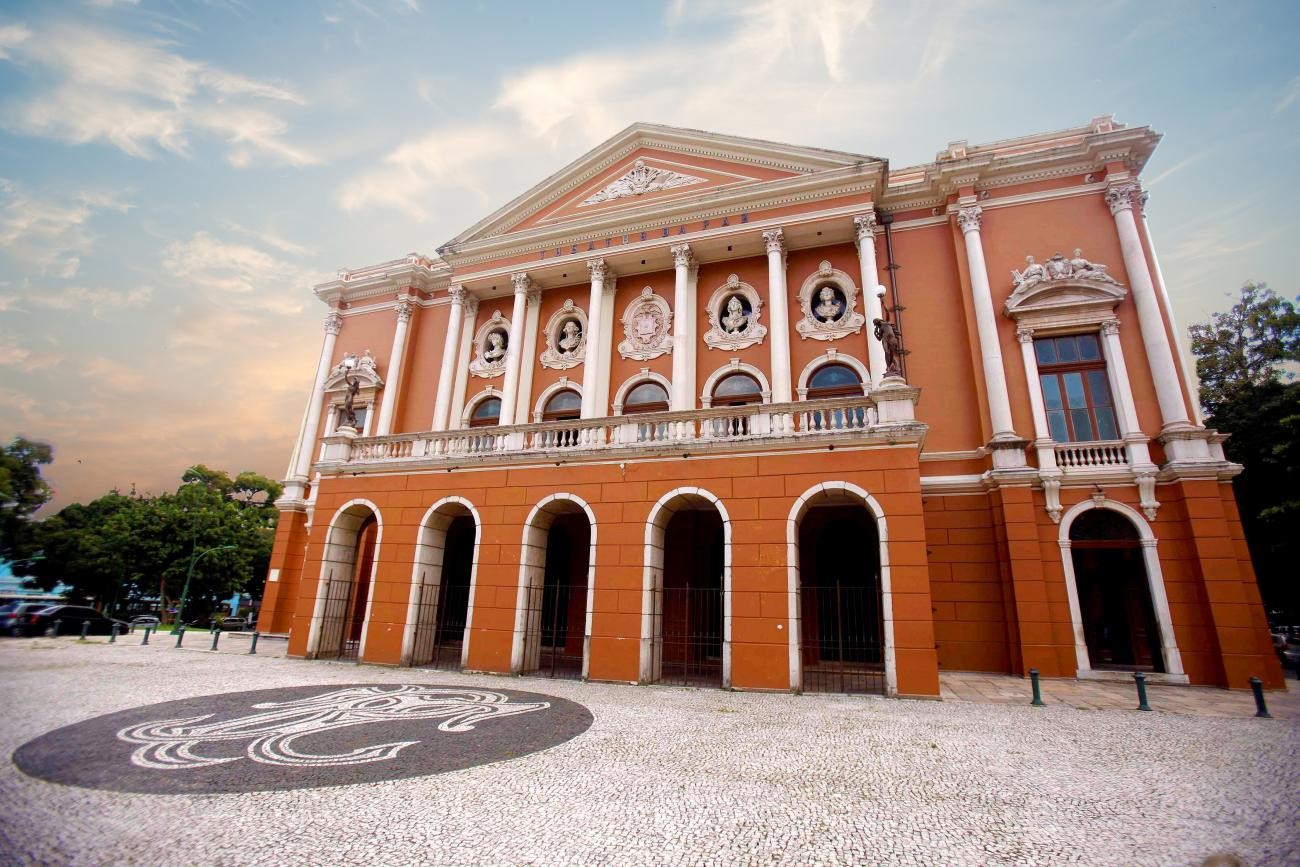
The Teatro Amazonas in Manaus and the Theatro da Paz in Belém have been officially recognized by UNESCO as World Cultural Heritage sites. This designation, approved by the World Heritage Committee in South Korea, marks the first time cultural heritage from Brazil's Northern Region has received this status. The joint candidacy was submitted by Brazil's National Historical and Artistic Heritage Institute (IPHAN) in collaboration with the Ministry of Culture and the Ministry of Foreign Affairs, along with the cultural secretariats of Amazonas and Pará states. Both theaters, already protected by IPHAN since 1960, are symbolic of the 19th-century rubber boom in Northern Brazil. The Theatro da Paz was inaugurated in 1878, and the Teatro Amazonas in 1896, representing a shared vision of urban modernization and integrating the Amazon region into global commercial and cultural networks. They were among the earliest major opera houses in the Americas, attracting European companies and showcasing a unique aesthetic blending imported influences with local Amazonian materials and motifs. Initially conceived by an elite influenced by the Belle Époque and built by local laborers, these theaters have evolved beyond their original purpose. They now host a diverse range of cultural expressions, from traditional Brazilian folk performances to jazz and cinema, fostering artistic development and tourism. These architectural landmarks, alongside their surrounding public squares, are considered civic and cultural anchors for their respective cities. With this inscription, Brazil now boasts 26 UNESCO World Heritage sites, comprising 16 cultural, nine natural, and one mixed site.
The UNESCO designation for the Amazonian theaters highlights the global significance of cultural preservation and the enduring impact of historical economic cycles on architectural and artistic development. This recognition underscores the importance of these structures not just as artistic venues but as tangible links to Brazil's complex past, particularly the era of rubber extraction. The joint nomination process, involving multiple governmental and state bodies, demonstrates a coordinated approach to cultural diplomacy and heritage management. Looking ahead, the challenge will be to ensure that this World Heritage status translates into sustainable funding for ongoing conservation, protection against environmental factors, and continued cultural programming that respects both historical integrity and contemporary community needs. This ensures these sites remain dynamic cultural centers rather than static historical exhibits, contributing to regional identity and economic vitality in the long term.
AI-generated to prompt reflection — not editorial opinion, not advice, not a statement of fact. How this works.