Amazonas Appoints Brazil's First Transgender Public Prosecutor
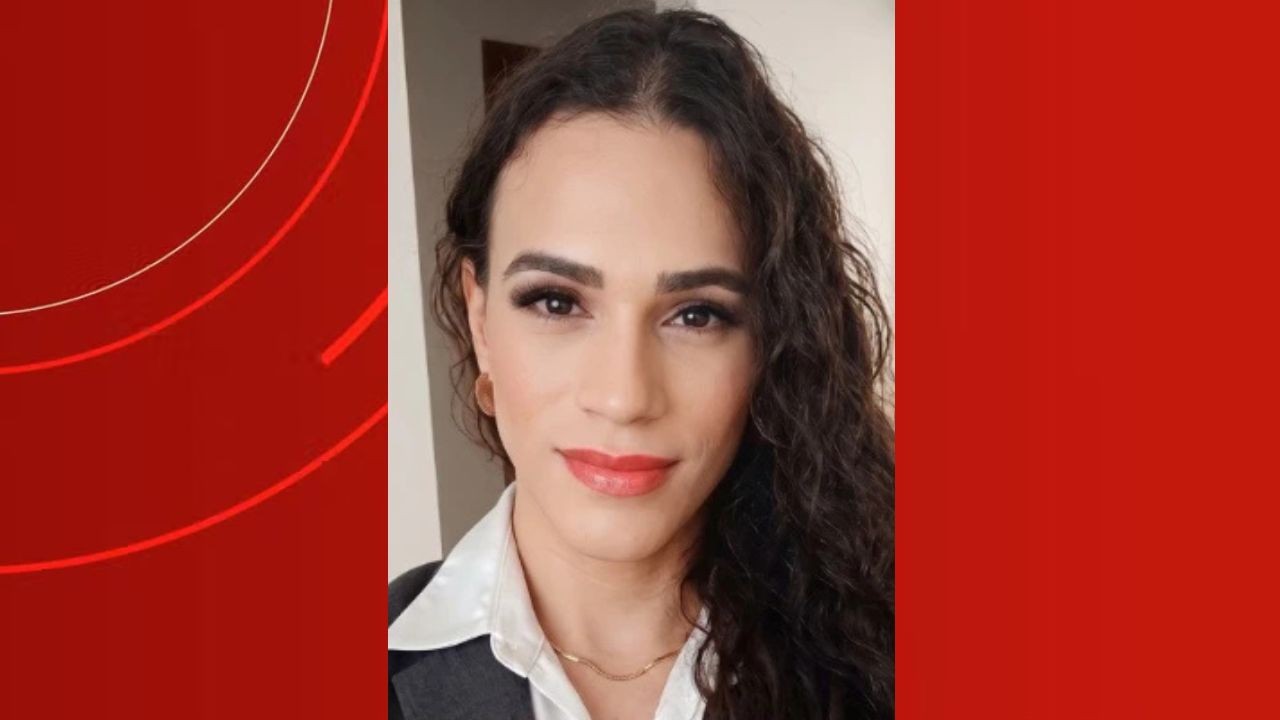
The Public Prosecutor's Office of the State of Amazonas (MPAM) has appointed Fabi Diniz de Queiroz Pilate as Brazil's first transgender public prosecutor. The ceremony took place on Friday, October 31st, at 5 PM at the Attorney General's Office in Manaus. Pilate will join five other prosecutors who passed a public examination, with their appointments aimed at strengthening the institution's presence and service capacity in the state. Pilate stated that her appointment transcends personal achievement, symbolizing the journey of a segment of the population historically marginalized from basic citizenship rights. She highlighted that her role draws attention to the realities and violence faced by transgender individuals in Brazil. The MPAM views her selection as a milestone for the institution and the Brazilian justice system, enhancing representation within the Public Prosecutor's Office and aligning with constitutional principles. Pilate emphasized that a diverse composition within democratic institutions, including the Public Prosecutor's Office, fortifies their ability to represent the society they serve. She intends to be recognized for her technical rigor, functional independence, and commitment to the legal order, asserting that her career will encompass a broad range of legal matters beyond issues specifically concerning the transgender community. The swearing-in ceremony was led by the Attorney General, Leda Mara Nascimento Albuquerque, and attended by MP members, authorities, and family.
The appointment of Brazil's first transgender public prosecutor in Amazonas represents a significant step toward institutional diversity and representation within the judiciary. This event challenges historical marginalization and underscores the evolving understanding of constitutional principles in reflecting societal plurality. The prosecutor's stated commitment to professional excellence and broad legal mandate, rather than solely focusing on identity-specific issues, suggests a nuanced approach to public service. This development prompts consideration of how other public institutions can foster greater inclusivity, ensuring that their composition mirrors the diverse populations they serve, thereby strengthening democratic legitimacy and public trust. The long-term impact will depend on sustained efforts to dismantle systemic barriers and promote equitable access to all levels of public service.
AI-generated to prompt reflection — not editorial opinion, not advice, not a statement of fact. How this works.