Amazonas Court Overturns Rule Requiring Police Authorization for Press Interviews
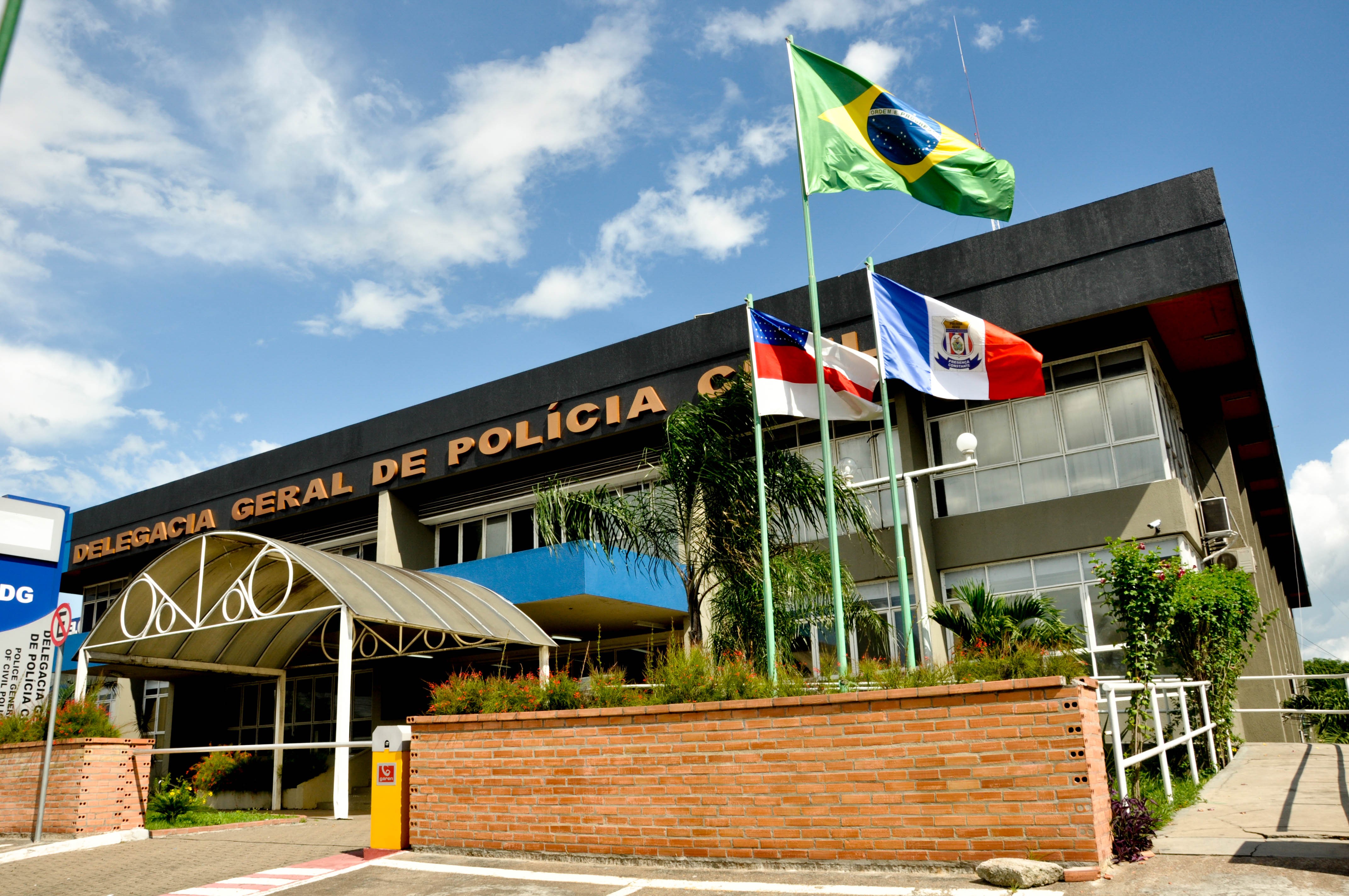
A court in Amazonas, Brazil, has annulled key provisions of a Civil Police ordinance that mandated prior authorization for delegates and investigators to give interviews or share information with the press. The decision, issued on May 25, 2026, by Judge Leoney Figliuolo Harraquian of the 2nd Public Treasury Court of Manaus, was in response to a lawsuit filed by the Professional Journalists Union of Amazonas (Sinjor/AM). The union challenged Ordinance No. 010/2025, enacted by Civil Police Chief Bruno de Paula Fraga, arguing it constituted a mechanism incompatible with the Federal Constitution and the prohibition of censorship. The judge stated that while hierarchy is essential for operational organization, it does not permit the preclusion of factual truth or the silencing of public officials. The court ruled that any potential excesses by officers should be addressed through disciplinary processes after information is disclosed, not by preventing its release. The ordinance, originally published in June 2025, had centralized information about police occurrences through the institution's communication department, requiring superior approval for direct contact between officers and journalists. The court specifically nullified sections of the ordinance that imposed this prior authorization requirement, except for cases involving investigations under judicial secrecy. A daily fine of R$5,000, capped at 20 days, was established for non-compliance. The Civil Police and the Amazonas State Government had not provided a statement to the press by the time of reporting. The Professional Journalists Union president, Wilson Reis, hailed the decision as a historic defense of press freedom, viewing the ordinance as a clear attempt at administrative prior censorship.
This judicial decision addresses the tension between institutional control of information and the public's right to know, particularly concerning law enforcement activities. By striking down the prior authorization requirement for police interviews, the court reinforces the principle that administrative hierarchies should not impede the free flow of factual information of public interest. The ruling suggests that accountability for potential misinformation or breaches of confidentiality should follow disclosure, rather than acting as a preemptive censorship mechanism. This aligns with democratic principles that value transparency and an informed citizenry, while acknowledging that specific legal protections, such as judicial secrecy, must still be upheld. The case highlights the ongoing debate regarding the balance between governmental transparency and the operational needs of security agencies.
AI-generated to prompt reflection — not editorial opinion, not advice, not a statement of fact. How this works.