Amazonas Electoral Court Tests 275 Electronic Voting Machines for 2026 Elections
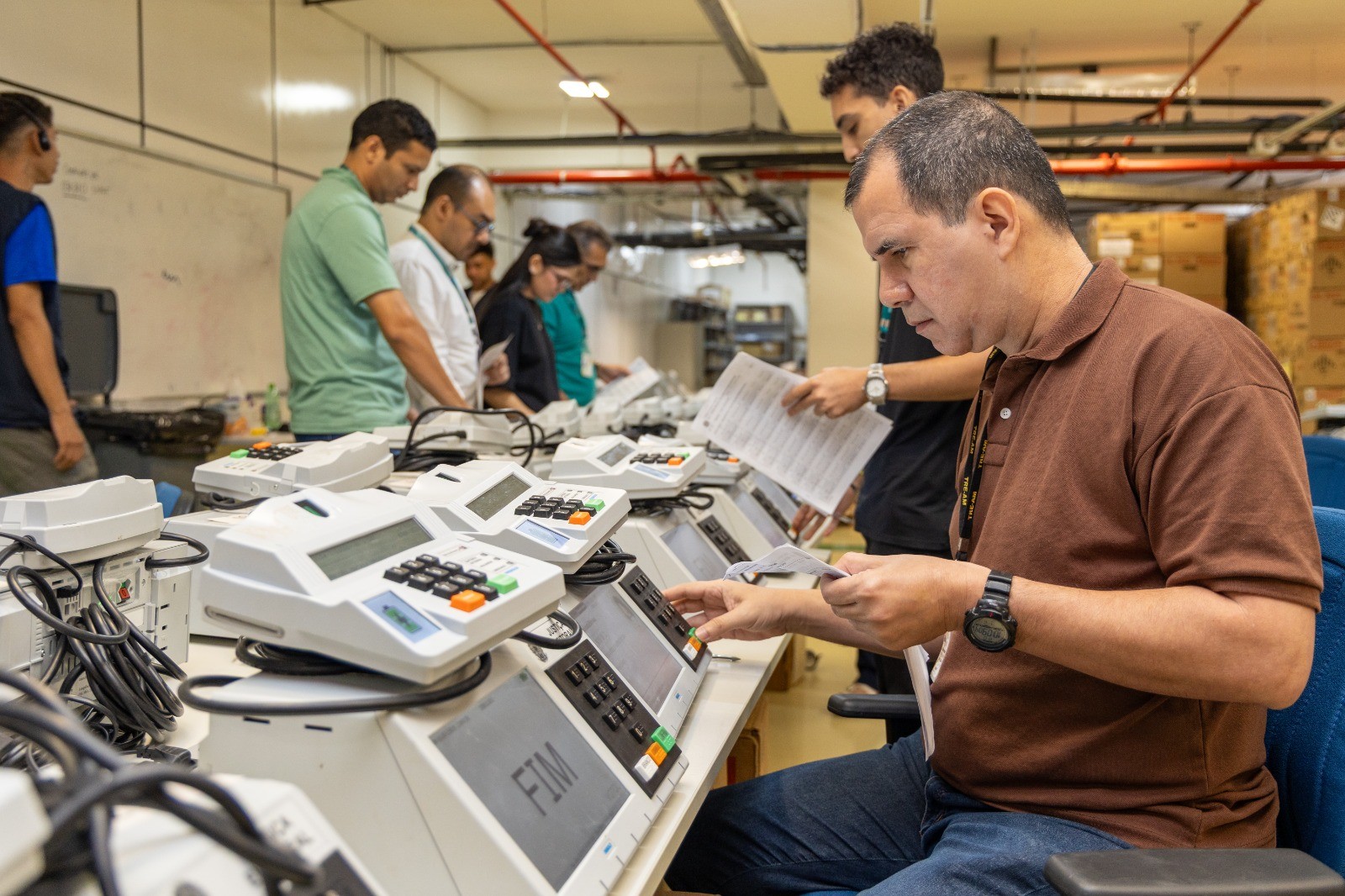
The Regional Electoral Court of Amazonas (TRE-AM) has commenced testing on 275 electronic voting machines designated for the 2026 General Elections. This initiative, running from Monday, June 6th, to Friday, June 10th, is part of the 18th National Hardware Simulation organized by the Electoral Justice system. The simulation aims to thoroughly assess the functionality of the voting equipment and associated systems prior to the official election. Daily, 55 machines will be evaluated, encompassing models manufactured in 2013, 2015, 2020, and 2022. The simulation meticulously replicates all phases of an official election, from initial machine preparation and data input to the conclusion of the simulated voting process. Key performance indicators for the equipment and the integration of the electronic voting system's components are under scrutiny. The simulated voting covers all major offices, including federal and state deputies, two senatorial seats, governor, and president. Fictitious votes are cast by Electoral Justice staff and registered volunteers who signed up in advance. Wanderley Oliveira, Coordinator of the TRE-AM's Computerized Voting Section, emphasized that the objective is to validate every procedural step before the 2026 elections, ensuring the robustness of the electronic voting infrastructure. The TRE-AM highlighted that this simulation is a crucial preparation step, identifying how the machines perform in conditions mirroring an official election, thereby enhancing the overall security and reliability of the electoral process.
The TRE-AM's simulated election exercise demonstrates a commitment to procedural validation and system integrity for the upcoming 2026 elections. By replicating official voting conditions and testing diverse machine models, the court aims to proactively identify and mitigate potential technical vulnerabilities. This practice aligns with the increasing reliance on digital infrastructure for democratic processes, underscoring the need for robust testing protocols to maintain public trust. The simulation's focus on hardware and system integration highlights the complex interplay of technology in electoral administration. Future electoral systems may benefit from further exploring decentralized verification mechanisms or advanced cryptographic techniques to bolster transparency and resilience against evolving cyber threats, ensuring the continued reliability of the vote.
AI-generated to prompt reflection — not editorial opinion, not advice, not a statement of fact. How this works.