Amazonas electric car fleet surges 150% in first half of 2026, leading Northern Brazil
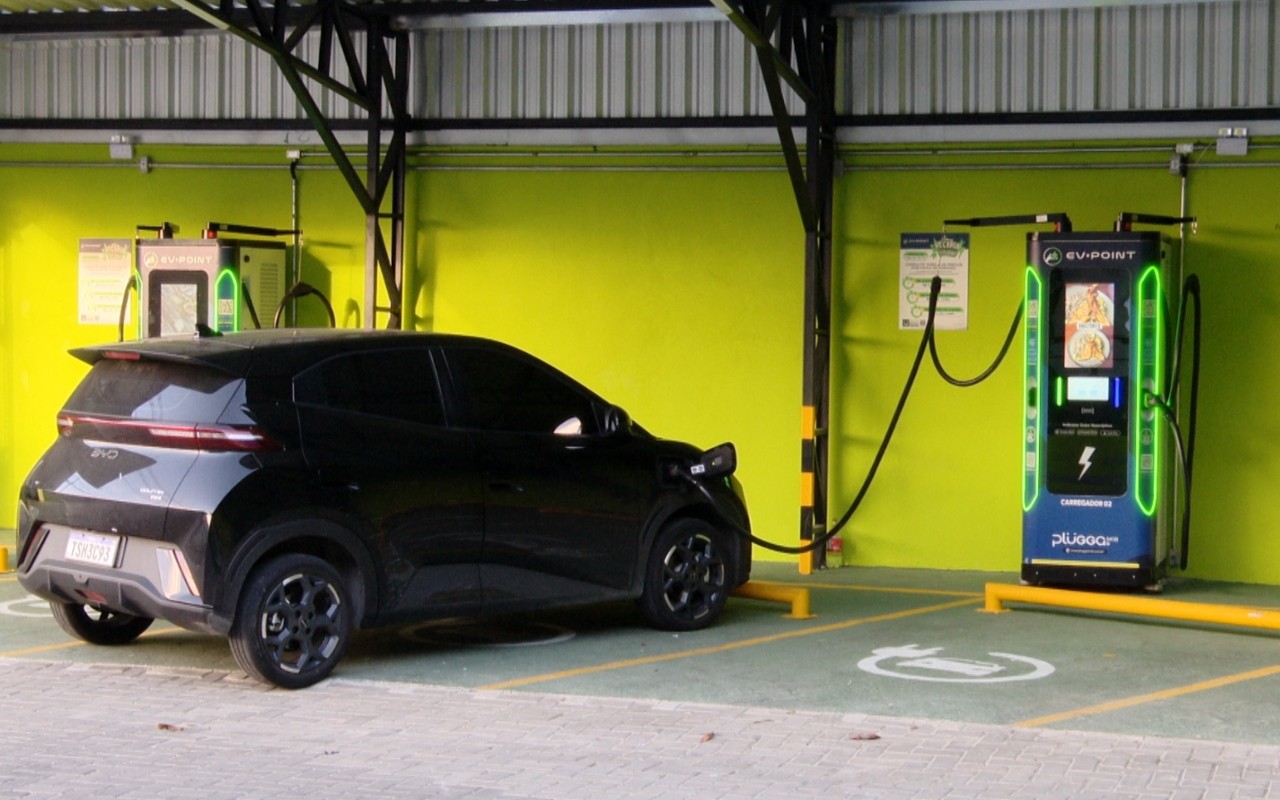
The electric vehicle fleet in Amazonas, Brazil, experienced a significant 150% growth in the first half of 2026 compared to the same period in 2025. According to the Brazilian Electric Vehicle Association (ABVE), the state's electric car count rose from 1,100 to 2,881 vehicles, establishing it as the leader in the Northern Region. This surge is primarily attributed to substantial savings on fuel and maintenance costs, making electric cars increasingly attractive to consumers and ride-sharing drivers. For instance, one driver reported saving over R$54,000 annually on fuel alone. Dealership managers confirm that the cost reduction, potentially up to R$1 per kilometer compared to combustion engine vehicles, is the main driver of demand.
This expansion, however, highlights a growing need for charging infrastructure and specialized maintenance services. While Manaus currently has 14 public charging points, efforts are underway to expand this network, particularly in the Northern and Eastern zones with high concentrations of ride-sharing drivers. Companies in the sector are working to decentralize charging stations and offer faster charging options, with some electric posts capable of charging a vehicle in about 40 minutes. Despite the advantages, experts advise potential buyers to research maintenance costs and the availability of specialized repair shops, as electric vehicles require specific care. Industry professionals anticipate continued growth, with electric and combustion engine vehicles potentially holding equal market share within a decade, alongside environmental benefits.
The rapid adoption of electric vehicles in Amazonas, driven by economic incentives and a growing charging infrastructure, reflects a broader global shift towards sustainable transportation. This trend presents a dual challenge for regional development: capitalizing on the economic benefits of a new automotive sector while ensuring equitable access to essential services like charging and maintenance. As the fleet expands, proactive urban planning and private sector investment are crucial to avoid creating new disparities, particularly for ride-sharing drivers who are key early adopters. The long-term success will depend on integrating these vehicles into the existing energy grid efficiently and developing a robust, localized supply chain for specialized repairs, ensuring that the economic gains are sustainable and widely distributed.
AI-generated to prompt reflection — not editorial opinion, not advice, not a statement of fact. How this works.