Amazonas faces below-average rain and above-average temperatures in July
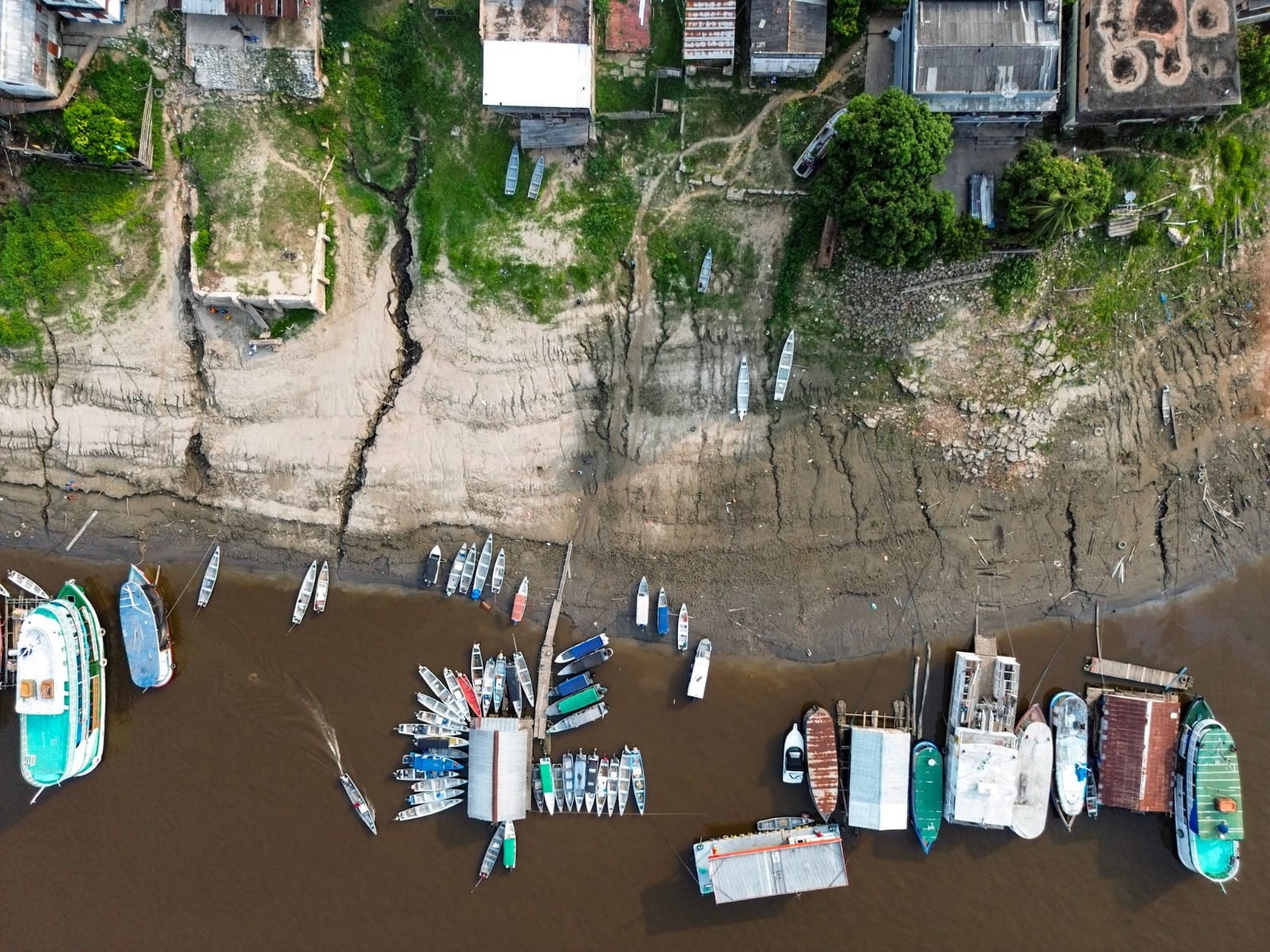
The Brazilian state of Amazonas is projected to experience below-average rainfall and higher-than-normal temperatures throughout July, according to the National Institute of Meteorology (Inmet). This forecast, released on Wednesday, July 1st, exacerbates the risk of heat outbreaks across the state, occurring amidst the consolidation of the El Niño phenomenon. Inmet predicts average temperatures will be at least 1°C above the expected norm for the period. The combination of reduced rainfall and increased heat diminishes soil moisture and water reserves, potentially impacting agricultural crops, pastures, and production systems heavily reliant on precipitation. This scenario also creates conditions more favorable for the emergence of heat foci.
Meteorologist Andrea Ramos, citing projections from the Center for Weather Forecasting and Climate Studies (CPTEC) of the National Institute for Space Research (Inpe), indicated a continued dry period in the coming months. She explained that low humidity and elevated temperatures accelerate soil moisture loss, reduce water availability for vegetation, and significantly increase the likelihood and intensity of wildfires, provided an ignition source exists. The reduced rainfall is attributed to lower atmospheric moisture, which hinders cloud formation and precipitation, while increased solar radiation drives up temperatures. Climate models suggest a greater than 90% probability of El Niño persisting until at least early 2027, with a strong possibility of a very intense El Niño between the spring and summer of 2026. For July to September 2026, predictions point to below-average rainfall in the central-north region, including the Amazon, and above-average temperatures in the second half of the year, potentially leading to heatwaves and wildfires.
This outlook follows a recent history of severe weather events in Amazonas. In 2024, the state recorded its highest number of heat foci since 1998, with 21,612 incidents counted between January 1st and September 23rd, leading to smoke affecting all 62 municipalities. The same year, Amazonas endured a severe drought, prompting all 62 municipalities to declare a state of emergency. By September 2024, over 460,000 people were impacted by the drought, according to state government data.
The forecast for Amazonas highlights the compounding effects of climate patterns like El Niño on regional weather, particularly concerning drought and fire risk. This situation underscores the vulnerability of ecosystems and agricultural systems to prolonged dry spells and elevated temperatures, especially in regions already experiencing deforestation and land-use changes. The projected persistence of El Niño into 2027 and the potential for a strong event in 2026 suggest a need for proactive, long-term adaptation strategies. These should focus on enhancing water resource management, promoting drought-resistant agriculture, and strengthening fire prevention and response mechanisms, considering the increasing frequency and intensity of extreme weather events driven by both natural climate variability and anthropogenic climate change.
AI-generated to prompt reflection — not editorial opinion, not advice, not a statement of fact. How this works.