Amazonas Fishermen Receive Over 900 Retroactive 'Seguro-Defeso' Payments
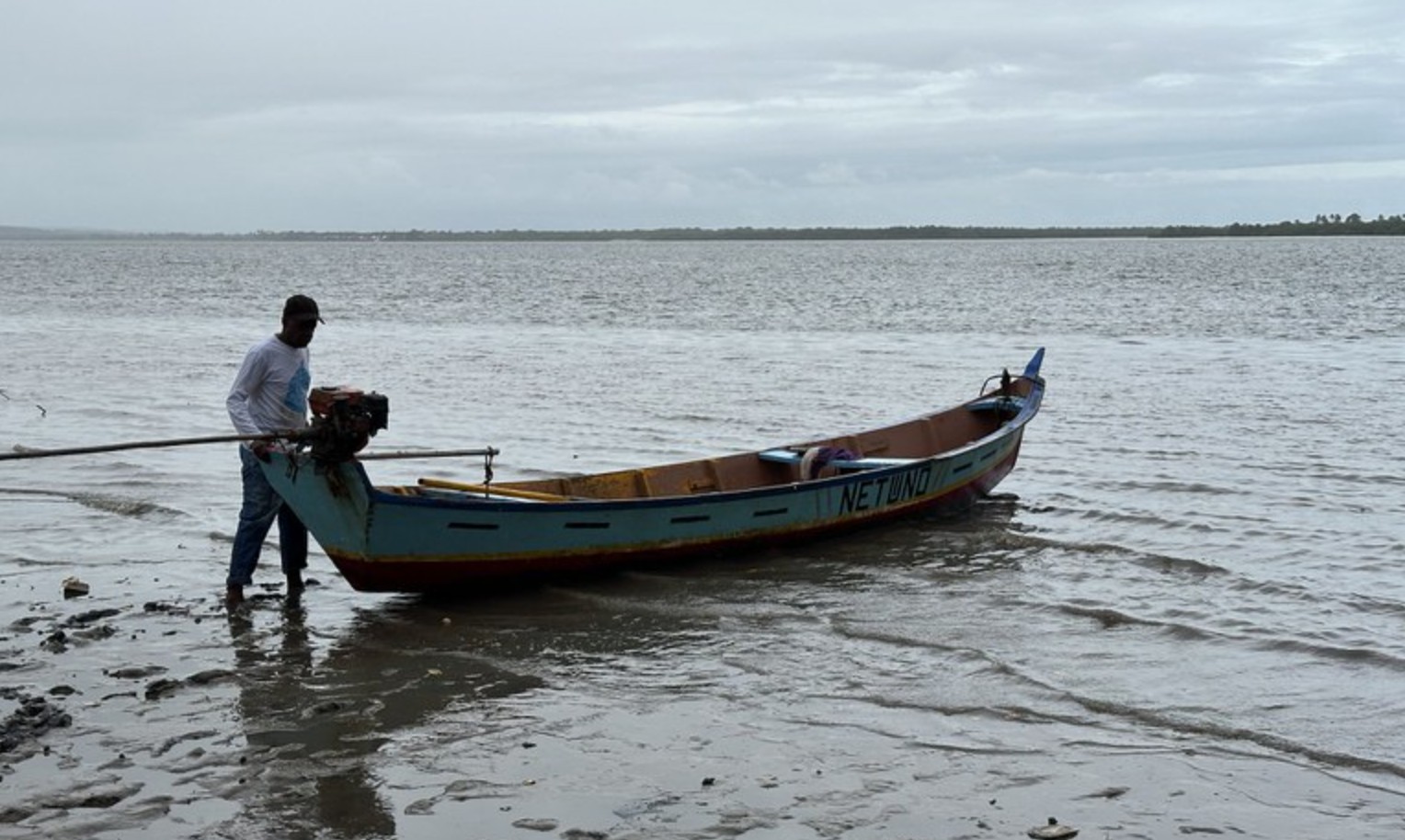
More than 900 artisanal fishermen in Amazonas, Brazil, have begun receiving retroactive payments for the 'seguro-defeso' (fishing ban insurance). This benefit is for workers whose applications were approved by the National Social Security Institute (INSS) and who were awaiting funds for periods prior to 2026. The payments, authorized by Law No. 15.399/2026, are being disbursed in a single installment. Eligibility requires fishermen to have applied for the seguro-defeso by October 2025, met all criteria, and had their request approved by the INSS. Within the Northern Region, Amazonas ranks third in beneficiary numbers with 911 individuals. Pará leads with 42,115 fishermen, followed by Amapá with 1,158. Other states in the region include Roraima (179 beneficiaries), Acre (54), Rondônia (26), and Tocantins (26). The seguro-defeso is a payment to professional artisanal fishermen who rely solely on fishing for income during periods when fishing is prohibited to ensure species reproduction. Beneficiaries can check their payment status via the Carteira de Trabalho Digital app or the Emprega Brasil portal. Those with pending applications can monitor their process through the Meu INSS website or app, or by calling Central 135.
The disbursement of retroactive 'seguro-defeso' payments to over 900 fishermen in Amazonas highlights the administrative complexities and potential delays inherent in social welfare programs. While the intention is to provide crucial income support during reproductive periods for aquatic species, the multi-year lag in payments suggests systemic inefficiencies in processing and fund allocation. This situation underscores the importance of robust technological infrastructure and streamlined bureaucratic processes within the INSS to ensure timely benefit delivery. Future policy considerations could focus on proactive rather than reactive payment systems, potentially leveraging digital platforms for real-time application verification and disbursement to mitigate such delays and ensure financial stability for vulnerable fishing communities.
AI-generated to prompt reflection — not editorial opinion, not advice, not a statement of fact. How this works.