Amazonas Government Grants Up to 100% ICMS Tax Breaks for Manaus Industrial Hub Companies
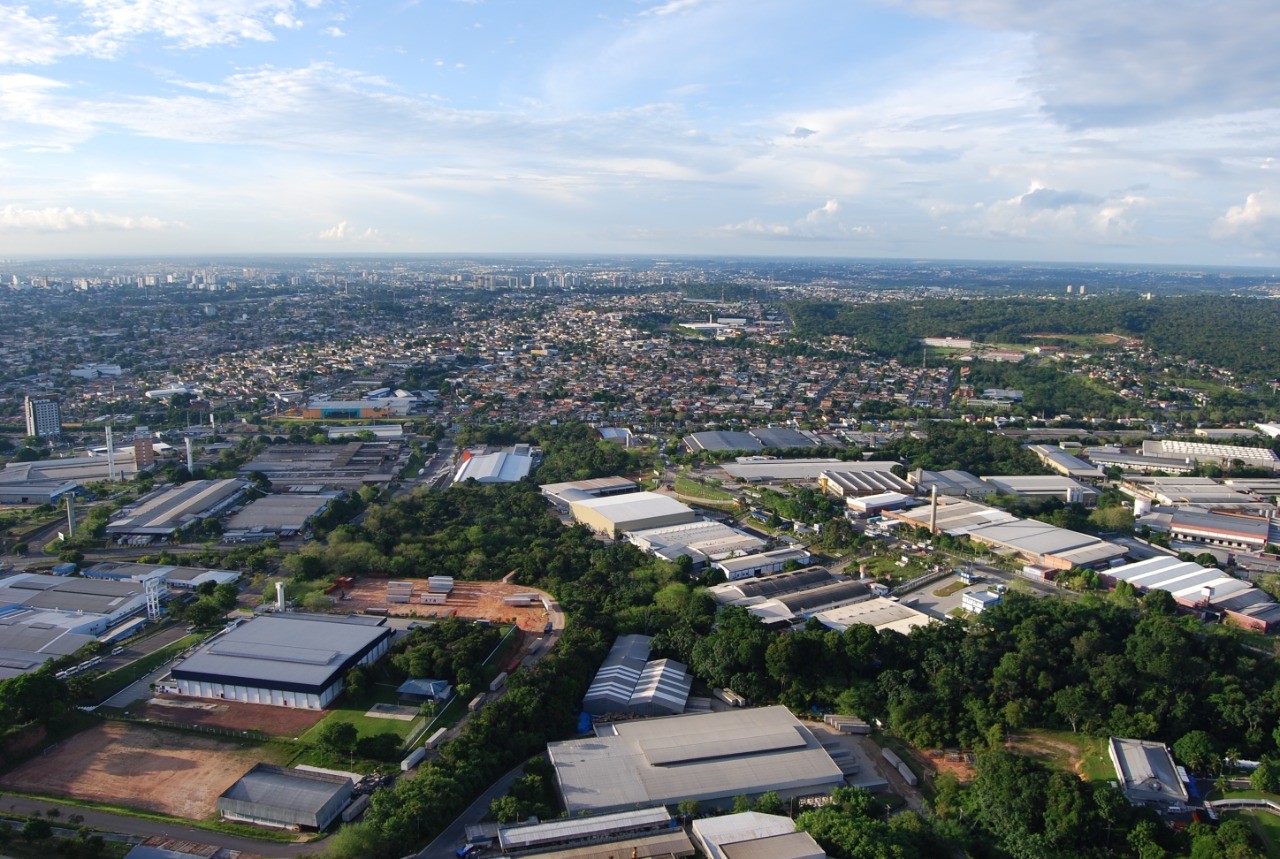
The Government of Amazonas has enacted new fiscal incentives for companies operating within the Manaus Industrial Pole (PIM), offering significant reductions on the Tax on Circulation of Goods and Services (ICMS). These measures, published in the State Official Gazette on Friday, May 10th, provide tax credits ranging from 55% to 100%, along with other fiscal advantages. The decrees, signed by Governor Roberto Cidade, will remain in effect until December 31, 2032. Beneficiary companies must adhere to technical projects approved by the State Development Council (Codam) and obtain a technical report from the State Secretariat for Economic Development, Science, Technology, and Innovation (Sedecti) to qualify for these incentives. The program targets various industrial sectors, including beverage manufacturers, electronics producers, civil construction, packaging, and plastic processing firms. Notably, Ambev S.A. received a 55% credit for producing guarana-based and other soft drinks. IE Legacy Partners Brasil received a 55% incentive for LED lighting production, while KTZ Modular obtained a 55% credit for manufacturing containers and modular housing. KTZ Construções e Estruturas was granted a 55% credit for metal structures and cement artifacts for civil construction, potentially rising to 75% for sales to sector companies. Amazon Green Indústria received a substantial 90.25% credit for wooden pallet manufacturing and also benefited from ICMS deferral. Mystic da Amazônia Indústria de Eletroeletrônicos secured incentives for induction stove production, with potential credits reaching up to 100%.
The Amazonas state government's decision to offer substantial ICMS tax credits, up to 100%, to industries within the Manaus Industrial Pole (PIM) represents a strategic effort to bolster regional industrial activity and competitiveness. By utilizing fiscal policy, the government aims to incentivize investment and production in sectors ranging from electronics to beverages and construction materials. This approach, while potentially stimulating local economies and job creation, hinges on the assumption that these tax breaks will outweigh their cost to state revenue and that the targeted industries will maintain or increase their operational footprint. The long-term efficacy will depend on the sustainability of these incentives, the ability of companies to meet performance criteria, and the broader economic conditions influencing demand for manufactured goods. Careful monitoring will be essential to ensure these incentives foster genuine, long-term industrial development rather than simply subsidizing existing operations or creating dependency.
AI-generated to prompt reflection — not editorial opinion, not advice, not a statement of fact. How this works.