Amazonas Governor Paid R$8 Million in Amendments Indicated by Himself as Former Deputy
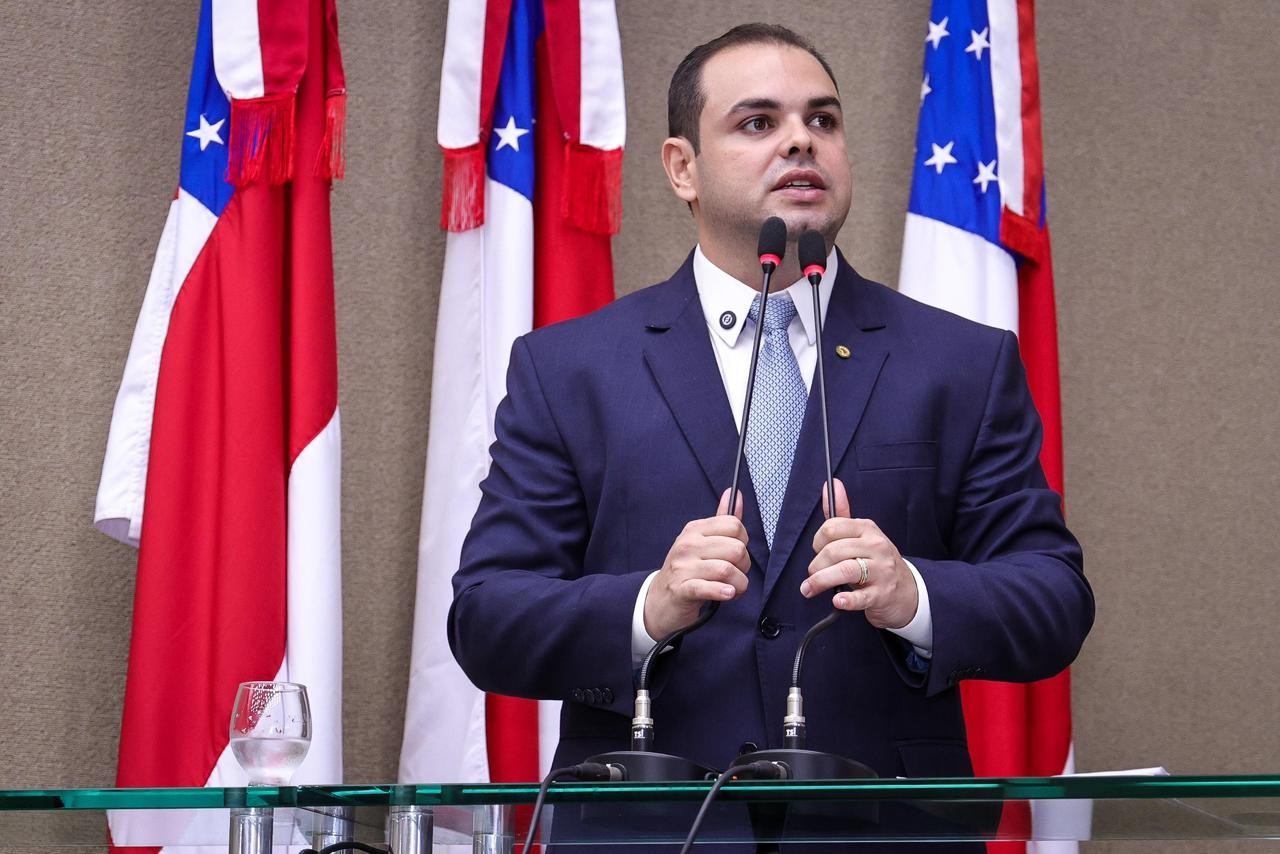
The Amazonas state government disbursed R$8 million in parliamentary amendments that were originally indicated by Governor Roberto Cidade when he served as a state deputy and president of the Legislative Assembly of Amazonas (Aleam). These payments occurred in 2026, after Cidade assumed the governorship on April 5th, following the resignations of the previous governor and vice-governor. Parliamentary amendments are funds from the state budget designated for specific projects, with deputies choosing their allocation and the government responsible for disbursement and execution. The R$8 million paid were for amendments submitted by Cidade before he became governor, but the funds were released during his current administration. The Amazonas government stated that executing parliamentary amendments is a constitutional obligation, with mandatory minimum percentages of net revenue allocated for these transfers. These funds were drawn from a technical reserve specifically for mandatory parliamentary amendments, as established in the annual budget law, and not from the state's contingency reserve. Legal experts confirm there is no legal impediment to this payment, as budget execution falls under the executive branch's purview. The primary concern for oversight bodies is the proper application of public funds, ensuring they are used for their intended purposes, such as financing health services. As of the reporting date, the Amazonas government had paid over R$165.7 million in parliamentary amendments in 2026, with another R$186 million committed. Governor Cidade's own amendments accounted for R$8 million of these payments, with other significant amounts going to deputies from his party, União Brasil, and one from MDB.
The disbursement of R$8 million in parliamentary amendments by the Amazonas government, initiated by Governor Roberto Cidade during his tenure as a state deputy, highlights the intersection of legislative intent and executive execution. While the government asserts adherence to constitutional obligations and budgetary procedures, the timing of these payments post-assumption of the governorship warrants scrutiny regarding potential conflicts of interest or the perception thereof. The legal framework permits such disbursements, emphasizing the executive's role in budget execution, but the core principle of public trust necessitates rigorous oversight of fund utilization to ensure alignment with public interest and prevent any appearance of impropriety. Future governance models might benefit from enhanced transparency mechanisms or independent review processes for amendments initiated by individuals who later assume executive power, thereby reinforcing accountability and public confidence in resource allocation.
AI-generated to prompt reflection — not editorial opinion, not advice, not a statement of fact. How this works.