Amazonas leads Indigenous Lands threatened by deforestation, Imazon report finds
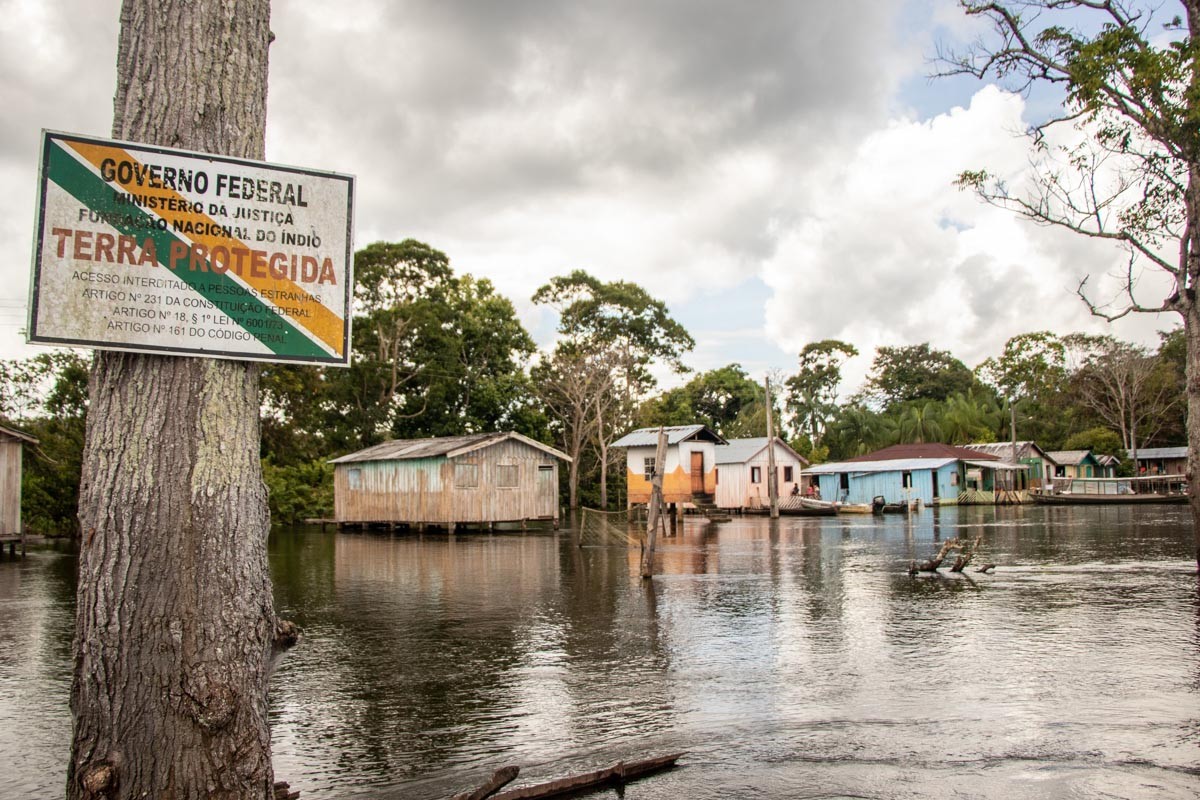
The state of Amazonas has emerged as the region with the highest number of Indigenous Lands (TIs) facing significant deforestation pressure in the second quarter of 2026, according to a report by the Institute of Man and the Amazon Environment (Imazon). The report, titled "Threat and Deforestation Pressure in Protected Areas," highlights that Amazonas not only contains part of the Yanomami TI, which has been the most pressured since the beginning of the year, but also includes three other Indigenous Lands among the ten most affected: Pirahã TI, Rio Biá TI, and Coatá-Laranjal TI. Imazon defines pressured territories as those experiencing vegetation clearing within their boundaries, while threatened territories are those affected by deforestation in their vicinity, within a 10 km radius.
Beyond Indigenous Lands, Amazonas also ranks high for other protected areas under threat. The Iquiri National Forest (Flona), located in southern Amazonas, is the second most threatened protected area in the entire Legal Amazon, surpassed only by Resex Chico Mendes in Acre. The Mapinguari National Park (Parna), spanning Amazonas and Rondônia, ranks fifth. Furthermore, four Indigenous Lands in Amazonas are under external threat from surrounding deforestation: Caititu TI (5th), Jacareúba/Katawixi TI (7th), Peneri/Tacaquiri TI (8th), and Água Preta/Inari TI (9th).
While Amazonas shows significant pressure on Indigenous territories, Pará state leads the overall index for the most pressured and threatened protected areas, with APA Triunfo do Xingu in the top position for the fifth consecutive year. Researchers emphasize that the persistent alerts in protected areas signal an urgent need for strengthened monitoring and intensified enforcement by oversight bodies to protect forest integrity and the livelihoods of indigenous communities.
The persistent deforestation pressure on Indigenous Lands and protected areas in the Amazon, as documented by Imazon, underscores a critical governance challenge. The report's findings highlight a systemic issue where economic activities, likely driven by agricultural expansion, illegal logging, and mining, continue to encroach upon legally recognized territories. This situation creates a direct conflict between conservation mandates and development pressures, potentially undermining the rights and traditional livelihoods of indigenous populations. The data suggests that current enforcement and monitoring mechanisms may be insufficient to deter these activities, pointing to a need for integrated strategies that combine robust surveillance with sustainable economic alternatives for local communities and stricter penalties for illegal deforestation. Looking ahead, the escalating climate crisis and the increasing global demand for resources will likely intensify these pressures, making proactive and adaptive management of protected areas paramount for long-term ecological and social stability in the region.
AI-generated to prompt reflection — not editorial opinion, not advice, not a statement of fact. How this works.