Amazonas Legislative Assembly Calls First 29 Candidates for Public Service Roles
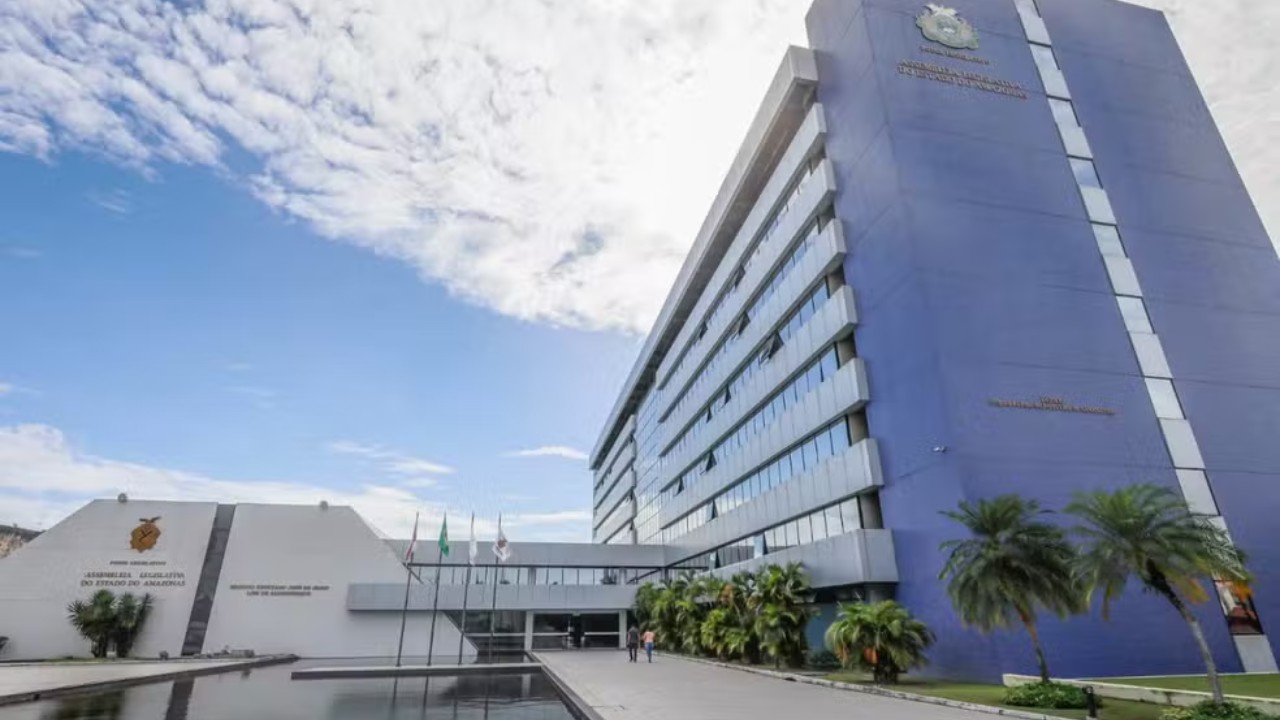
The Legislative Assembly of Amazonas (Aleam) has released its first list of 29 candidates called to fill public service positions following a 2025 public examination. These individuals, who passed exams for both mid-level and higher-level roles, are now required to submit documentation to Aleam's Human Resources Department to begin the hiring process. The list includes candidates from general competition and those qualifying under the disability quota (PCDs).
Following document verification, the selected candidates will undergo medical examinations. The official appointment date will be set after all documentation and medical assessments are finalized. Before assuming their duties, new employees will participate in a week-long integration program at the School of Legislation, designed to familiarize them with the Assembly's structure and operations. Further calls for candidates are anticipated from February 2027, coinciding with the implementation of Aleam's new budget.
The public examination, organized by Fundação Getulio Vargas (FGV), was held in December 2025 and approved 363 positions, with 100 for immediate hiring and 263 for a reserve list. This examination marked the first public selection process at the Assembly in 14 years.
The release of the first candidate list by the Amazonas Legislative Assembly (Aleam) signifies progress in filling public service roles after a significant hiatus. This process, involving rigorous examination and subsequent documentation and medical checks, aims to ensure qualified individuals are appointed. The multi-stage selection and onboarding process, including integration training, reflects a structured approach to public administration. Future convocations are tied to the budgetary cycle, highlighting the interplay between legislative planning and operational capacity. The long gap between examinations underscores the challenges public institutions face in maintaining consistent recruitment pipelines, potentially impacting institutional memory and operational efficiency over time.
AI-generated to prompt reflection — not editorial opinion, not advice, not a statement of fact. How this works.