Amazonas Legislative Assembly to Elect New President Today
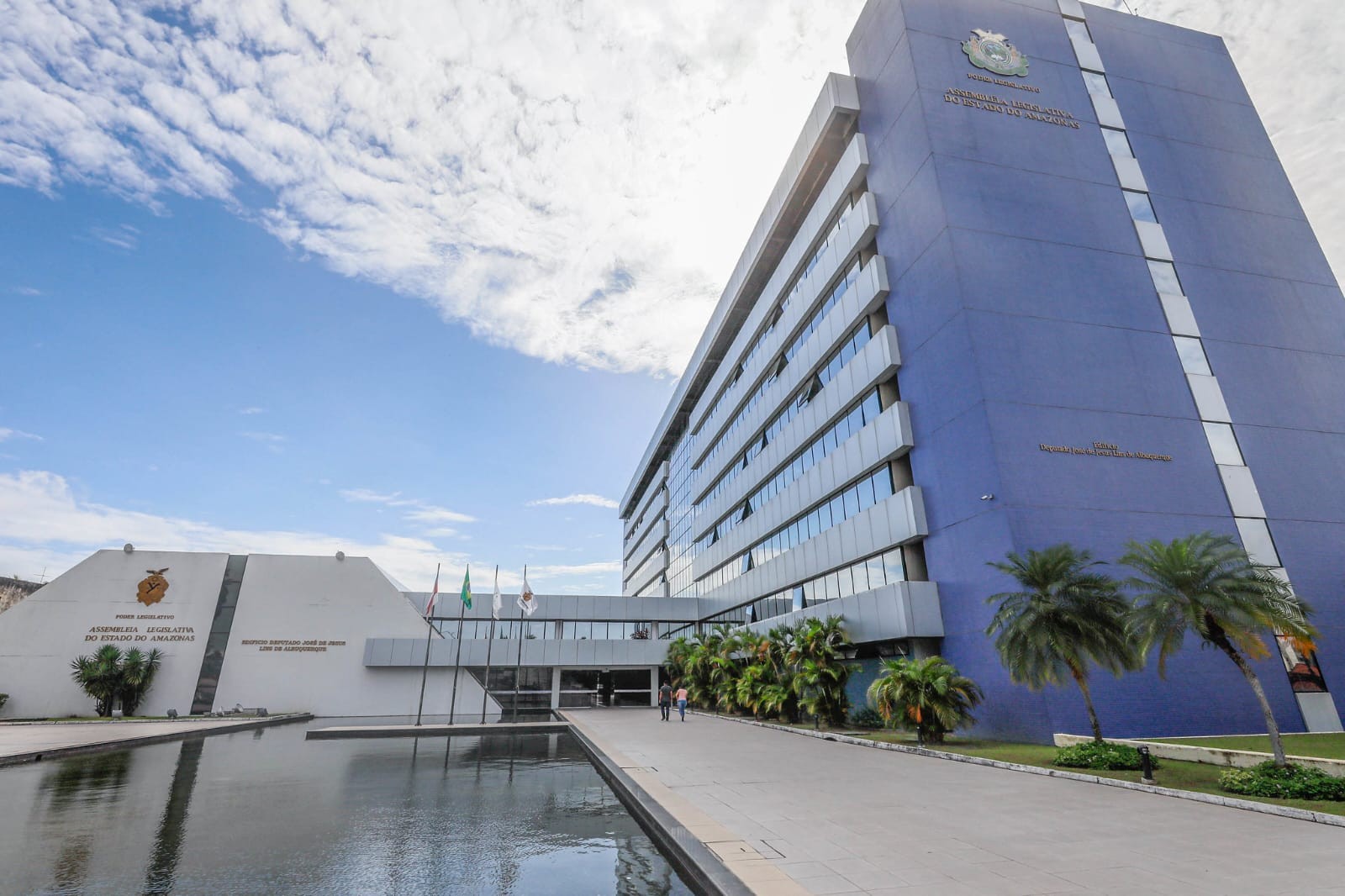
The Legislative Assembly of Amazonas (Aleam) in Brazil will hold an election on Wednesday, October 15th, at 3 PM to choose its new president. The elected official will serve until January 31, 2027. This election is being conducted following a preliminary ruling by Minister Flávio Dino of the Supreme Federal Court (STF). The STF's decision overturned a previous rule that allowed the automatic assumption of the presidency by the 1st vice-president in case of a vacancy. The position became vacant when Roberto Cidade, the former president, took over as the Governor of Amazonas, following the resignations of Governor Wilson Lima and Vice-Governor Tadeu de Souza. Minister Dino's ruling in response to Direct Action of Unconstitutionality (ADI) 7984/AM mandates that the successor must be chosen through a plenary vote. According to Aleam's Director-General, Wander Motta, all 24 state deputies are eligible to run, and candidacies can be registered until 3 PM. The election requires the presence of an absolute majority of deputies, and the winner will be determined by a simple majority vote. In the event of a tie, the oldest deputy will prevail. The voting process will be open and nominal, with candidates announced shortly before the vote, which can be conducted orally or via the electronic panel. The Aleam's Board of Directors includes a President, Vice-Presidents, Secretaries, Ombudsman, and Corregidor, with internal rules aiming for party proportionality and female representation.
This event highlights the dynamic nature of legislative leadership transitions, influenced by judicial oversight and internal procedural rules. The STF's intervention underscores the importance of transparent electoral processes within legislative bodies, particularly in ensuring that leadership changes are determined by a representative vote rather than automatic succession. The requirement for open, nominal voting and the tie-breaking mechanism based on age reflect attempts to balance procedural fairness with the need for decisive outcomes. Future leadership compositions within Aleam will likely continue to navigate the interplay between party politics, proportionality mandates, and the STF's precedent, shaping governance dynamics in Amazonas over the next decade.
AI-generated to prompt reflection — not editorial opinion, not advice, not a statement of fact. How this works.