Amazonas Legislative Assembly to Hold New Presidential Election on July 15
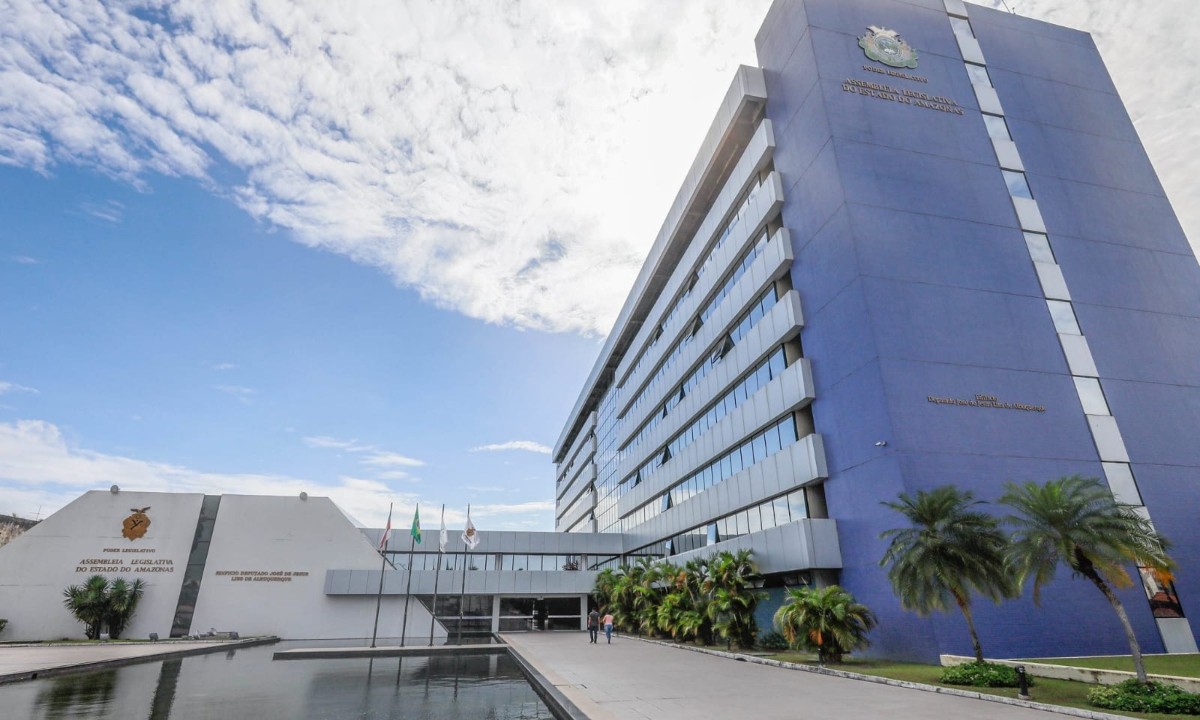
The Legislative Assembly of Amazonas (Aleam) has scheduled an extraordinary session for Wednesday, July 15, at 3 PM to elect a new president. This election is in response to a preliminary ruling by Minister Flávio Dino of the Supreme Federal Court (STF). The STF suspended a rule in the internal regulations that allowed for the automatic assumption of the presidency by the 1st vice-president in case of vacancy. Minister Dino determined that a definitive succession must occur through an election by the parliamentarians. The acting president of Aleam, Deputy Adjuto Afonso, published the notice for this extraordinary session, which will take place in the Ruy Araújo Plenary. The STF's decision stems from the Direct Action of Unconstitutionality (ADI) 7984/AM, where the Attorney General's Office questioned the constitutionality of the automatic succession rule. The vacancy arose after the former president, Roberto Cidade, left to assume the governorship of Amazonas following the resignations of the governor and vice-governor. Minister Dino's ruling emphasizes that the definitive replacement of the president should be decided by the full assembly. The Aleam is now complying with the Supreme Court's order by initiating the process to choose a new president through this supplementary election for the residual mandate.
The Supreme Federal Court's intervention in the Amazonas Legislative Assembly's internal succession process highlights a recurring tension between legislative autonomy and constitutional principles. By mandating a new election rather than allowing automatic succession, the STF asserts the supremacy of direct parliamentary choice in filling leadership vacancies, particularly for significant mandates. This decision could influence how other legislative bodies interpret and apply their internal rules regarding presidential succession, potentially favoring more democratic and representative selection mechanisms over automatic transitions. The ruling underscores the judiciary's role in ensuring that governance structures remain aligned with democratic ideals, even within the specific procedural frameworks of legislative branches. Future implications may involve a closer examination of parliamentary regulations nationwide to ensure they promote transparency and broad participation in leadership selection.
AI-generated to prompt reflection — not editorial opinion, not advice, not a statement of fact. How this works.