Amazonas Police Seize Over 6 Tons of Drugs in First Half of 2026
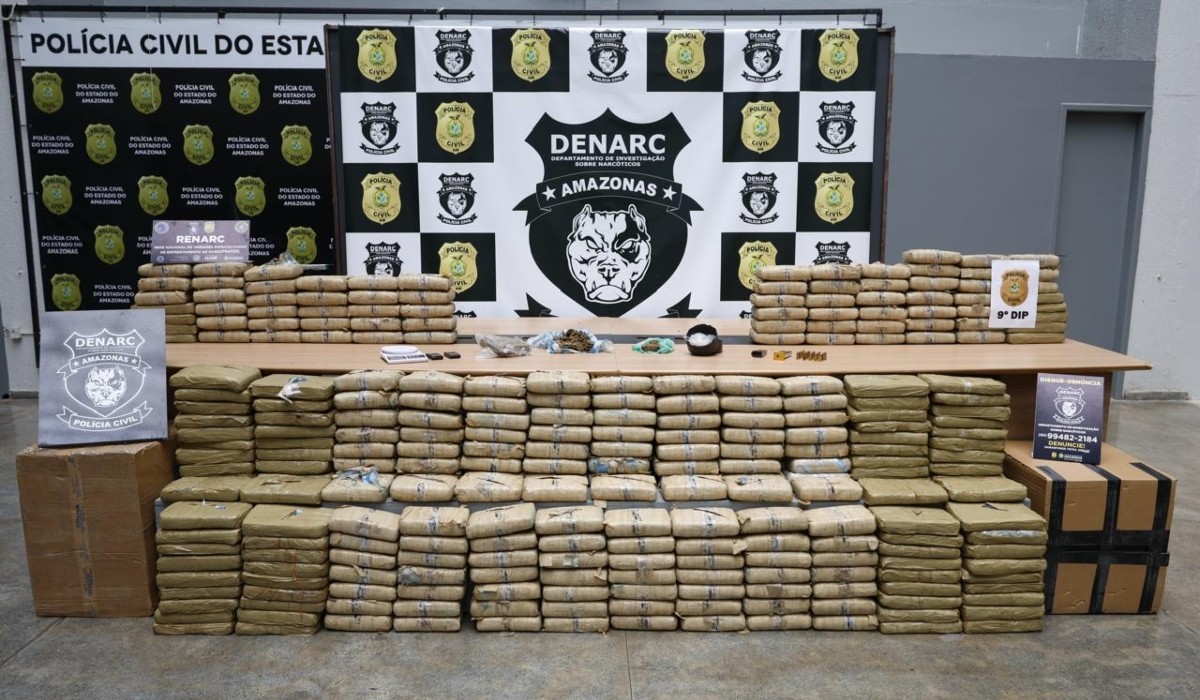
The Civil Police of Amazonas, Brazil, confiscated more than six tons of illicit drugs during the first six months of 2026. This significant seizure represents a substantial financial blow to criminal organizations involved in drug trafficking within the state. The successful operations were the result of integrated investigations and intelligence efforts aimed at intensifying the fight against drug trafficking and organized crime throughout Amazonas. Delegate-General Bruno Fraga highlighted that these seizures deliver a severe financial impact to criminal factions and underscore the Civil Police's dedication to combating narcoterrorism. In February, the Narcotic Investigation Department (Denarc), with support from the Special Operations and Resources Coordination (Core-AM), seized one ton of skunk marijuana, valued at R$ 19 million. Three men, aged 26, 44, and 48, were arrested in connection with this operation. Police identified the group's leader as a 48-year-old man, a Colombian national with Brazilian citizenship, accused of transporting drugs via the Negro River. Subsequently, in March, the Organized Crime Repression Department (DRCO), aided by Core-AM and the Riverine Police (Deflu), confiscated 4.5 tons of skunk, estimated to be worth R$ 86 million. One man was apprehended during this bust, and authorities also seized a barge, a pusher boat, and two smaller boats used for drug transportation.
The reported drug seizures in Amazonas highlight the ongoing challenges of combating organized crime and narcoterrorism in the region. These large-scale confiscations, while demonstrating law enforcement efficacy, also point to the persistent flow of illicit substances and the significant financial resources available to criminal networks. The operations underscore the importance of inter-agency cooperation and intelligence-led policing. From a systemic perspective, the sheer volume of drugs intercepted suggests that supply chain disruptions, while impactful, are likely temporary, as criminal organizations adapt their methods. Future efforts may need to address not only interdiction but also the underlying economic drivers and demand for these substances, considering the long-term societal implications in the digital age.
AI-generated to prompt reflection — not editorial opinion, not advice, not a statement of fact. How this works.