Amazonas Prison System Still Overcrowded Seven Years After Deadly Massacre
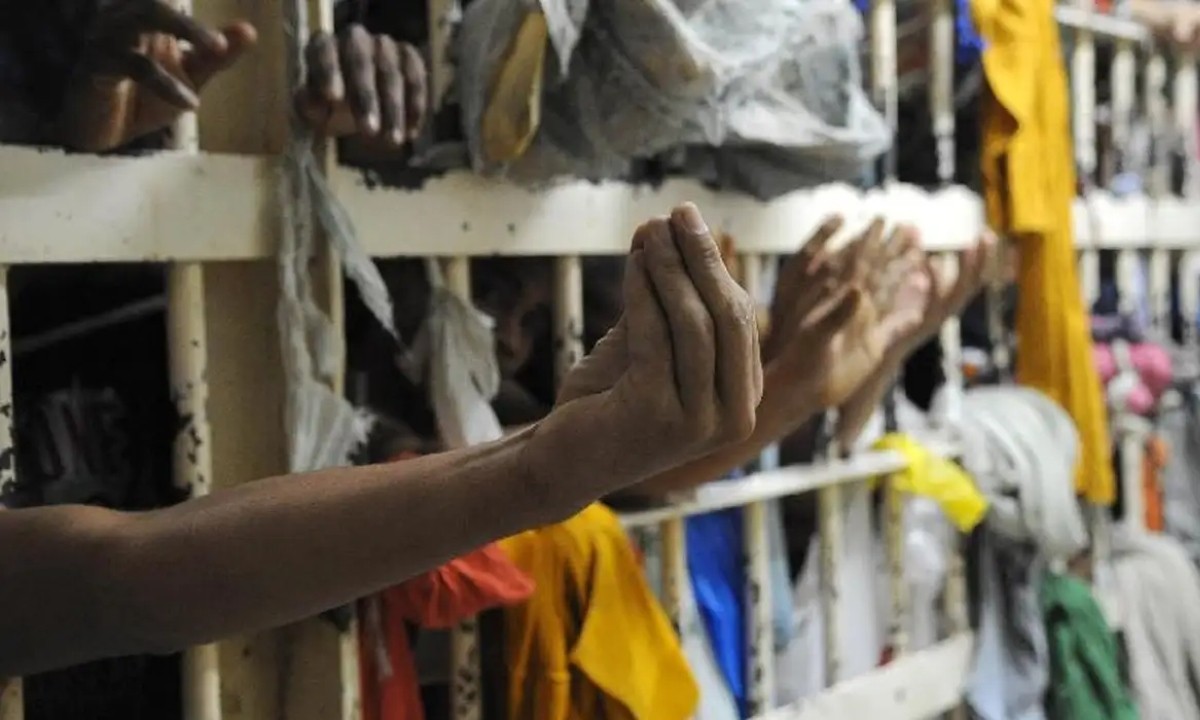
Seven years after a massacre that claimed the lives of 56 inmates in Amazonas, Brazil, the state's prison system continues to grapple with severe overcrowding, structural deficiencies, and human rights violations. A recent survey by the Public Prosecutor's Office of Amazonas (MPAM) revealed that 42 out of 62 inspected correctional facilities and police stations in the interior regions are overcrowded. For victims' families, like Deusanete de Oliveira da Silva, the passage of time has done little to heal the pain of losing her son, Rodrigo, who died during the 2019 massacre just days before his scheduled release. The massacre, which occurred on May 26-27, 2019, and was attributed to inter-gang disputes, remains the second-deadliest prison riot in Brazil's history, with 21 legal cases still pending. Experts and former officials suggest the tragedy was preventable due to a lack of oversight and security failures. Public security specialist Goreth Rubim notes that current conditions mirror those of 2019, with cells designed for 10 inmates holding up to 25 or 30, exacerbating issues of hygiene and ventilation. The Amazonas prison system currently houses 8,581 individuals, including those awaiting trial and those already convicted. Notably, the state has 8,716 outstanding arrest warrants, exceeding the current prison population. Overcrowding is a pervasive issue, affecting facilities in Manaus and extending to 42 of 62 inspected units in the interior. The state's Secretariat of Penitentiary Administration (Seap) manages inmate transfers to balance occupancy. Concerns also extend to the penal police force, with calls for greater strengthening and improved structural conditions, including outdated equipment. Seap has stated it is collaborating with various judicial and governmental bodies to address these ongoing challenges.
The persistent overcrowding and structural issues in the Amazonas prison system, seven years after a devastating massacre, highlight systemic governance failures. The significant backlog of arrest warrants suggests an inefficiency in the broader justice system that contributes to prolonged detention and exacerbates prison conditions. The reliance on inmate transfers to manage occupancy indicates a reactive rather than proactive approach to capacity planning. Strengthening the penal police force and addressing infrastructural deficits are critical steps, but these must be integrated within a comprehensive strategy that tackles the root causes of judicial delays and the over-incarceration rates. Future policy must consider technological solutions for case management and explore alternative sentencing to alleviate pressure on the correctional infrastructure, aligning with the evolving demands of a digital society and ensuring long-term public safety and human rights.
AI-generated to prompt reflection — not editorial opinion, not advice, not a statement of fact. How this works.
