Amazonas Ranks Second in Brazil for Child Environmental and Climate Risks: UNICEF
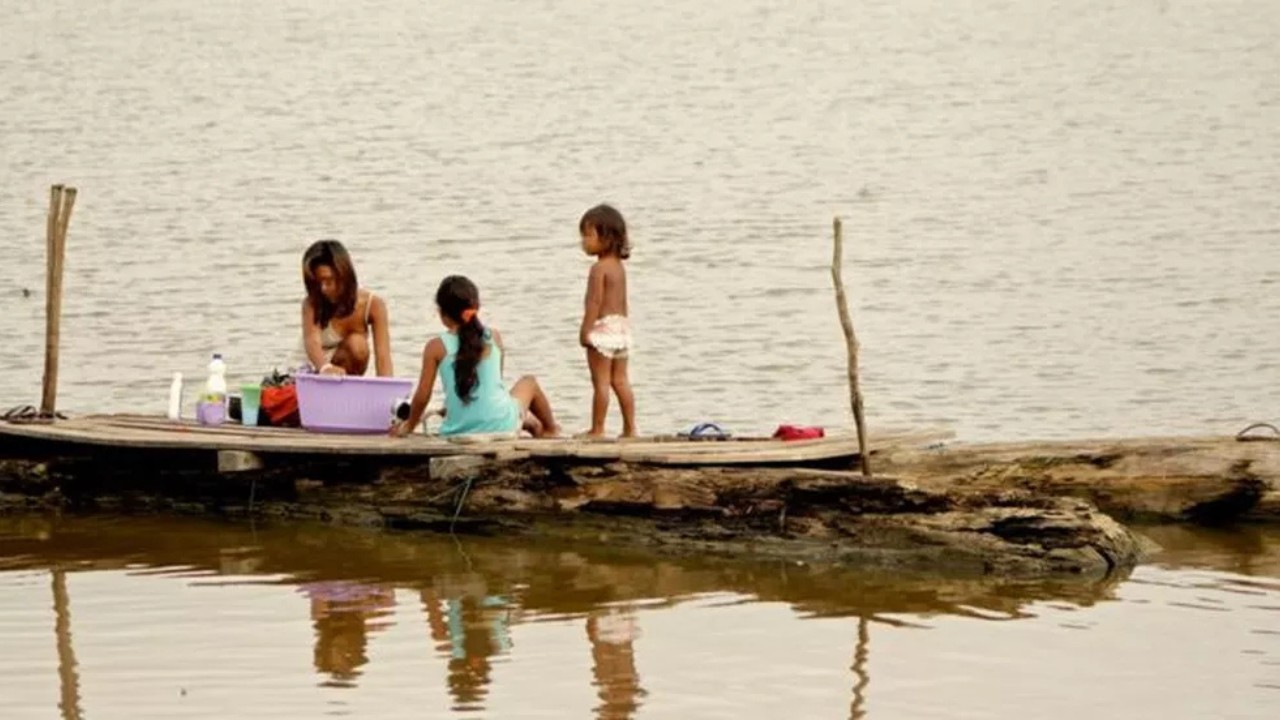
A new study by UNICEF and Vital Strategies has identified Amazonas as Brazil's second most vulnerable state to environmental and climate risks affecting children and adolescents. The "Children and Environment Dashboard" report assesses children's exposure to severe droughts, heatwaves, wildfire smoke, and inadequate basic sanitation. Amazonas trails only Pará in the national vulnerability ranking, placing both states in a maximum emergency category.
According to the findings, 42.4% of Amazonas municipalities exhibit ten or more critical alert indicators, signifying the highest level of severity. Key threats in the state's interior include extreme river level fluctuations, which disrupt school transportation and access to potable water, compounded by air pollution from seasonal fires and a persistent lack of sewage systems. These overlapping environmental and structural crises directly impact the health and development of children. In the state's interior, rapid and severe river level changes along the Negro, Solimões, and Juruá rivers isolate communities, halt school transport, interrupt water supply, and impede access to essential health services. This situation is exacerbated by air quality degradation from seasonal fires, particularly affecting southern and western municipalities and leading to increased pediatric hospitalizations for respiratory issues. The report also highlights a historical deficit in sanitation, with inadequate sewage systems exposing children to waterborne diseases.
While the interior faces severe infrastructure deficits, Manaus, the state capital, has the largest absolute number of children and adolescents at risk. Approximately 31.8% of Manaus's population, aged 0 to 17, lives under a high alert for half of the analyzed environmental indicators. Urban factors contributing to this include heat islands and unprotected schools, with half of educational facilities located in areas of high thermal stress and minimal tree cover. Air pollution and fires during the dry season accumulate over the city, increasing childhood respiratory problems. Extreme events like intense rainfall-induced flooding and population density in high-risk areas also heighten children's exposure to accidents and waterborne diseases. UNICEF emphasizes the urgent need for public policies focused on climate adaptation for children, prioritizing investments in resilient sanitation, school greening, and social protection for families impacted by extreme weather.
This UNICEF report highlights a critical intersection of environmental degradation, climate change impacts, and systemic infrastructure deficits, disproportionately affecting vulnerable child populations in Brazil's Amazonas state. The analysis reveals how cascading crises—from river fluctuations and air pollution to inadequate sanitation—create a high-risk environment for children's health and development. The findings underscore the challenge for governance in addressing these complex, overlapping issues, particularly in remote regions. Future policy must integrate climate resilience, robust sanitation infrastructure, and targeted social support to mitigate these risks. The disparity between urban and rural impacts also suggests a need for differentiated, place-based strategies that acknowledge both absolute population concentration and the severity of localized environmental pressures. Continued monitoring and adaptive management will be crucial as climate change intensifies.
AI-generated to prompt reflection — not editorial opinion, not advice, not a statement of fact. How this works.