Amazonas Sees Rise in Femicides; Majority of Victims Over 35, Knives Frequently Used
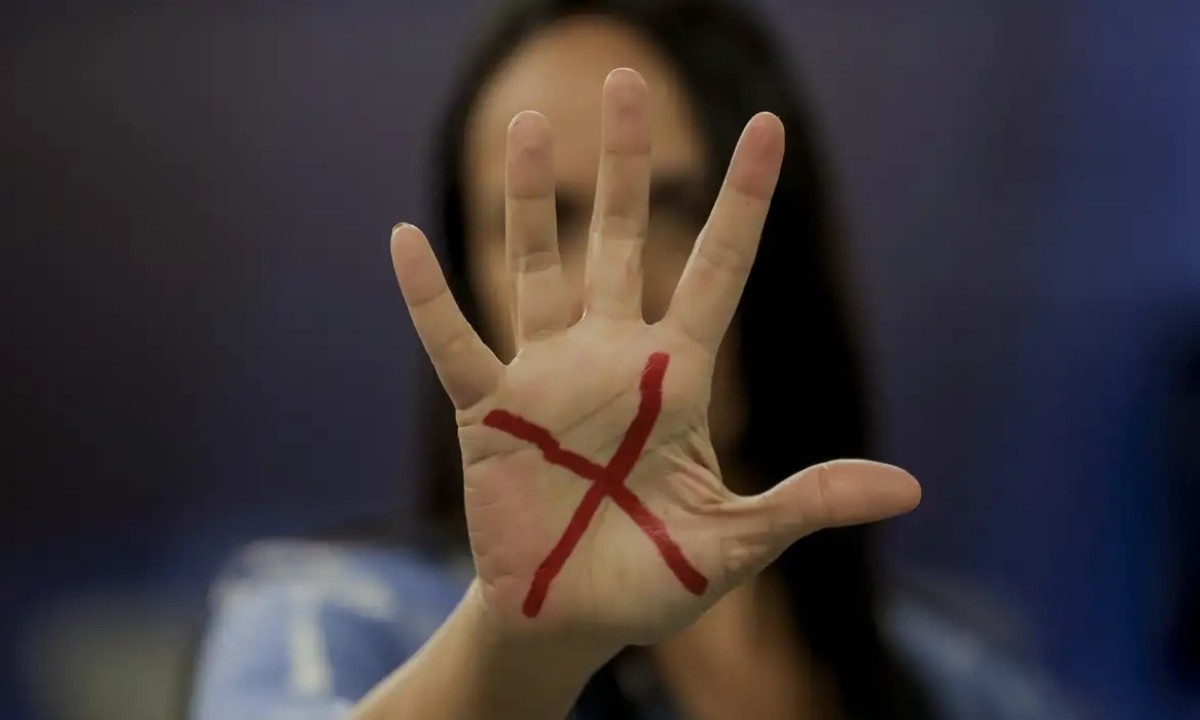
In Amazonas, Brazil, between January and May 2026, approximately 78% of femicide victims were over 35 years old. Out of nine recorded cases during this period, four involved the use of bladed weapons like knives, with two cases resulting from physical assaults. Experts note that knives are common in femicides due to their availability within the domestic environment, representing a close-range violence. There is also concern about the underreporting of femicide cases and attempts. The recorded incidents occurred across several municipalities, including Manaus, Barcelos, Carauari, Coari, Manaquiri, and São Gabriel da Cachoeira. Femicide, defined as the murder of a woman due to her gender, was specifically criminalized in Brazil in 2015. Specialists like Alessandrine Silva from the OAB-AM highlight that the use of household items such as knives reflects intense misogyny, while criminal lawyer Natividade Maia points to underreporting, particularly for attempted femicides, often due to family or community interference and women's economic dependence. The Amazonas Public Security Secretariat (SSP-AM) stated that its integrated approach, including the Ronda Maria da Penha, has prevented femicides among women under its protection. Despite an increase compared to the same period in 2025, the current numbers are projected to remain below historical peaks, with an estimated 20 femicides for the entirety of 2026, matching 2025's total.
The data from Amazonas highlights a critical public safety issue concerning gender-based violence, with a significant proportion of victims being women over 35 and the frequent use of readily available household weapons. This suggests underlying societal issues related to domestic disputes, control, and potentially economic stressors that escalate to lethal violence. The emphasis on bladed weapons points to the intimate nature of these crimes, often occurring within the home. While law enforcement efforts like the Ronda Maria da Penha are noted as effective for protected individuals, the broader trend indicates a need for deeper systemic interventions. These could include enhanced support for victims to overcome economic dependence, community-based prevention programs that address misogynistic attitudes, and improved mechanisms for reporting and addressing attempted femicides to ensure all incidents are officially recorded and addressed. The challenge lies in shifting cultural norms and providing robust safety nets that empower women to leave abusive situations before they turn fatal.
AI-generated to prompt reflection — not editorial opinion, not advice, not a statement of fact. How this works.