Amazonas State Faces More Fugitives Than Incarcerated Individuals
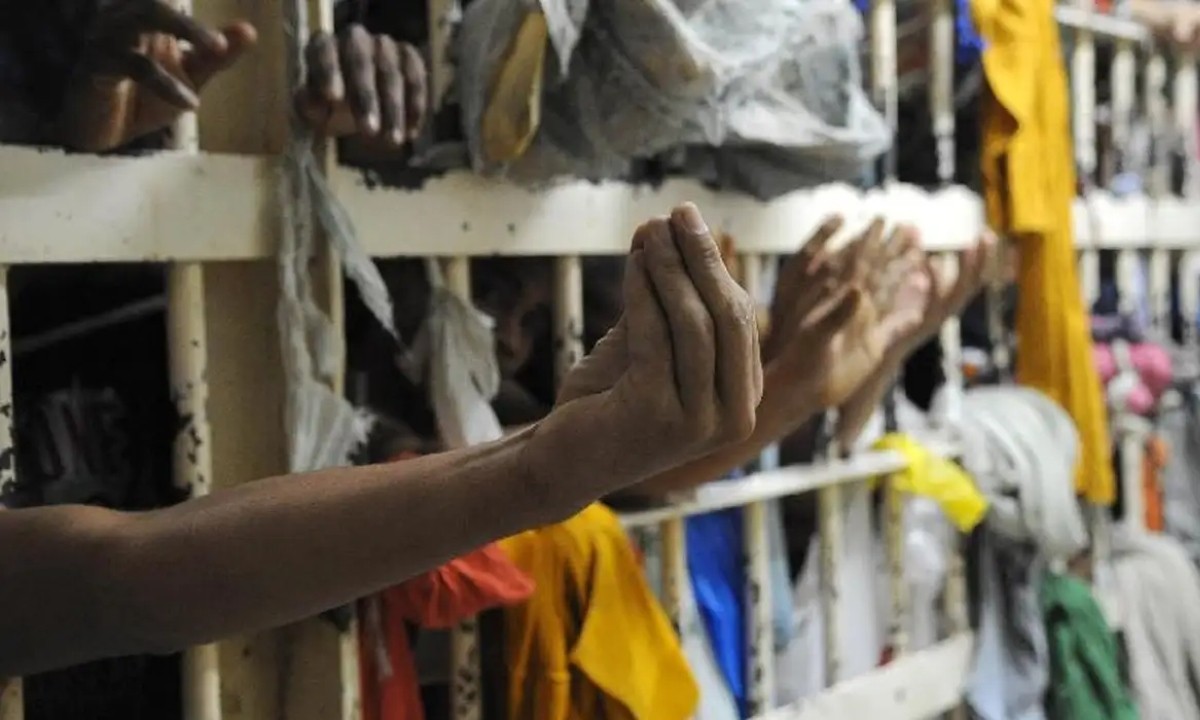
Amazonas, Brazil, has a concerning disparity where the number of individuals wanted by the justice system (8,716) exceeds the total number of people currently incarcerated (8,581), according to data from the National Council of Justice's (CNJ) Penal Execution System. This indicates a significant number of outstanding arrest warrants. Of those imprisoned, 8,275 are men and 304 are women, with men constituting 96.4% of the state's prison population. The data reveals that 4,110 inmates are serving definitive sentences, while 3,399 await trial under preventive detention, and 793 are in provisional execution of sentences. Additionally, 202 were arrested in flagrante delicto, 35 are held under civil arrest, ten under temporary arrest, and 32 are judicially interned. A further 502 individuals are being monitored with electronic ankle bracelets. The majority of the prison population falls between the ages of 20 and 40, with a significant number of inmates categorized as 'pardo' (mixed-race) or with unrecorded racial information. The prison system also includes 276 elderly individuals, 24 with disabilities, and 12 who are homeless. Meanwhile, a separate investigation by the Public Prosecutor's Office of Amazonas (MPAM) found that 67.7% of inspected facilities, including 54 police stations and eight prison units, operate above capacity, with 61.3% facing insufficient staffing. The MPAM plans to use these findings for administrative measures and dialogue with prison administration authorities. The State Secretariat for Public Security of Amazonas (SSP-AM) has not yet responded to inquiries about measures to apprehend fugitives and address prison overcrowding.
The significant gap between outstanding arrest warrants and the incarcerated population in Amazonas highlights systemic challenges in judicial process execution and law enforcement efficacy. This situation, coupled with widespread prison overcrowding and understaffing reported by the MPAM, suggests a potential bottleneck in the justice system's capacity to apprehend, process, and detain individuals. The high percentage of pre-trial detainees and provisional sentence executions may indicate delays in judicial proceedings. Addressing this imbalance will likely require a multi-faceted approach, including enhanced investigative resources, streamlined judicial processes, and potentially alternative measures for non-violent offenders to alleviate pressure on the correctional facilities. Future policy considerations should focus on improving the efficiency of warrant execution and judicial case management to ensure both public safety and the humane treatment of those within the penal system.
AI-generated to prompt reflection — not editorial opinion, not advice, not a statement of fact. How this works.