Amazonas State Government Spends Over R$10 Million on Daily Allowances, a 10% Increase
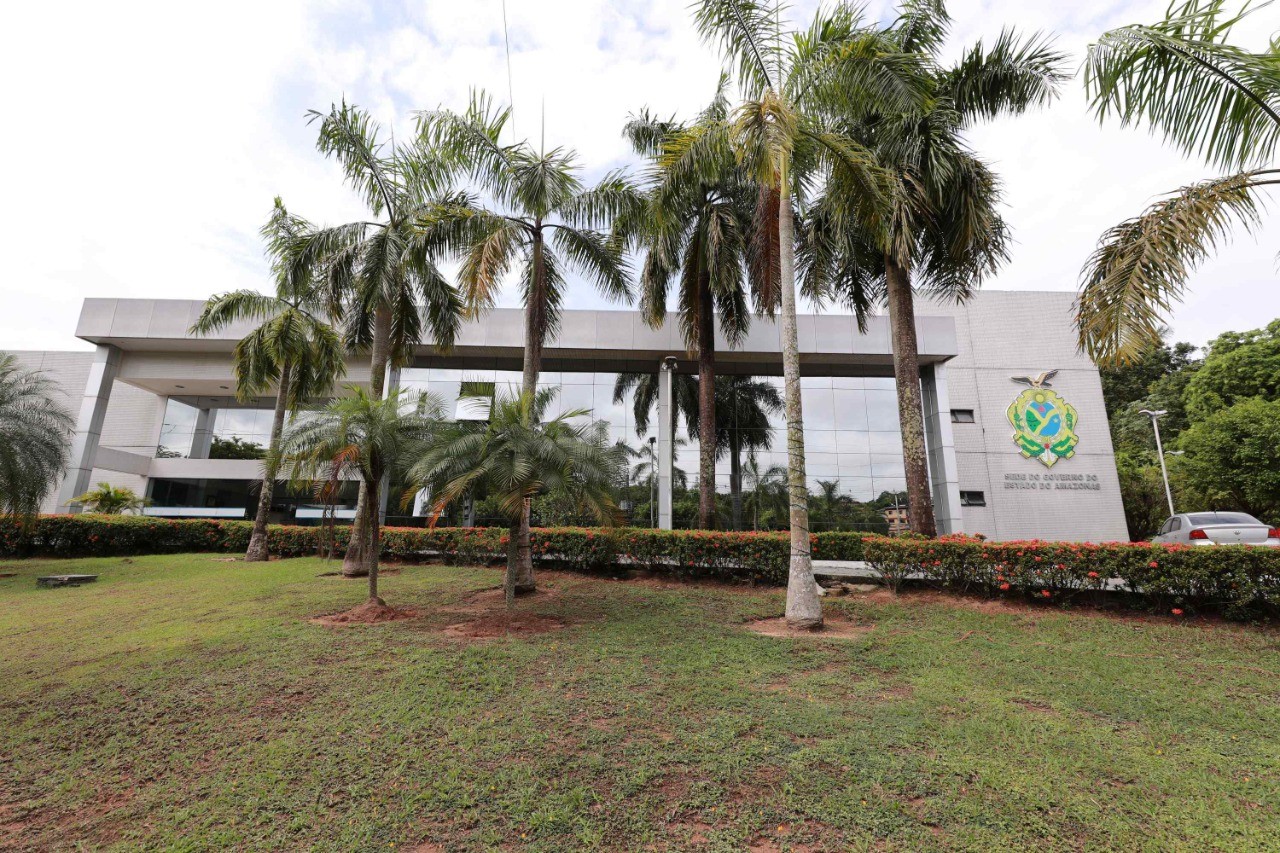
The Amazonas State Government disbursed R$10.7 million in daily allowances to state servers between January and June 2026. This represents a 10.33% increase compared to the R$9.7 million spent during the same period in 2025. Daily allowances are provided to state employees undertaking official travel. The government specifies four tiers for these allowances, ranging from R$186.00 for mid-level staff to R$227.85 for Deputy Executive Secretaries, with other rates for fiscal analysts, military officers, and higher-level positions.
The State University of Amazonas (UEA) accounted for the largest portion of these expenses, paying R$2.3 million for approximately 9,500 allowances, which is 21% of the total government expenditure. Following UEA, the Public Security Secretariat of Amazonas (SSP-AM) and the Military Police of Amazonas (PMAM) were significant disbursers, with PMAM paying R$1.2 million for about 9,600 allowances. The State Agency for Agricultural and Forestry Defense (Adaf) and the State Tourism Company of Amazonas (Amazonastur) also ranked among the top five agencies for daily allowance spending.
This rise in daily allowance expenditure occurs amidst a warning from the Amazonas government regarding a decline in Goods and Services Circulation Tax (ICMS) revenue. Governor Roberto Cidade highlighted this concern in the 2027 Budget Guidelines Law (LDO) project, citing international economic uncertainty and geopolitical tensions as potential factors. The ICMS revenue saw a 4.85% drop in the first four months of 2026 compared to the previous year, particularly impacted by a significant decrease in the imported inputs and fuel sectors, attributed to currency appreciation and reduced taxable volumes of imported goods.
The Amazonas State Government's increased spending on daily allowances, coinciding with a reported decline in ICMS revenue, presents a complex fiscal picture. From a governance perspective, the transparency portal data allows for public scrutiny of these expenditures, which is a positive indicator of accountability. However, the simultaneous rise in travel-related per diems and a projected decrease in tax collection warrants careful examination of resource allocation priorities. The government's explanation points to external economic factors for the revenue shortfall, but internal spending patterns, such as the increase in allowances, may also warrant review to ensure alignment with fiscal prudence, especially when considering the broader economic outlook and potential impacts on public services over the next decade.
AI-generated to prompt reflection — not editorial opinion, not advice, not a statement of fact. How this works.