Amazonas State Pays R$18 Million for Student Transit Pass, Vice-Governor Declares Issue Resolved
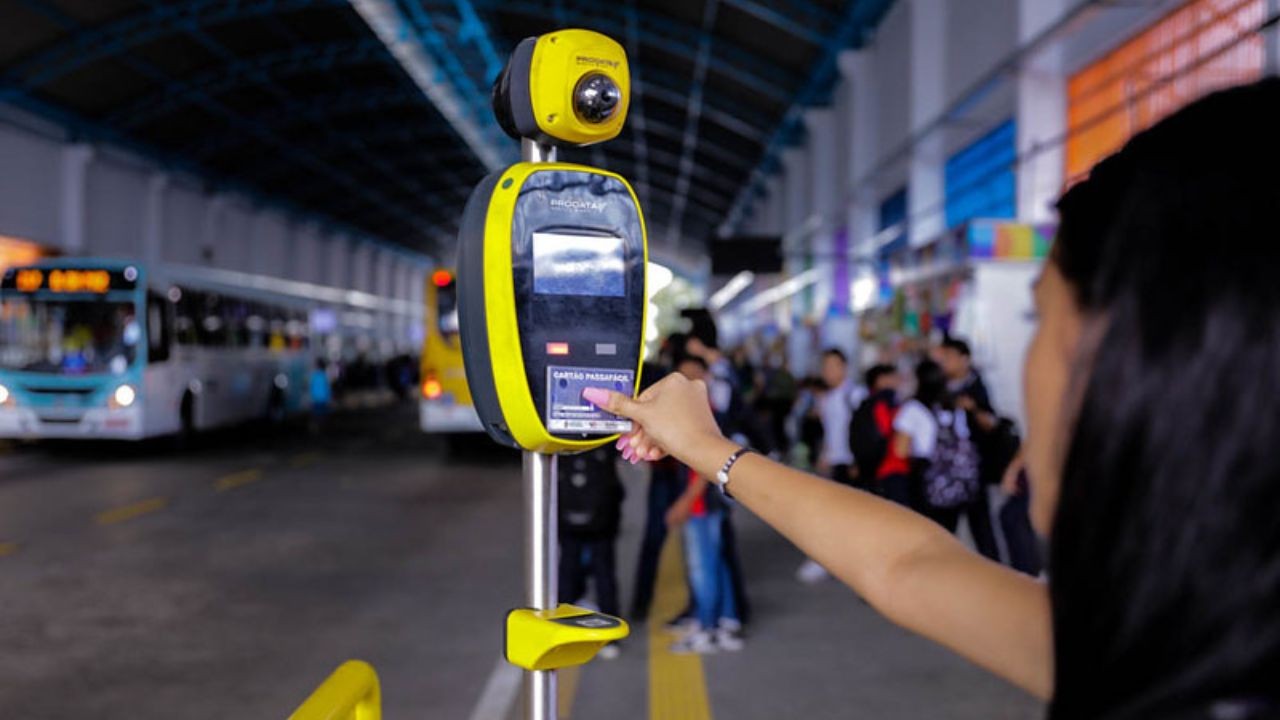
The Governor of Amazonas has announced the payment of R$18 million to settle six months of overdue amounts for the Student Transit Pass (Passe Livre Estudantil) for state school students in Manaus. Vice-Governor Serafim Corrêa stated that the funds were deposited into the account of the Syndicate of Passenger Transport Companies of Amazonas State (Sinetram) on Tuesday evening. This payment was made via the State Secretariat of Education and Sports of Amazonas (Seduc-AM) and was intended to resolve the issue, with Corrêa declaring "We did our part. Issue closed." The announcement followed Sinetram's claim that the state owed over R$44 million for the benefit, a figure the state disputes. The state's due amount, according to Corrêa, is R$18 million for February to July 2026, to be paid within 24 hours. The vice-governor clarified that this payment was not the direct cause of the ongoing bus driver strike, which began Monday due to salary payment delays, but was made to help normalize services. Meanwhile, the Mayor of Manaus, Renato Júnior, asserted that the municipality has no outstanding payments for 2026 to transport companies and has transferred R$284 million this year. However, the Municipal Institute of Urban Mobility (IMMU) acknowledged a municipal responsibility of approximately R$59 million towards Sinetram's R$150.4 million debt for 2025, leaving the remaining R$91 million as the state government's financial responsibility. The core of the dispute lies in the value per pass: the state government, citing a court decision from June 2025, insists on paying R$2.50 (half the student fare), while Sinetram advocates for the technical tariff rate, which exceeds R$8. This impasse began in 2025 after the end of a joint funding agreement between the state and municipal governments for the student transit pass.
The financial dispute over the Amazonas Student Transit Pass highlights systemic challenges in intergovernmental funding coordination and the complexities of public-private transport agreements. The differing interpretations of judicial rulings and the calculation of fare values (student half-fare versus technical tariff) reveal a disconnect in how public service obligations are quantified and funded. This situation underscores the need for clearer contractual frameworks and dispute resolution mechanisms to prevent disruptions to essential services like public transportation, particularly when they impact student access and the livelihoods of transport workers. Future policy should aim to establish transparent, predictable funding models that align with operational costs and judicial mandates, ensuring the sustainability of student transit benefits and the stability of the transport sector.
AI-generated to prompt reflection — not editorial opinion, not advice, not a statement of fact. How this works.