Amazonas State Registers 48 Dams in National Safety System, Report Shows
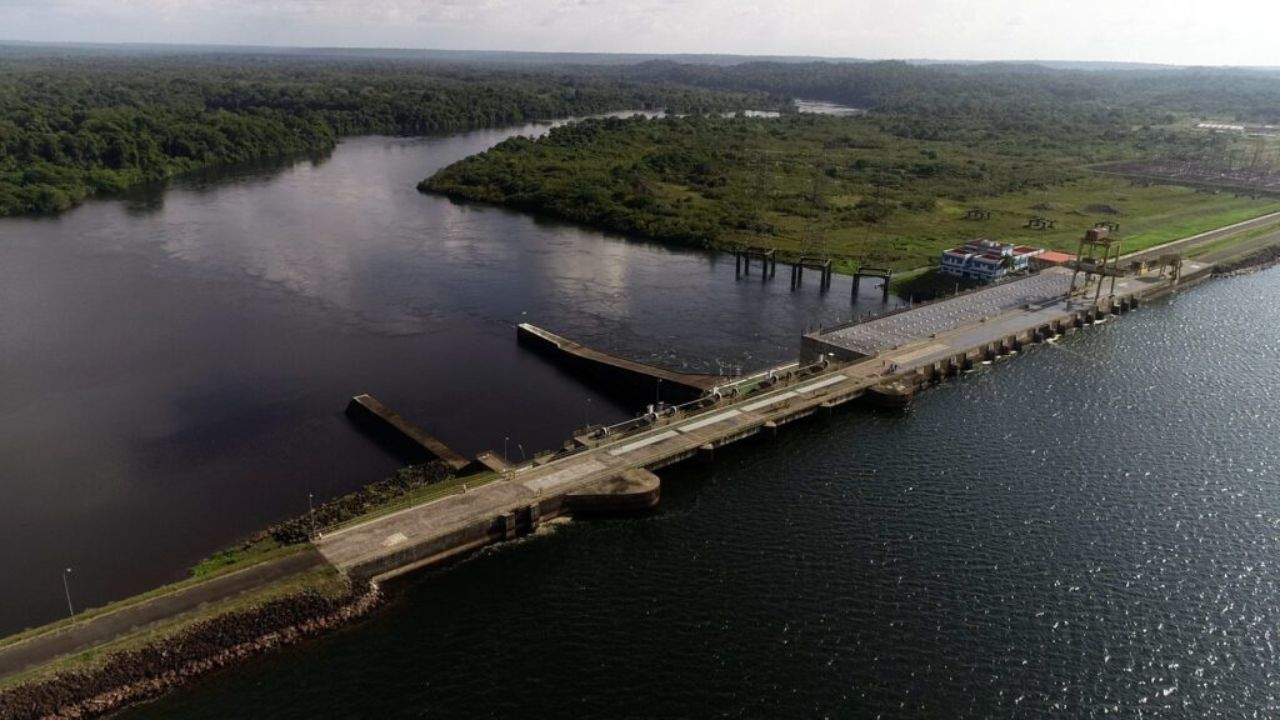
A recent report reveals that Amazonas state has 48 dams registered in the National Dam Safety Information System (SNISB). According to the 2026 Dam Safety Report, released by the National Water and Basic Sanitation Agency (ANA), Amazonas has one of the lowest numbers of registered structures nationwide and the second-lowest in the North Region. The report, which uses data from 2025, indicates that only Amapá, with 28 dams, has fewer registered structures in the region. Tocantins leads the North Region with 1,195 dams, followed by Acre (568), Pará (529), Rondônia (162), and Roraima (123). The Institute for Environmental Protection of Amazonas (Ipaam) is responsible for registering dams in the state. Nationally, 29,761 dams are registered, a 6% increase from the previous survey, with 1,676 new structures added. Despite this growth, ANA warns that many dams still lack sufficient information to determine their compliance with the National Dam Safety Policy (PNSB), which dictates inspection levels and safety measures. The national registry is crucial for identifying structures requiring greater attention and for directing preventive actions. The majority of registered dams, 97% (28,799), are used for water storage, primarily for irrigation (10,316), followed by animal watering (6,137), flow regulation (3,796), and human supply (2,376). Mining dams number 913, with 49 for industrial waste containment, and the total storage capacity is approximately 695 billion cubic meters. A significant challenge remains the quality of information; only 65% of dams have identified owners, and essential data like height and capacity are often missing, hindering risk classification and adherence to the PNSB. Dams are subject to stricter regulations if they are at least 15 meters high, have a capacity over 3 million cubic meters, contain hazardous waste, or pose a medium to high potential risk.
The ANA's report highlights a persistent challenge in Brazil's dam safety infrastructure: incomplete data. While the national registry has expanded, the lack of comprehensive information on dam characteristics, such as owner identification, height, and capacity, impedes effective risk assessment and regulatory oversight. This data gap, affecting 35% of registered dams, creates systemic opacity, potentially delaying necessary safety interventions and increasing vulnerability. Future policy should incentivize robust data collection and verification, possibly through tiered regulatory requirements tied directly to data completeness. This approach could foster a more proactive safety culture, aligning economic development with environmental stewardship and long-term resilience in the face of evolving climate and societal demands.
AI-generated to prompt reflection — not editorial opinion, not advice, not a statement of fact. How this works.