Amazonas State Reports 389 Disappearances Between January and May 2026
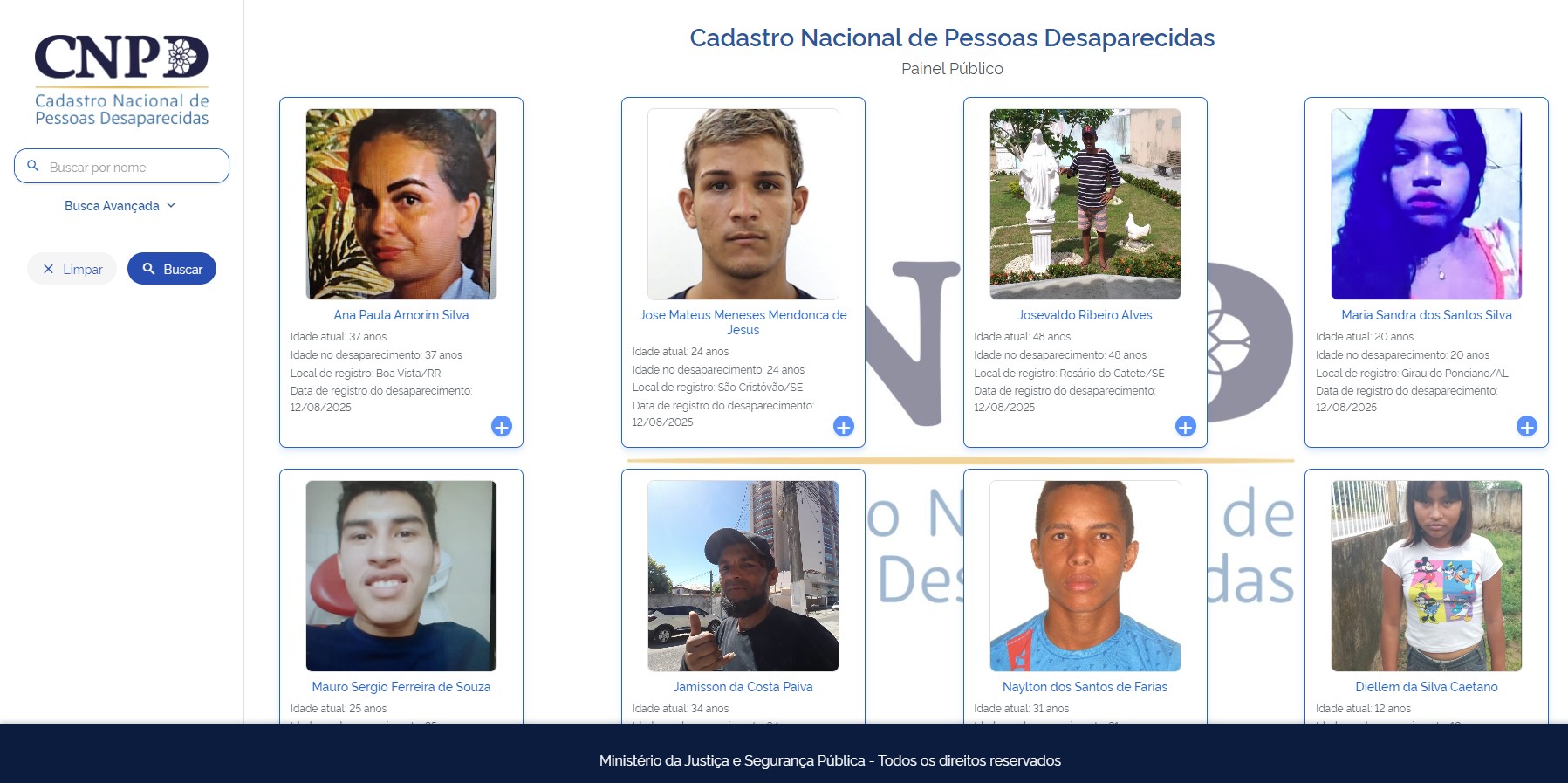
The Brazilian state of Amazonas recorded 389 disappearances and 286 located individuals between January and May 2026, according to data from the National Public Security Information System (Sinesp), released by the State Public Security Secretariat (SSP-AM). Overall, approximately 74 out of every 100 reported disappearances in the state result in the person being found. This recovery rate is higher for children and adolescents, at 81.8%, compared to adults, where the rate drops to 69.8%.
Psychologists describe the experience of a missing family member as a """"ambiguous loss,"""" which differs from traditional grief due to the lack of a clear resolution. This prevents families from performing necessary farewell rituals, hindering their ability to process their suffering. In the short term, this ambiguity can lead to anxiety, anguish, and disruption of daily routines. Over the long term, some families may become consumed by the search for answers, potentially leading to depression and internal conflicts.
Even upon reunion, challenges persist. The return of a missing person does not immediately end the suffering, as psychological scars can affect both the individual and their relatives. Returning individuals, particularly young people, may exhibit emotional fragility, shame, fear of social judgment, and guilt, with some showing clear signs of trauma. Experts recommend unconditional support and professional help for families to navigate these complex emotional landscapes. They also caution against excessive parental control, advocating for a balance between protection and rebuilding trust through dialogue.
The data from Amazonas highlights a significant societal challenge concerning missing persons, particularly the psychological impact on families characterized as """"ambiguous loss."""" This situation underscores the need for robust support systems that address not only the recovery of individuals but also the long-term emotional and psychological well-being of those affected. Future policy considerations could involve enhancing investigative resources, improving data sharing between agencies, and expanding access to mental health services tailored to families experiencing such prolonged uncertainty. Furthermore, understanding the systemic factors contributing to disappearances, such as socioeconomic conditions or specific demographic vulnerabilities, will be crucial for developing preventative strategies in the coming decade.
AI-generated to prompt reflection — not editorial opinion, not advice, not a statement of fact. How this works.