Amazonas Study: Only 1.4% of Low-Income Youth Complete Higher Education
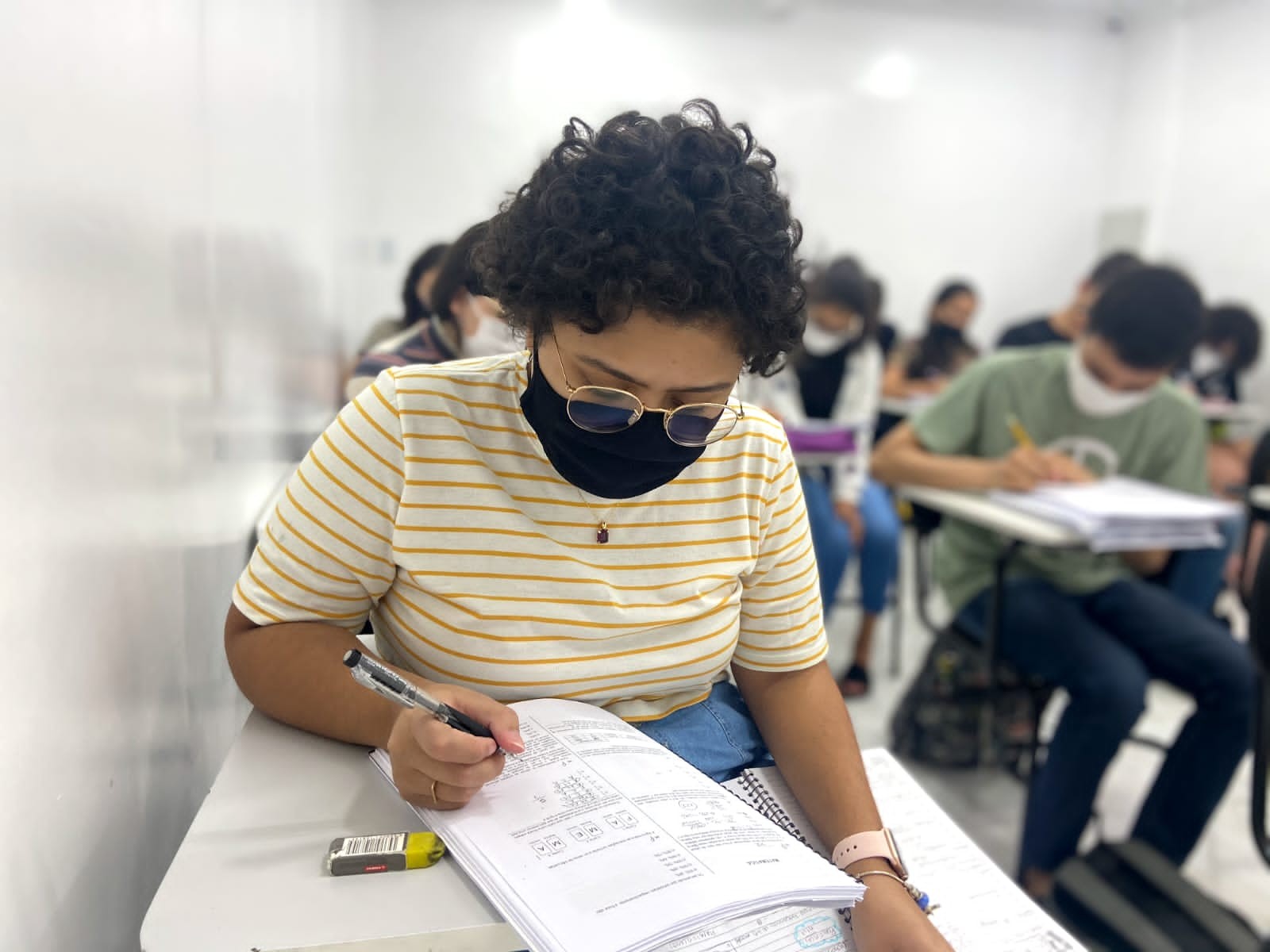
A recent study reveals a stark reality for low-income youth in Amazonas, Brazil, where only 1.43% manage to complete higher education. The Atlas of Social Mobility Brazil, a joint project by the Institute for Social and Development Mobility (IMDS) and Prospera Lab, highlights significant educational barriers starting from basic education. The research indicates that just 51.25% of young people from low-income families in Amazonas finish high school, a figure that directly contributes to the perpetuation of intergenerational poverty. Nationally, the rate of individuals remaining in low-income brackets is 66.6%, a considerably better figure than Amazonas's 80.2%. In terms of social mobility rankings among Brazil's 27 states, Amazonas ranks third from the bottom, ahead only of Acre and Amapá. The study further details that a mere 1.15% of children from vulnerable families in Amazonas reach the top 10% wealthiest individuals in the country, with only 5.82% accessing the top 25% richest group. Conversely, a significant 82.19% remain in the lower-income half, with 56.97% stuck in the bottom 25% and 26.13% in the bottom 10% extreme poverty bracket. The research also found that only 31.68% of children have a relative income at least 10% higher than their parents. Gender and racial disparities exacerbate these challenges, with 89% of those likely to stay in the poorer half being women. This figure rises to 89.5% for non-white women (Black, mixed-race, and Indigenous), indicating overlapping vulnerabilities that hinder social advancement. The study tracked families from low-income brackets with children between 2006-2010 and then followed these children into adulthood between 2015-2019 to compare their economic outcomes.
This study underscores a critical systemic issue in Amazonas: the profound lack of social and economic mobility for individuals from low-income backgrounds, particularly concerning access to higher education. The data suggests that the educational infrastructure and support systems are insufficient to overcome socioeconomic disadvantages, leading to a cycle of poverty that is significantly more entrenched than the national average. The stark gender and racial disparities highlighted indicate that existing inequalities are compounded, creating even greater barriers for non-white women. Addressing this requires a multi-faceted approach, focusing on early childhood education, equitable access to quality schooling, and targeted support programs for disadvantaged youth. Without significant interventions, the state risks perpetuating a rigid social hierarchy, limiting its human capital potential and economic development for decades to come.
AI-generated to prompt reflection — not editorial opinion, not advice, not a statement of fact. How this works.