Amazonas Voter Roll Grows 5.7% to 2.8 Million for 2026 Elections
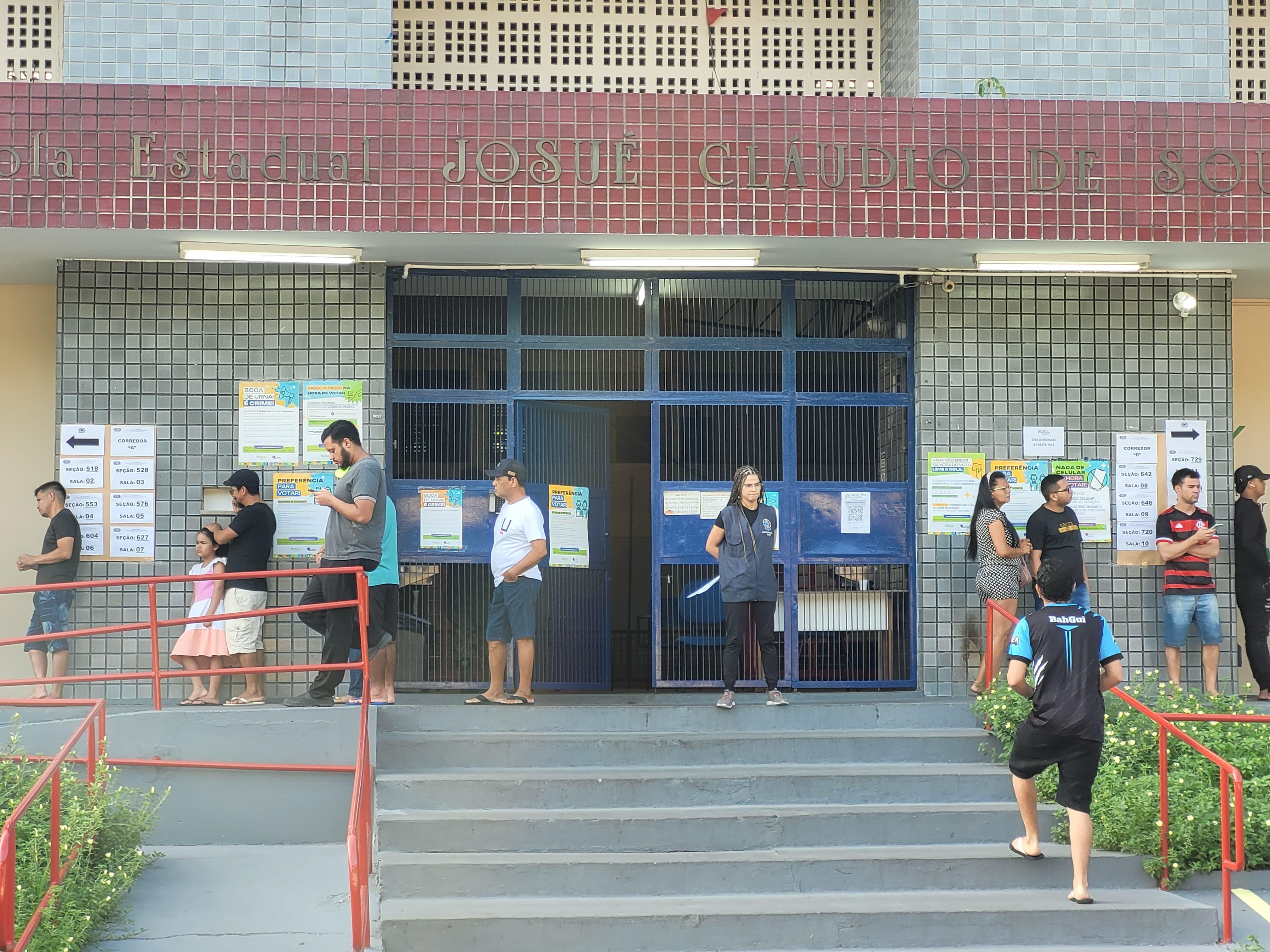
The state of Amazonas will have 2,801,182 eligible voters for the 2026 general elections, scheduled for October 4th. This figure represents a 5.7% increase compared to the 2022 elections, a growth rate that surpasses the national average, according to data released by the Superior Electoral Court (TSE). Similar to the previous election, the electorate in Amazonas is composed of 51% women and 49% men. The five municipalities with the largest voter populations are Manaus, Manacapuru, Itacoatiara, Parintins, and Coari, with the state capital holding the majority of the electorate.
Nationally, the total number of eligible voters for the 2026 elections stands at 158.7 million, marking a 1.46% increase from 2022, adding 2,291,452 new voters. The Northern Region, in particular, experienced the most significant proportional growth in its electorate, increasing from 12,560,410 voters in 2022 to 13,109,354 in 2026, a rise of 4.37% or 548,944 voters. This growth brings the region's share of the Brazilian electorate to 8.26%. Among individual states, Roraima saw the largest proportional increase at 9.63%, followed by Tocantins (8.07%) and Mato Grosso (6.84%). Additionally, the number of Brazilians eligible to vote abroad has risen by 31.82%, reaching 918,876 voters in 2026, up from 697,078 in 2022. Voters in the 2026 elections will choose the President, governors, senators, federal deputies, and state or district deputies.
The reported growth in the Amazonas electorate, exceeding the national average, highlights demographic shifts and potentially increased political engagement within the state. This trend, mirrored in the broader Northern Region's proportional gains, suggests evolving regional dynamics that could influence electoral outcomes and policy priorities in the coming years. As Brazil navigates the digital age, electoral bodies face the ongoing challenge of ensuring accessible and secure voter registration processes that accommodate population growth and geographic dispersion, particularly in vast and developing regions. Future electoral strategies may need to adapt to these changing demographics, focusing on voter education and participation initiatives tailored to diverse local contexts.
AI-generated to prompt reflection — not editorial opinion, not advice, not a statement of fact. How this works.