Amazonian Grasshopper Species Named After Boi Garantido Festival Songs
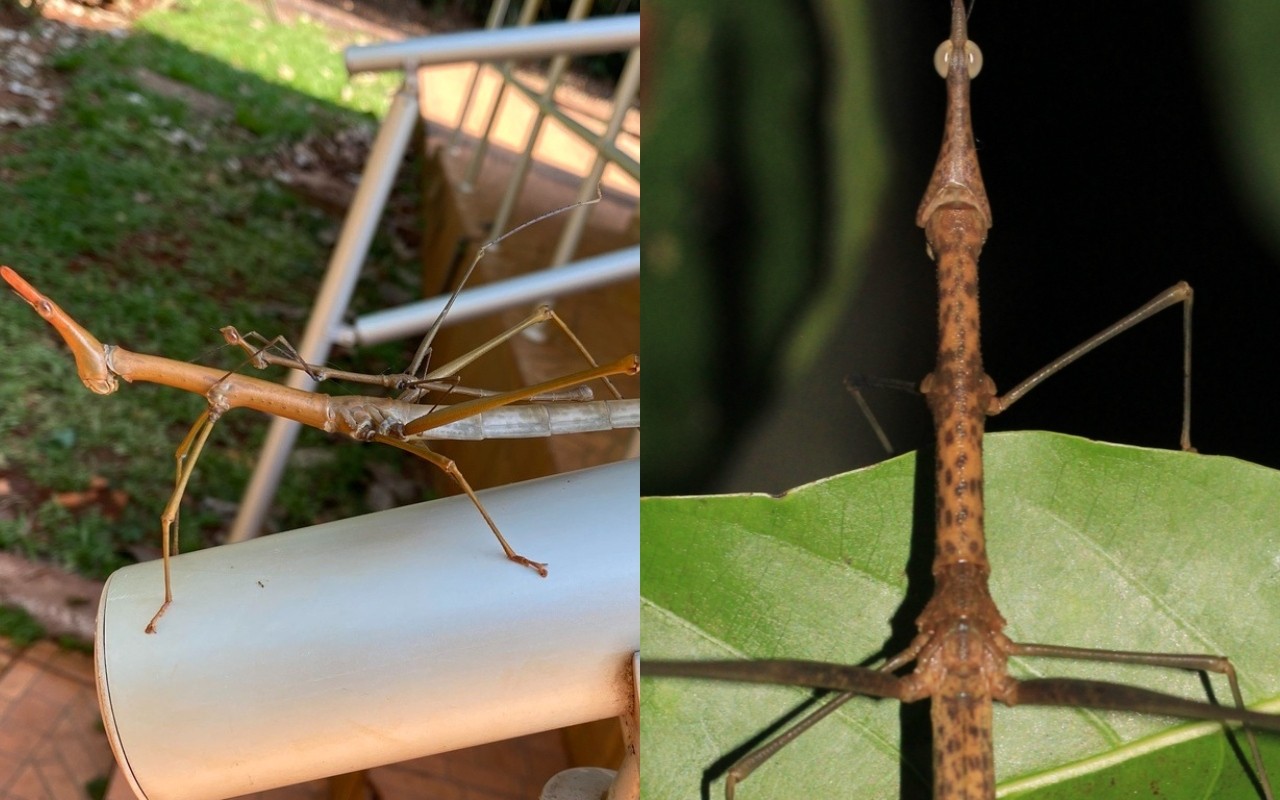
Two new species of grasshoppers discovered in the Brazilian Amazon have been named after popular songs from the Boi Garantido festival, a significant cultural event in Parintins, Amazonas. The species, Kamara kratxatxa and Proscopia caacy, are named after the toadas (songs) 'Kamara' and 'Mãe da Mata' respectively, both performed by the Boi Garantido troupe. This research, published in the journal Zootaxa on July 24, identified a total of nine new grasshopper species and four new genera, with eight of these species found within the Brazilian Amazon. The species Kamara kratxatxa, translating to 'jaguar grasshopper,' was inspired by the 2026 song 'Kamara' and incorporated elements of indigenous Hixkaryana language and culture through collaboration with João Kamarayano. Proscopia caacy draws its name from the 2011 toada 'Mãe da Mata,' with 'Caacy' meaning 'mother of the forest' in Tupi-Guarani. The study was led by researcher Larissa Lima de Queiroz of the National Institute of Amazonian Research (Inpa), alongside José Albertino Rafael from Inpa and Raphael Aquino Heleodoro from the National Museum. Queiroz, the sole Amazonian researcher specializing in grasshoppers in Brazil, aimed to connect science with local culture, drawing inspiration from her favorite songs and the rich traditions celebrated at the Parintins Festival. The research, initiated in 2019 during Queiroz's doctoral studies, involved fieldwork starting in 2022 and the analysis of specimens collected as early as 1984. The discovery of new genera, such as Kamara, represents a significant advancement, highlighting the vast, unexplored biodiversity of the Amazon.
This discovery underscores the critical role of biodiversity research in under-documented regions like the Amazon, where scientific classification continues to reveal unknown species and genera. The naming convention, drawing from local cultural expressions such as the Boi Garantido festival songs, serves as an innovative approach to engage public interest and acknowledge indigenous heritage within scientific nomenclature. This practice highlights a potential strategy for fostering greater appreciation for both natural and cultural heritage, bridging the gap between scientific discovery and community identity. Such interdisciplinary naming can also raise awareness about the conservation needs of these unique ecosystems and the cultural traditions they support, potentially influencing future research funding and conservation policies over the next decade.
AI-generated to prompt reflection — not editorial opinion, not advice, not a statement of fact. How this works.