Amazonian real estate embraces longevity-focused living with wellness condominiums
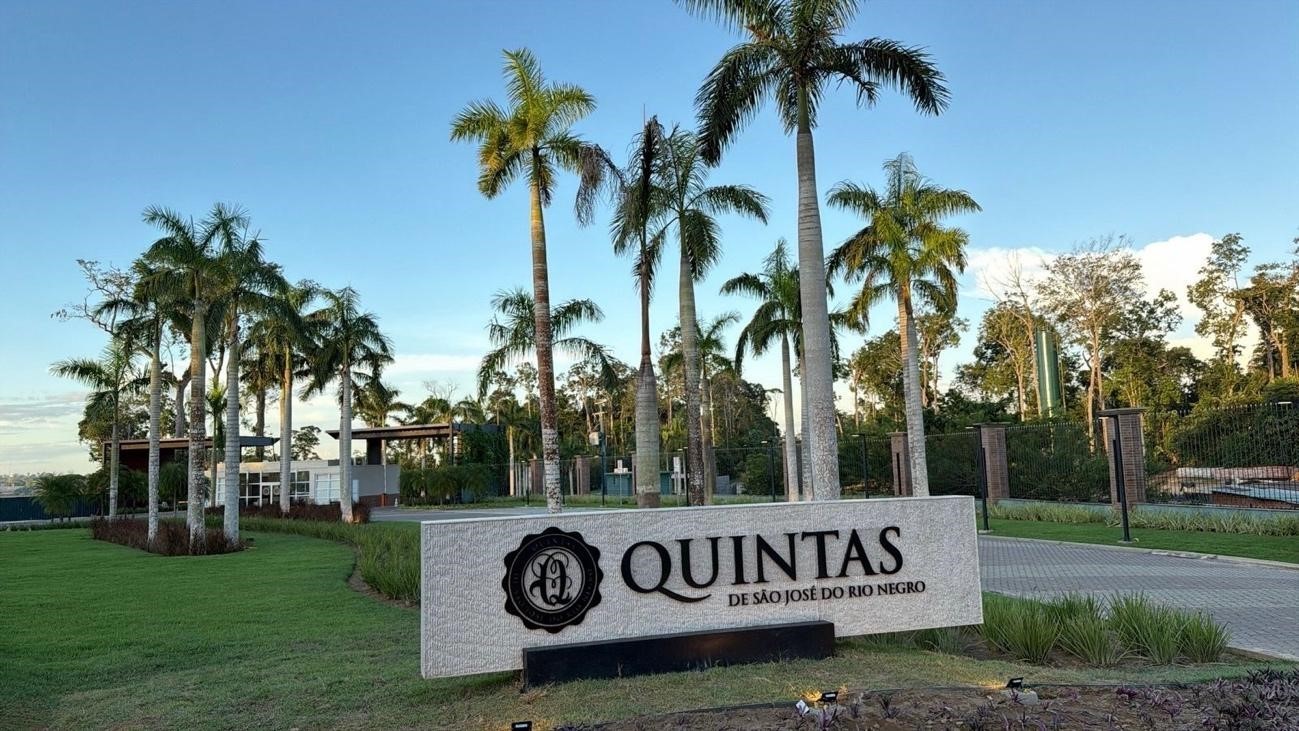
A new real estate concept prioritizing health and well-being, known as 'wellness building', is gaining traction in the Amazonian market. The Quintas de São José do Rio Negro condominium, located in the Tarumã neighborhood of Manaus, exemplifies this trend by integrating longevity science into its design. This high-end project aims to enhance residents' health through its 'high wellness' approach, focusing on strategic lot spacing of at least 1,500 square meters and biophilic architecture that harmonizes with the Amazonian landscape. This design minimizes noise and visual pollution while reducing stress by creating a visual connection with the surrounding forest. The development preserves over 50% of its green space and features trails for collective activities, mimicking the social dynamics of 'blue zones' known for promoting longevity. The preserved ecosystem contributes to a mild microclimate and clean air, benefiting cardiovascular and respiratory health, further supported by underground wiring and on-site wastewater treatment. João Batista Pi, director of BTP Urbanismo, stated that the project's technical and natural elements are designed to promote health, redefining contemporary luxury as control over time and the preservation of physical and mental vitality. The condominium also includes a modern fitness center with Technogym equipment for convenient physical conditioning and a chapel for spiritual well-being, alongside other spaces for various religious ceremonies. A concierge service is available to manage daily demands, freeing up residents' time for self-care and leisure activities like those at the Social Club and Golf Club. These advanced construction practices represent a significant step in urban development for Northern Brazil, demonstrating how real estate planning can positively impact regional health and environmental conservation.
The emergence of 'wellness buildings' like Quintas de São José do Rio Negro reflects a growing market demand for living environments that actively support health and longevity, moving beyond traditional metrics of comfort and convenience. This trend aligns with broader societal shifts toward preventative health and a greater appreciation for natural environments, particularly in urbanized settings. The project's emphasis on biophilic design, green space preservation, and community interaction addresses key determinants of well-being, suggesting a potential model for future urban planning that prioritizes human health and ecological integration. The integration of advanced amenities, such as high-tech fitness centers and concierge services, aims to reduce daily stressors and facilitate healthier lifestyles. This approach raises questions about the scalability and accessibility of such high-end developments, and whether the principles of 'wellness building' can be adapted to more diverse socioeconomic contexts to promote public health more broadly.
AI-generated to prompt reflection — not editorial opinion, not advice, not a statement of fact. How this works.