Amazonian Startup Uses Blockchain and Satellite Tech to Monitor 10,000+ Native Seedlings
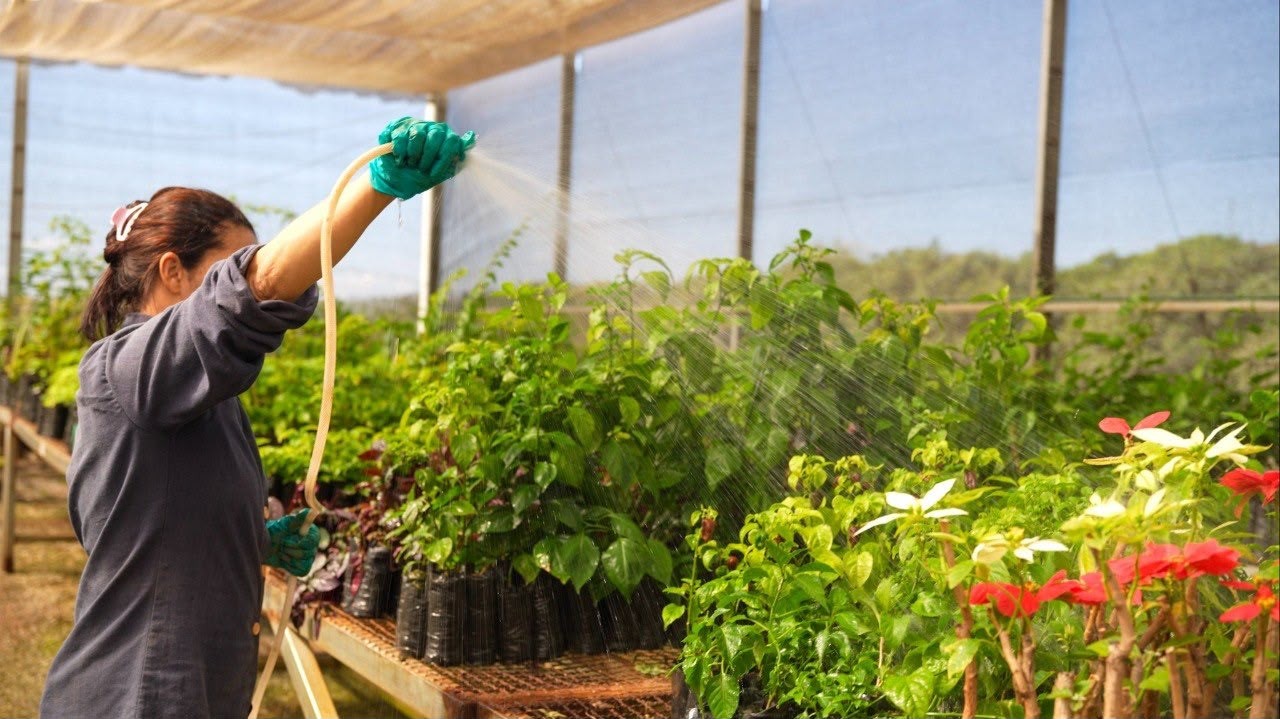
Over 10,000 native Cerrado seedlings are now being monitored using advanced technology developed by an Amazonian startup called Tree Earth. This initiative marks the pilot phase of a project by Tree Earth, a partner of the Amazonian Network Foundation, in collaboration with Kinross Brazil Mining. The project aims to oversee the environmental recovery of more than 10 hectares of mined land in Paracatu, Minas Gerais. The platform employs high-precision georeferencing, satellite monitoring, and blockchain records to document every stage of the environmental restoration process. Each seedling is individually registered with its geographic coordinates, allowing for tracking of its location, field history, technical documentation, and the overall progress of the restored area. This integrated digital environment combines satellite imagery, geospatial records, field data, and project evidence to enhance traceability and environmental asset management. Tree Earth CEO Vicente Tino stated that this technology establishes a new standard for monitoring ecological restoration projects by creating a digital history for each seedling, thereby strengthening environmental action traceability and providing a reliable basis for environmental asset management and future certification. The project also advances the development of a Measurement, Reporting, and Verification (MRV) system, increasing data transparency and the ability to prove results. Alessandro Nepomuceno, Director of Sustainability at Kinross Brazil Mining, highlighted how digital transformation can bolster environmental management, emphasizing the need to build trust alongside planting trees. The seedlings are part of Kinross's Community Nursery Program, which supports 20 local families in producing approximately 10,000 native Cerrado seedlings annually, including endangered species, for mine site restoration while generating income for participating families. This pilot project is expected to serve as a model for digitizing other ecological restoration and mined land rehabilitation programs across Brazil.
This project demonstrates the increasing integration of advanced digital technologies like blockchain and satellite monitoring into environmental restoration efforts. By providing granular, verifiable data on seedling progress, the initiative aims to enhance transparency and accountability in ecological recovery and carbon offset projects. The use of blockchain offers a robust mechanism for immutable record-keeping, potentially increasing investor confidence and facilitating future environmental certifications. This approach addresses a critical need for reliable MRV systems in the burgeoning environmental markets. The collaboration between a tech startup, a mining company, and a local community highlights a potential model for leveraging technological innovation to meet environmental remediation obligations and foster sustainable development, particularly in regions with significant mining activity. The scalability of this digital solution could influence how large-scale land rehabilitation projects are managed and financed globally in the coming decade.
AI-generated to prompt reflection — not editorial opinion, not advice, not a statement of fact. How this works.
