Amazonian Summer Reveals Seven River Beaches in Amazonas for Exploration
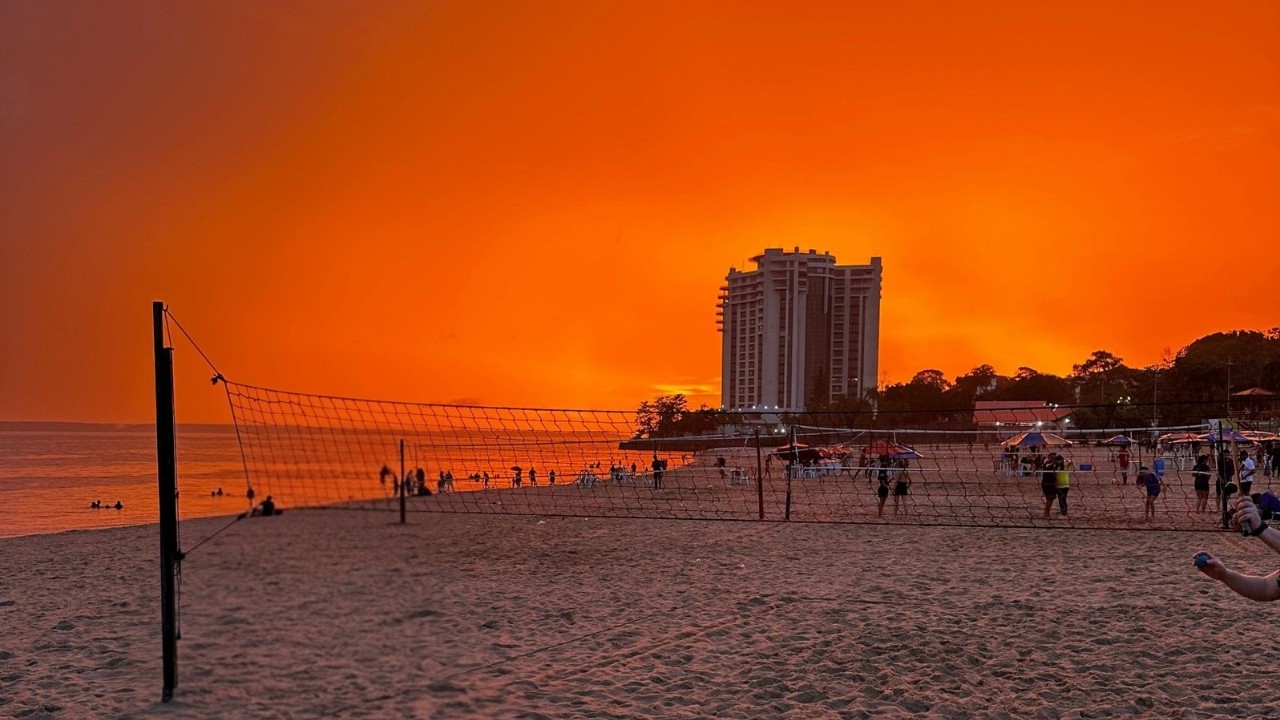
As the Amazonian summer arrives, receding river levels in Amazonas, Brazil, are revealing temporary sandbanks that transform into popular river beaches. These natural formations attract locals and tourists seeking freshwater swimming, leisure activities, and a connection with nature. The low-water season, typically from July to October, uncovers several key freshwater beach destinations within the state.
The article highlights seven such beaches. Praia da Ponta Negra in Manaus offers accessibility with its boardwalk, public spaces, and kiosks, reachable via Avenida Coronel Teixeira. For a more secluded experience, Praia do Tupé, located about an hour by boat from Manaus within the Tupé Sustainable Development Reserve, features white sand and the Rio Negro's waters, accessible by boat from Marina do Davi for R$10-R$20 per person. Praia de Açutuba in Iranduba, a popular spot accessible via the Ponte Jornalista Phelippe Daou and AM-070 highway, boasts extensive sandbanks. Praia do Miriti in Manacapuru, a river beach destination inland, is reached via AM-070, with paid parking up to R$20. Praia da Lua, also in Manaus and accessible by boat from Marina do Davi (R$10-R$20), is known for its restaurants and leisure activities. Praia do Japonês in Iranduba, another accessible option via AM-070, offers Amazonian vegetation and dining, with paid parking ranging from R$15-R$30. Finally, Praia de Paricatuba in Iranduba, accessible via the AM-070 and a 10km access road, is near the historic Paricatuba Ruins, offering views of the Rio Negro.
The emergence of temporary river beaches during the Amazonian low-water season presents a recurring natural phenomenon that facilitates tourism and local recreation. This cyclical event highlights the dynamic interplay between the region's hydrology and its economic activities, particularly tourism. While these beaches offer accessible natural attractions, their temporary nature and reliance on specific water levels underscore the importance of sustainable management practices. Future planning should consider how to leverage these seasonal opportunities while mitigating potential environmental impacts and ensuring equitable access for local communities. The infrastructure development around these beaches, such as roads and boat access, also warrants consideration regarding long-term ecological sustainability and economic benefits distribution.
AI-generated to prompt reflection — not editorial opinion, not advice, not a statement of fact. How this works.