Amazonian Turtle Listed as Endangered After Significant Population Decline
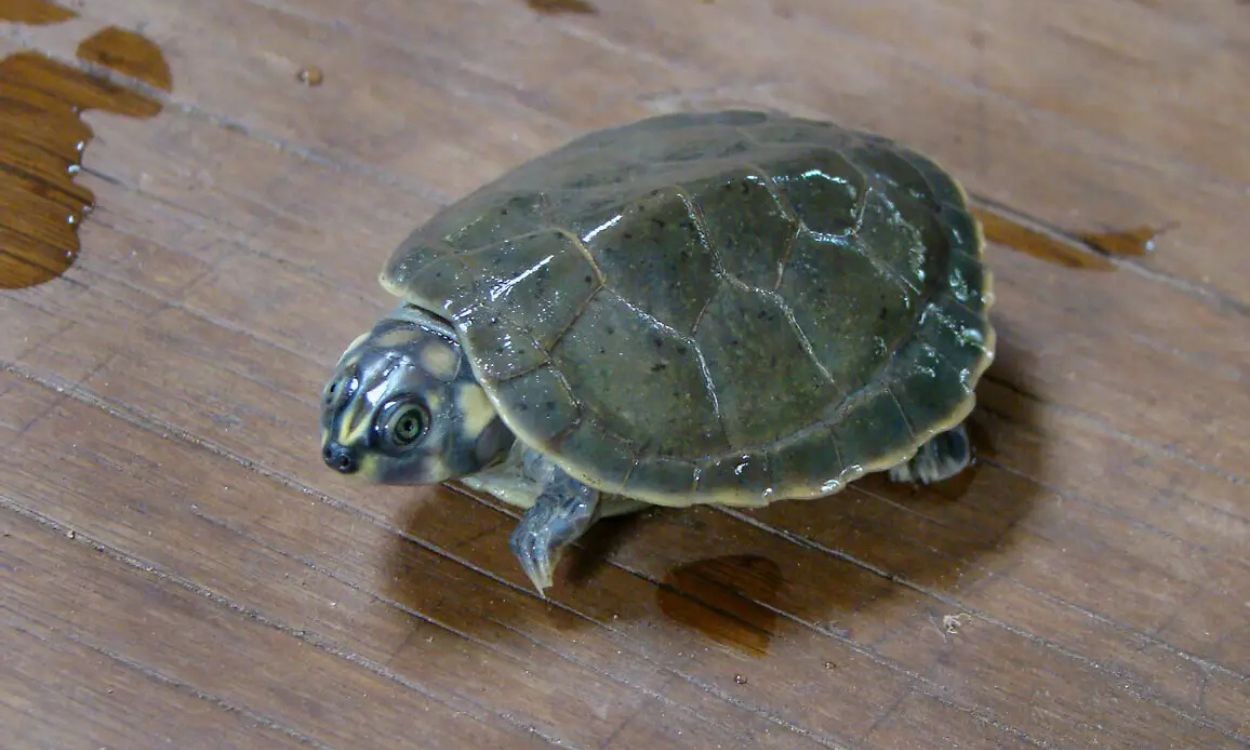
The Amazonian turtle, scientifically known as Podocnemis sextuberculata and also called pitiú or iaçá, has been officially classified as 'Endangered' on Brazil's National List of Threatened Fauna. This designation follows a population loss exceeding 50% in the western Pará and Amazonas states. The turtle's decline is primarily attributed to human activities, including direct capture, habitat loss, and environmental degradation, particularly affecting its nesting sites. Researchers like Raphael Alves Fonseca, an environmental analyst at Ibama and coordinator of the National Action Plan for the Conservation of Amazonian Chelonians, highlight that while capture remains the main threat, other factors are significantly contributing to the observed population decrease across various Amazonian regions. Specific areas, such as the Tapajós River basin, have seen notable declines. Although the exact number of remaining individuals is yet to be estimated due to the need for extensive Amazon-wide studies, monitoring has confirmed population reductions in several locations. The turtle's status varies across its distribution; some regions show stable or even growing populations, often correlating with the conservation status of their environments, such as in protected areas like Mamirauá Sustainable Development Reserve and Abufari Biological Reserve. However, altered water regimes, uncontrolled capture pressure, and potential sensitivity to heavy metals and pesticides in water are major concerns. The pitiú plays a vital role in aquatic ecosystems as a food source, seed disperser, and environmental quality indicator. Its endangered status underscores the urgent need for enhanced conservation efforts, though existing prohibitions on consumption and trade remain unchanged. Conservation plans already include measures for increased monitoring, species protection, and mitigation of pollution, hydroelectric, and climate change impacts. The iaçá is considered more vulnerable than other related species due to its restricted distribution and heightened sensitivity to environmental changes.
The reclassification of the Amazonian turtle (Podocnemis sextuberculata) as 'Endangered' highlights the pervasive impact of anthropogenic pressures on biodiversity within the Amazon basin. The analysis points to a complex interplay of factors, including direct exploitation, habitat fragmentation, and indirect effects from environmental degradation and altered hydrological cycles. While protected areas demonstrate the efficacy of conservation management, the species' broader decline suggests systemic challenges in balancing regional development with ecological preservation. Future conservation strategies will likely need to address not only direct threats but also the cumulative impacts of climate change and potential water contamination, necessitating adaptive management frameworks that integrate scientific monitoring with robust policy enforcement across its range.
AI-generated to prompt reflection — not editorial opinion, not advice, not a statement of fact. How this works.