AMD's Strix Halo APUs Enter Robot and Physical AI Markets with X100 Chip Lineup
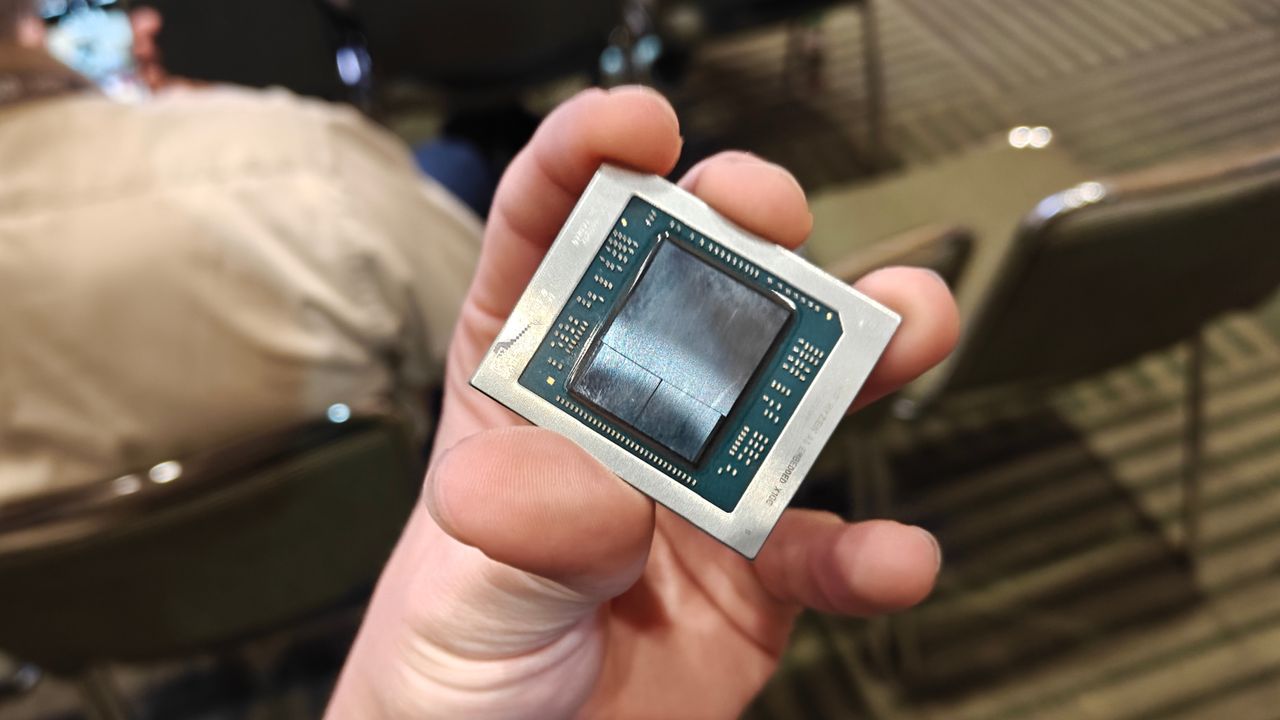
AMD has introduced its new X100 chip lineup, featuring the Strix Halo Accelerated Processing Units (APUs), specifically targeting the markets for robots and physical Artificial Intelligence. These new APUs integrate Zen 5 CPU cores and RDNA 3.5 GPU cores, positioning AMD to compete directly with Intel's upcoming Panther Lake processors. The X100 series is engineered for continuous 24/7 operation, a critical requirement for industrial and robotic applications. Furthermore, these chips are designed with an extended 10-year embedded lifecycle, ensuring long-term support and reliability for deployed systems. To facilitate development, AMD will also offer the X100 as part of a Kria System on Module (SOM), which serves as a dedicated robot developer platform. This strategic move by AMD aims to capture a significant share in the burgeoning field of AI-powered physical systems and robotics.
AMD's strategic deployment of its Strix Halo APUs into the robotics and physical AI sectors signifies a proactive response to evolving market demands for specialized, high-performance computing. By emphasizing 24/7 operational capability and a decade-long embedded lifecycle, AMD addresses key industry pain points related to reliability and total cost of ownership. This product strategy not only aims to challenge competitors like Intel but also highlights a broader industry trend toward integrating sophisticated AI processing directly into physical systems. The provision of a Kria SOM developer platform further lowers the barrier to entry for robot manufacturers, potentially accelerating innovation and adoption within the sector. This move could foster a more competitive landscape, driving advancements in AI hardware efficiency and application diversity over the next decade.
AI-generated to prompt reflection — not editorial opinion, not advice, not a statement of fact. How this works.