America 250: A Look Back at US Space Achievements and Future Aspirations
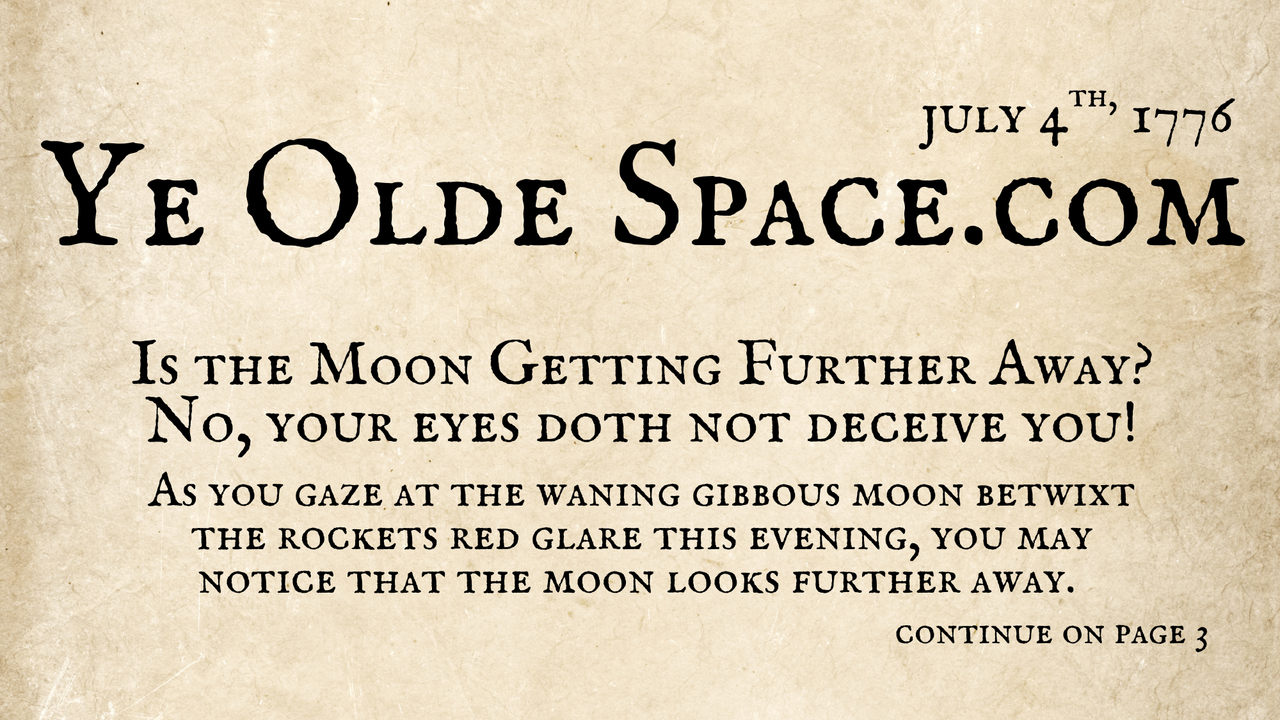
As the United States approaches its 250th anniversary, Space.com is launching a series to examine the nation's significant contributions to space exploration since 1776. The series will reflect on past American achievements in space and explore potential future directions for the country's space program. This retrospective aims to provide a comprehensive overview of the U.S. journey in space, from its early endeavors to its current position and its outlook for the coming decades. The initiative underscores the historical significance of space exploration in the broader narrative of American innovation and progress. It will also highlight the technological and scientific advancements that have defined the U.S. space program over its history. The series intends to inspire discussions about the future of space exploration and America's role within it. By looking back at milestones, the project seeks to inform and engage the public about the ongoing evolution of space technology and discovery. The ultimate goal is to provide context for where the U.S. has been and where it is going in the realm of space.
The upcoming America 250 series offers a valuable opportunity to contextualize the United States' historical trajectory in space exploration against its broader national narrative. By examining past achievements and future aspirations, the series can illuminate the evolving strategic, economic, and scientific drivers behind U.S. space policy. It may also provide a platform to critically assess the sustainability of current space ambitions, considering the immense resource allocation required and the increasing global competition. Furthermore, reflecting on the past 250 years of American innovation in this domain can inform future decision-making, potentially highlighting systemic challenges and opportunities in fostering continued leadership and international collaboration in the next era of space endeavors.
AI-generated to prompt reflection — not editorial opinion, not advice, not a statement of fact. How this works.