American Dream Persists After 250 Years, But Faith in It Is Fading
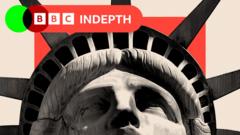
The concept of the American Dream, originating with the nation's Founding Fathers approximately 250 years ago, continues to endure. However, the public's belief in this ideal is demonstrably declining. This suggests a growing disconnect between the aspirational promise of upward mobility and the lived realities of many Americans. While the framework of the American Dream remains, its perceived attainability is diminishing. This erosion of faith could have significant implications for social cohesion and economic policy. The enduring nature of the ideal, coupled with its waning credibility, presents a complex challenge for the nation's future. The continued existence of the concept highlights its deep roots in American identity. Yet, the fading belief signals a critical need to re-evaluate how this dream is understood and pursued in contemporary society. The discrepancy between the ideal and its perceived accessibility is a central tension.
The enduring appeal of the American Dream, conceptualized over two centuries ago, highlights its foundational role in national identity. However, the reported decline in faith suggests a potential misalignment between historical aspirations and current socio-economic conditions. This divergence may stem from evolving economic structures, increasing inequality, or shifts in societal values. Examining the systemic factors that influence perceived opportunity and upward mobility is crucial. Understanding these dynamics can help identify policy levers or societal adjustments that might bridge the gap between the ideal and its practical realization in the coming decade, fostering a more inclusive and attainable vision for future generations.
AI-generated to prompt reflection — not editorial opinion, not advice, not a statement of fact. How this works.