American Dream Persists After 250 Years, But Faith Is Fading
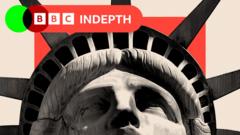
The concept of the American Dream, originating with the nation's Founding Fathers, has endured for approximately 250 years. However, recent trends indicate a significant decline in public faith and belief in this ideal. This erosion of confidence suggests that while the notion of the American Dream may still exist in principle, its practical accessibility and perceived attainability are diminishing.
The fading faith signifies a potential disconnect between the aspirational ideals of upward mobility and opportunity that define the American Dream and the lived realities of many citizens. This shift could have profound implications for social cohesion, economic policy, and the overall narrative of American identity. The persistence of the ideal, coupled with the decline in belief, presents a complex paradox that warrants further examination.
The enduring appeal of the American Dream, a foundational ideal for 250 years, is now challenged by declining public faith. This divergence suggests a growing gap between the aspirational narrative of opportunity and the lived experiences of economic and social mobility. As technological advancements and evolving economic structures reshape societal dynamics, the traditional pathways to achieving the American Dream may be becoming less accessible or perceived as such. Future policy and societal frameworks will need to address these systemic shifts to ensure that opportunities for advancement remain broadly available and credible, fostering continued belief in the nation's core ideals.
AI-generated to prompt reflection — not editorial opinion, not advice, not a statement of fact. How this works.