American English Evolves Amidst Cultural Shifts, Influenced by Music and Diversity
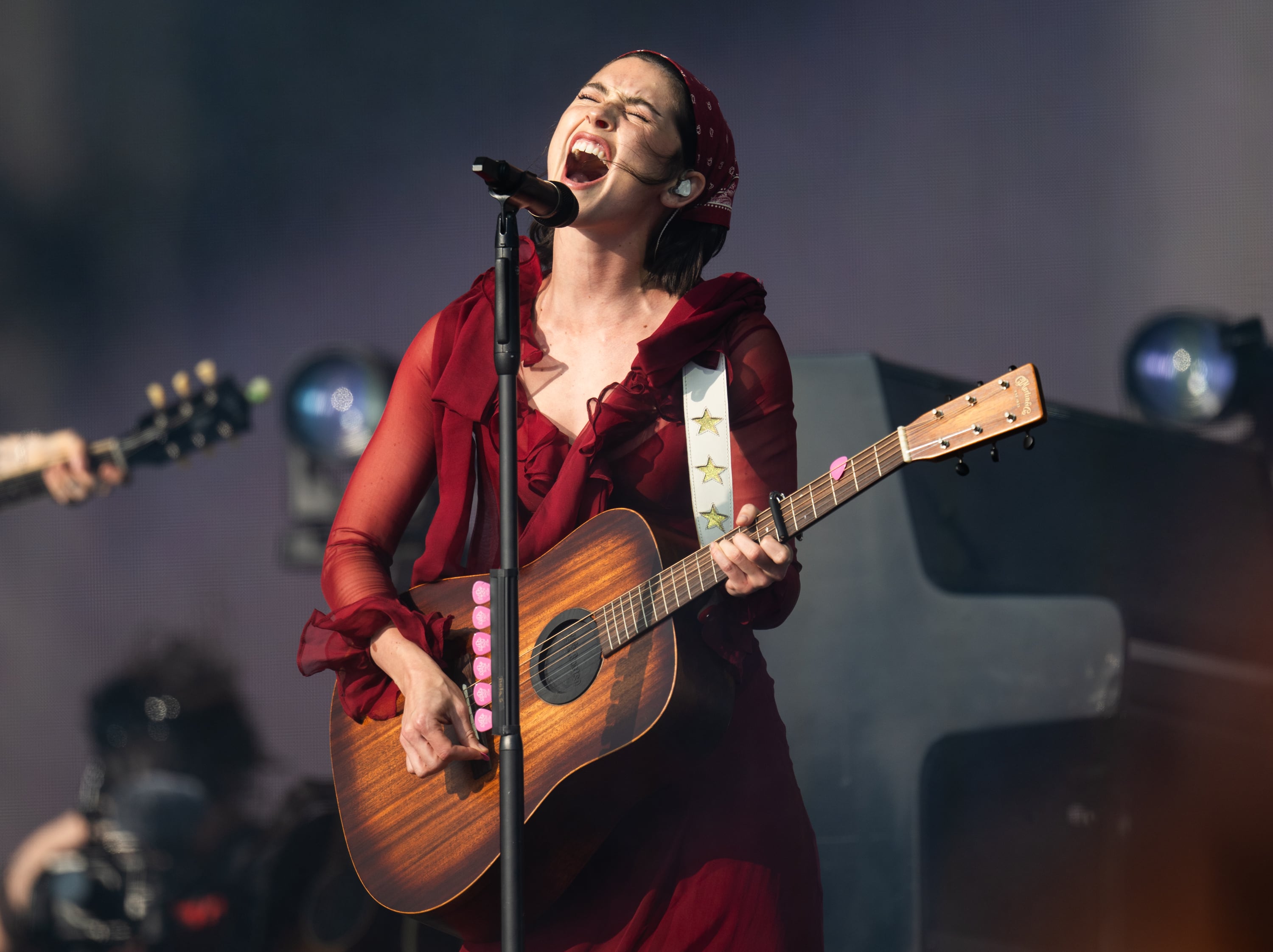
American English is undergoing a significant transformation, driven by the pervasive influence of African American and Latino communities. This linguistic evolution is characterized by a process of 'mestizaje,' or mixing, which is reshaping vocabulary and pronunciation. Popular culture, particularly music, plays a crucial role in disseminating these changes. Artists like Justin Bieber and Gracie Abrams, among others, are incorporating and popularizing new expressions and linguistic patterns. The trend favors shorter words and more concise expressions, reflecting a dynamic and adaptive nature of the language. This ongoing shift highlights how cultural exchange and the contributions of diverse linguistic backgrounds are continuously enriching and altering the American vernacular, independent of political figures like Donald Trump.
The evolution of American English, as described, reflects the natural and continuous process of language adaptation driven by cultural exchange and demographic shifts. The influence of diverse communities, particularly African American and Latino populations, is a well-documented phenomenon in linguistic history, often accelerated by the reach of popular culture like music. This trend towards conciseness and the adoption of new expressions is a systemic response to evolving communication needs and social dynamics. Examining this linguistic change through a futurist lens, we can anticipate that increased global connectivity and the rise of AI-mediated communication may further accelerate such transformations, potentially leading to new forms of linguistic efficiency and hybridity. Understanding these underlying mechanisms allows for a more objective appreciation of language as a living, responsive entity, rather than a static construct.
AI-generated to prompt reflection — not editorial opinion, not advice, not a statement of fact. How this works.