American Foulbrood Outbreak in Wittstock/Dosse Prompts New Beekeeper Regulations
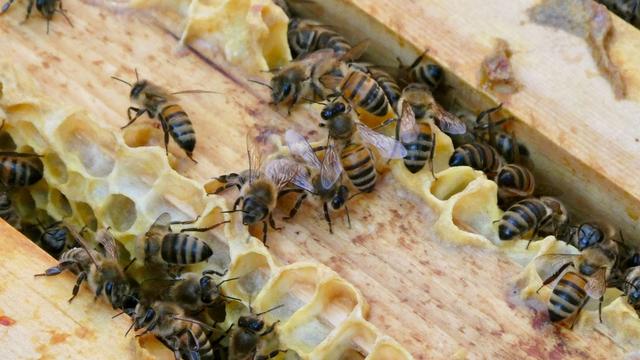
An outbreak of American Foulbrood, a highly contagious bacterial disease affecting honeybees, has been confirmed in Wittstock/Dosse, Germany. In response, local authorities have imposed new regulations on beekeepers in the affected area. These measures are designed to prevent the further spread of the disease, which can devastate entire apiaries. The specific requirements for beekeepers have not been detailed in this report but are expected to include restrictions on the movement of bees and beekeeping equipment. American Foulbrood is caused by the bacterium Paenibacillus larvae and is particularly dangerous because its spores can remain viable for decades, making eradication challenging. The disease affects the bee larvae, leading to their death before or shortly after pupation. This outbreak underscores the ongoing challenges faced by beekeepers in managing infectious diseases within bee populations, which are crucial for pollination and agricultural productivity. Further details on the implemented regulations and the extent of the outbreak are anticipated.
The emergence of American Foulbrood in Wittstock/Dosse highlights the persistent vulnerability of bee populations to infectious agents. Such outbreaks necessitate swift regulatory intervention to contain disease spread, balancing public health imperatives for bees with the operational needs of beekeepers. These measures, while critical for disease control, can impose significant economic and logistical burdens on apiarists. Future strategies may need to explore enhanced biosecurity protocols, improved diagnostic tools, and potentially breeding programs for disease-resistant bee strains to mitigate the long-term impact of such pathogens in an era where pollinator health is increasingly recognized as vital for ecosystem stability and food security.
AI-generated to prompt reflection — not editorial opinion, not advice, not a statement of fact. How this works.