American pilot killed by rebels in Papua; Indonesia recovers body
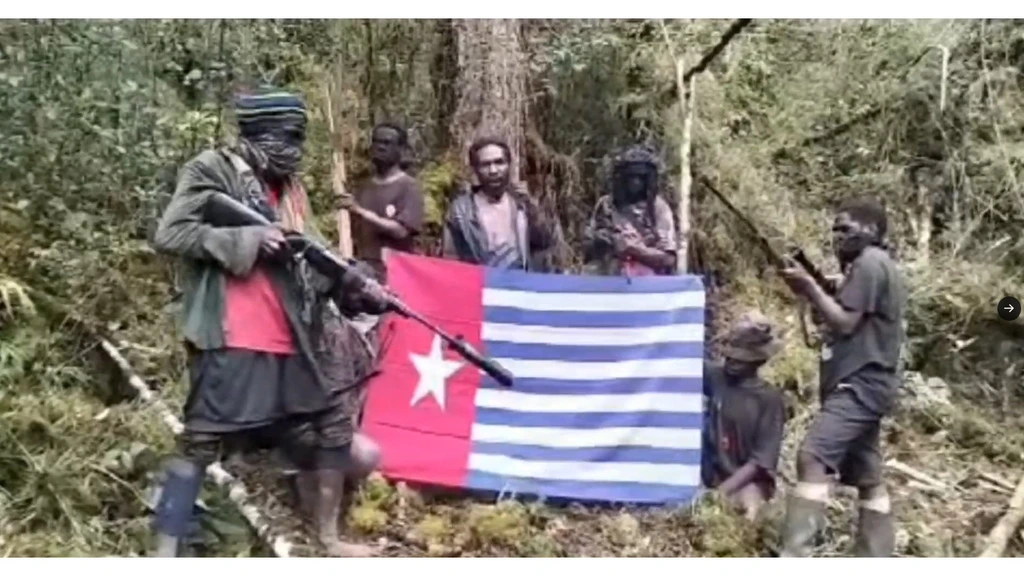
An American pilot, Nicholas Gosselin, was shot and killed by separatist rebels in the Indonesian province of Papua. His body was recovered by the Indonesian military on the western part of the island of New Guinea. The West Papua National Liberation Army (TPNPB), an armed separatist group, claimed responsibility for the attack in the Yahukimo region of Highland Papua province and stated that Gosselin's aircraft was also set ablaze. Communication with the plane was lost after it landed. The aircraft belonged to PT AMA, an airline that transports essential goods like food, fuel, mail, and medicine to remote villages in Papua. The TPNPB alleges that the plane regularly transported Indonesian soldiers and violated a rebel-imposed no-fly zone. However, the Indonesian military denies that soldiers were on board, stating that seven indigenous Papuan civilians were aboard and unharmed. The TPNPB described the attack as a 'message' to the governments of Indonesia, the United States, the Netherlands, and the UN, accusing them of failing to address the root causes of the conflict in Papua. The group urged Indonesian President Prabowo Subianto to initiate international negotiations. The TPNPB also warned of further attacks if Indonesia permits civilian aircraft to fly into areas where the independence movement is active. The conflict in Papua has persisted for decades between the Indonesian state and independence fighters, stemming from the region's incorporation into Indonesia in 1969 after a UN-backed referendum criticized by some as illegitimate. Recent years have seen multiple foreign pilots targeted by rebels in Papua, including the 2023 kidnapping of a New Zealand pilot and the killing of another New Zealand pilot last year.
This incident highlights the ongoing volatility in Papua, where armed separatist groups employ violent tactics to assert their political agenda and draw international attention. The TPNPB's claim that the attack serves as a 'message' to multiple governments suggests a strategic attempt to leverage international pressure to influence Indonesian policy. The conflicting accounts regarding the aircraft's passengers underscore the information warfare inherent in such conflicts. The TPNPB's stated grievances point to a deep-seated historical and political dispute over sovereignty, exacerbated by the region's perceived marginalization. Future developments will likely depend on the Indonesian government's response, the international community's engagement, and the TPNPB's capacity to sustain its campaign, with potential implications for regional stability and aviation safety in remote areas.
AI-generated to prompt reflection — not editorial opinion, not advice, not a statement of fact. How this works.