Americana Municipality Fined R$130,000 for Sewage Discharges into Waterways
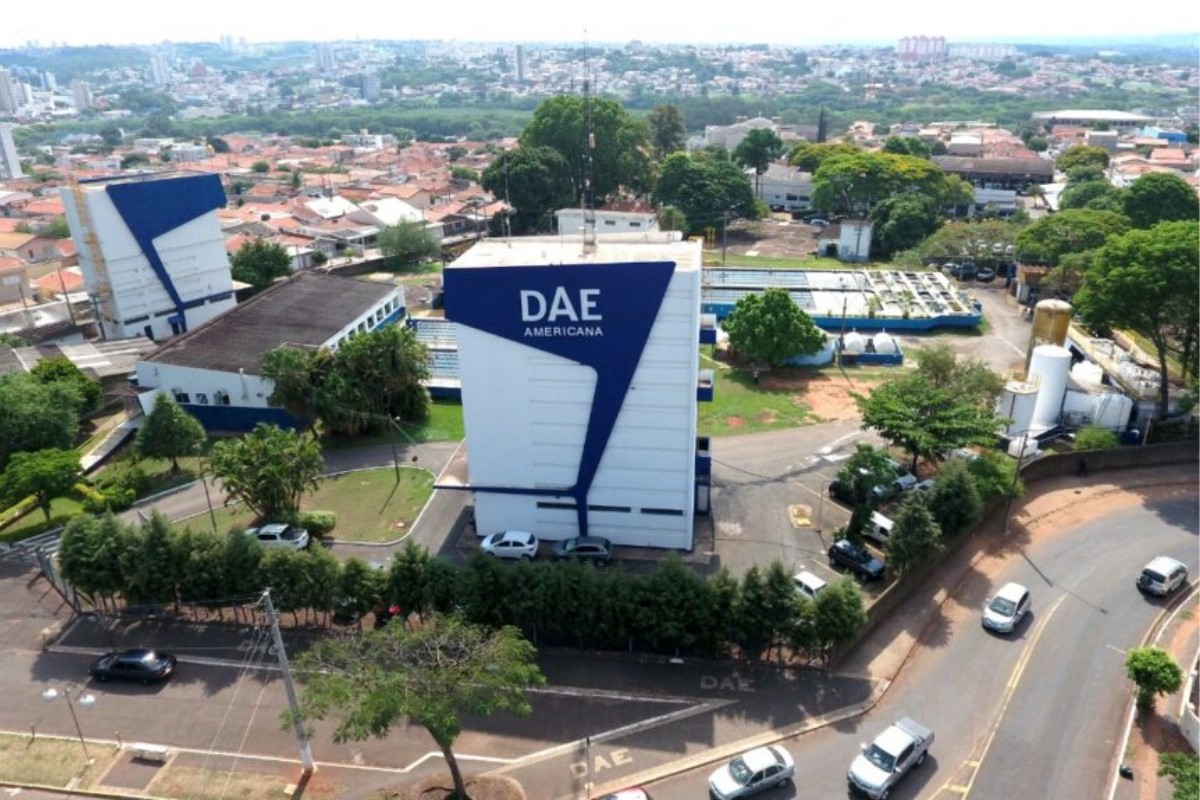
A court has fined the Municipality of Americana, São Paulo, R$130,000 due to 13 confirmed instances of sewage being discharged into the Piracicaba River, Quilombo Stream, Salto Grande Dam, and other public areas. These overflows originated from infrastructure managed by the Department of Water and Sewage (DAE) of Americana. The judge, Willi Lucarelli, also imposed a R$20,000 fine for each future proven case of discharge, with a potential maximum penalty of R$3 million. The DAE is now required to present a plan to prevent future sewage overflows. The municipality plans to appeal the decision, citing that electro-mechanical equipment in sewage systems is prone to failures and that DAE teams respond immediately to resolve issues.
The legal action was initiated by the Public Prosecutor's Office of São Paulo after the municipality failed to comply with a 2008 Conduct Adjustment Agreement (TAC) aimed at improving basic sanitation. This agreement, last updated in 2017, had deadlines for improvements until 2020, many of which were not met. The municipality cited a lack of funds as a reason for not executing clauses like reforms to the Carioba Sewage Treatment Station (ETE) and treatment enhancements. The judge ruled that technical justifications, such as equipment failures, do not exempt the polluter from responsibility in environmental law, which operates under a strict liability principle.
The 13 documented discharges occurred between February and June of 2026, involving various locations including Avenida Antônio Centurione Boer, Avenida São Paulo, Rua Vicente Sarra, and Córrego Bertini. The court's decision emphasizes that the ongoing process of granting the sanitation service to a concessionaire through the UniversalizaSP program does not absolve the municipality of its current responsibility to address the sanitation problems. The judge has suspended the main action until August 31, 2026, to monitor progress on implementing solutions.
This case highlights the persistent challenges in municipal sanitation infrastructure, particularly in rapidly developing regions. The repeated failure to adhere to environmental agreements and the resulting fines underscore a systemic issue where short-term financial constraints or operational inefficiencies lead to long-term environmental degradation and legal penalties. The judge's ruling on strict liability for environmental damage, regardless of technical failures, reinforces the principle that entities managing essential public services bear ultimate responsibility for their impact. As Americana moves towards privatizing its sanitation services, this situation serves as a critical case study on the importance of robust oversight and accountability mechanisms, ensuring that future investments translate into tangible improvements and prevent recurring environmental harm. The long-term success will depend on whether the new concessionaire can effectively overcome the legacy issues and implement sustainable solutions.
AI-generated to prompt reflection — not editorial opinion, not advice, not a statement of fact. How this works.