Americans increasingly using credit for grocery purchases
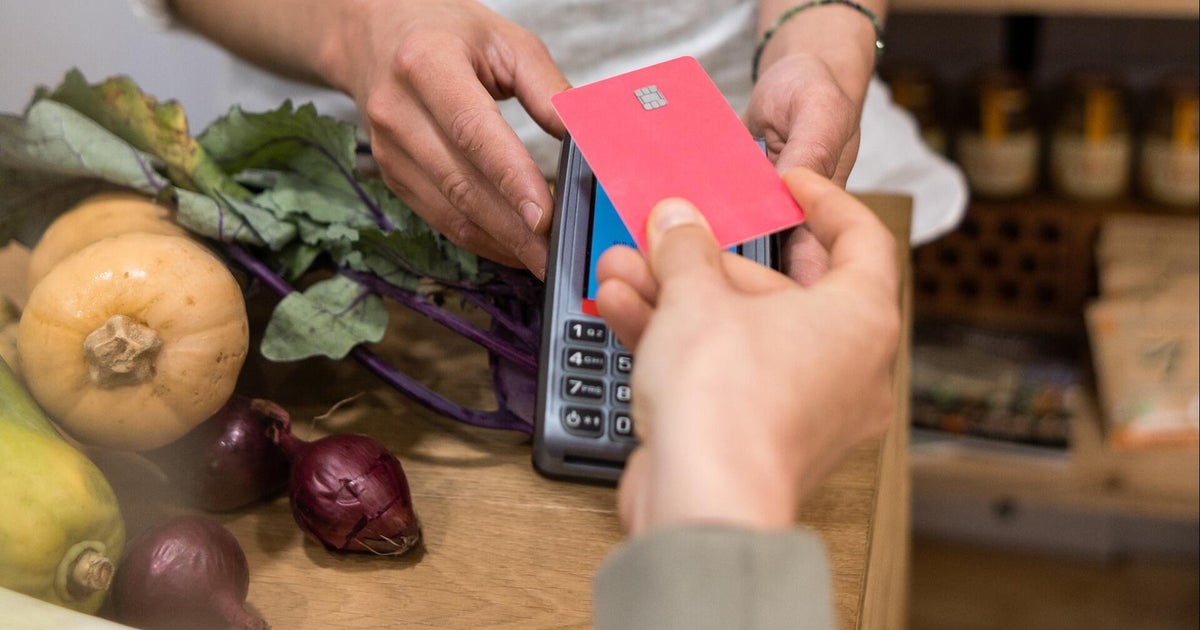
A growing number of Americans are relying on credit to cover their grocery expenses, according to research from the Urban Institute. This trend highlights a significant shift in consumer behavior, indicating financial strain for a portion of the population. Michelle Singletary, a personal finance columnist for The Washington Post, discussed the underlying reasons for this phenomenon on "The Takeout." The data suggests that basic necessities are becoming unaffordable for some, forcing them to seek alternative payment methods. This reliance on credit for food purchases can lead to accumulating debt, potentially creating a cycle of financial hardship. The implications of this trend extend to broader economic concerns, as it may signal underlying issues with wage growth, inflation, and food security.
The increasing reliance on credit for essential purchases like groceries suggests a widening gap between income and the cost of living. This phenomenon may reflect persistent inflation, stagnant wage growth, or inadequate social safety nets. From a systemic perspective, this trend could indicate a need for policy interventions aimed at improving food affordability and financial stability for vulnerable populations. Over the next decade, as automation and AI reshape the labor market, ensuring access to basic necessities without accumulating debt will become increasingly critical for societal well-being and economic resilience.
AI-generated to prompt reflection — not editorial opinion, not advice, not a statement of fact. How this works.