Amir Khan's Marriage Sparks Political Debate in Maharashtra
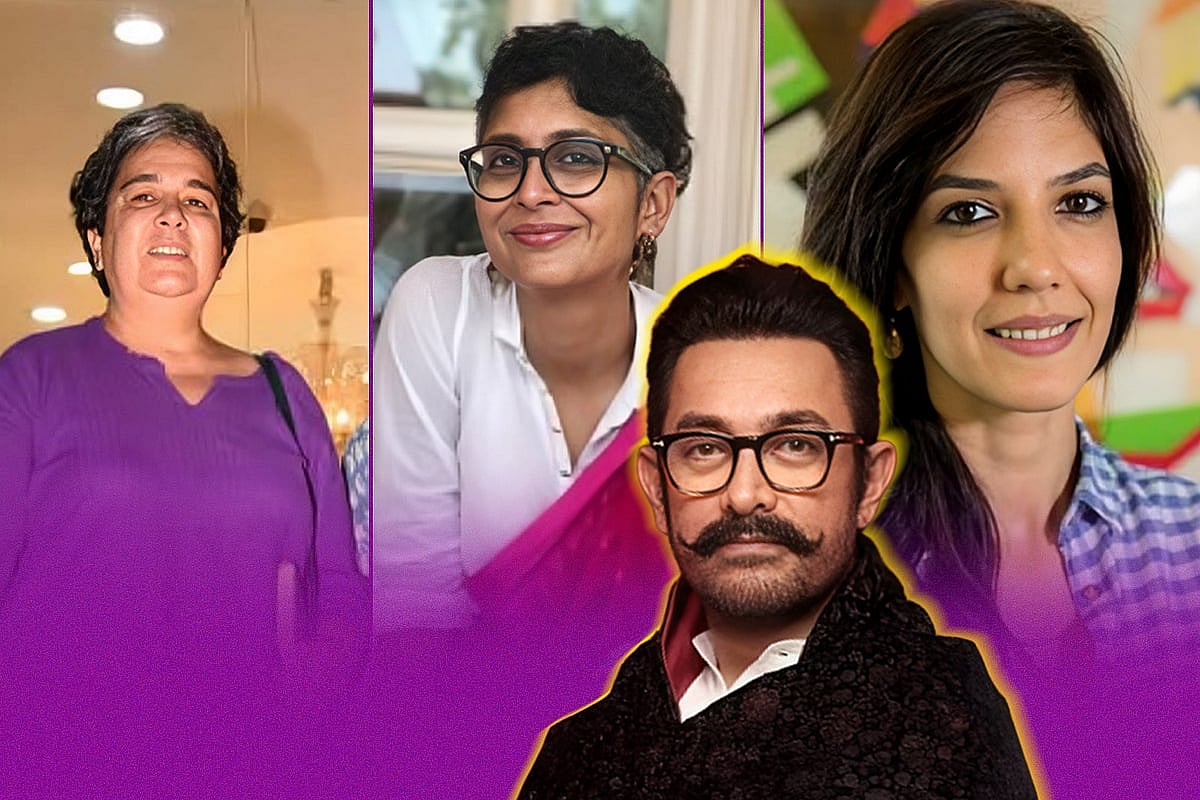
Bollywood superstar Aamir Khan married his long-time partner, Reena Datta, on July 5th in a registered ceremony at his Bandra residence in Mumbai. This marks Khan's third marriage, and the personal decision has ignited a political controversy in Maharashtra. Initially, BJP leader and minister Nitesh Rane commented on the marriage, and now Shiv Sena leader and Maharashtra government minister, Sanjay Shirsaat, has also criticized Khan.
Speaking to reporters in Sambhajinagar on Monday, Shirsaat stated that the personal decisions of popular figures influence society. He supported Rane's remarks, suggesting that when people follow an actor, they see them as an ideal, not just an artist. Shirsaat questioned what lessons people would learn from a star who marries three times, implying Khan could be a "Love Jihad" ambassador but would not win the hearts of ordinary people.
Earlier, Nitesh Rane had also made critical comments, questioning societal perceptions of such personal decisions by celebrities and whether Khan's recent marriage should be viewed as an example of "Love Jihad," urging the Hindu community to consider such matters. Rane's comments generated significant discussion, and Shirsaat's subsequent remarks have intensified the debate. Aamir Khan, who married Reena Datta in a private ceremony attended by family and close friends, has not yet responded to the political commentary.
The political commentary surrounding Aamir Khan's recent marriage highlights a recurring tension between personal autonomy and public expectations for prominent figures in India. Politicians from opposing parties have leveraged this event to frame it within broader societal narratives, such as "Love Jihad," which carries significant religious and political undertones. This framing potentially overlooks the complexities of individual relationships and the evolving nature of marriage in contemporary society. The discourse suggests a societal pressure on celebrities to conform to certain perceived norms, and any deviation can become a focal point for political critique. Future considerations may involve how public figures navigate personal choices amidst intense scrutiny and how political actors utilize such events to mobilize specific voter segments.
AI-generated to prompt reflection — not editorial opinion, not advice, not a statement of fact. How this works.