Amnesty International Urges India to Halt Arms Exports to Israel
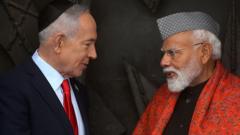
Amnesty International has called on India to cease its export of arms and related materials to Israel. The organization's recent report alleges that India has supplied equipment used in the manufacturing of weapons for Israel. Amnesty International expressed concern that these arms could be utilized by Israel in Gaza, potentially leading to mass atrocities. The report highlights the ongoing risk associated with such exports, particularly given the volatile situation in the region. The Ministry of External Affairs has reportedly presented arguments in response to these claims, though the specifics of their reasoning were not detailed in the provided text. This situation raises significant ethical and legal questions regarding international arms trade and a nation's responsibility in preventing the misuse of exported weaponry. The call from Amnesty International underscores the global scrutiny on countries supplying military hardware to conflict zones.
The situation presents a complex interplay between national security interests, international humanitarian law, and the global arms trade. Amnesty International's report highlights the potential for exported materials to be used in ways that violate international norms, raising questions about due diligence in arms export controls. India's response, as indicated by the Ministry of External Affairs' arguments, likely centers on its own strategic considerations and existing trade agreements. However, the broader implications involve the ethical responsibilities of states in preventing the exacerbation of conflict and potential human rights abuses through military supply chains. Future considerations for India and other nations will involve balancing economic and geopolitical relationships with the imperative to uphold international humanitarian principles, especially in light of evolving global conflicts and increased scrutiny from human rights organizations.
AI-generated to prompt reflection — not editorial opinion, not advice, not a statement of fact. How this works.