Amsterdam Commemorates Roma and Sinti Victims of WWII Persecution
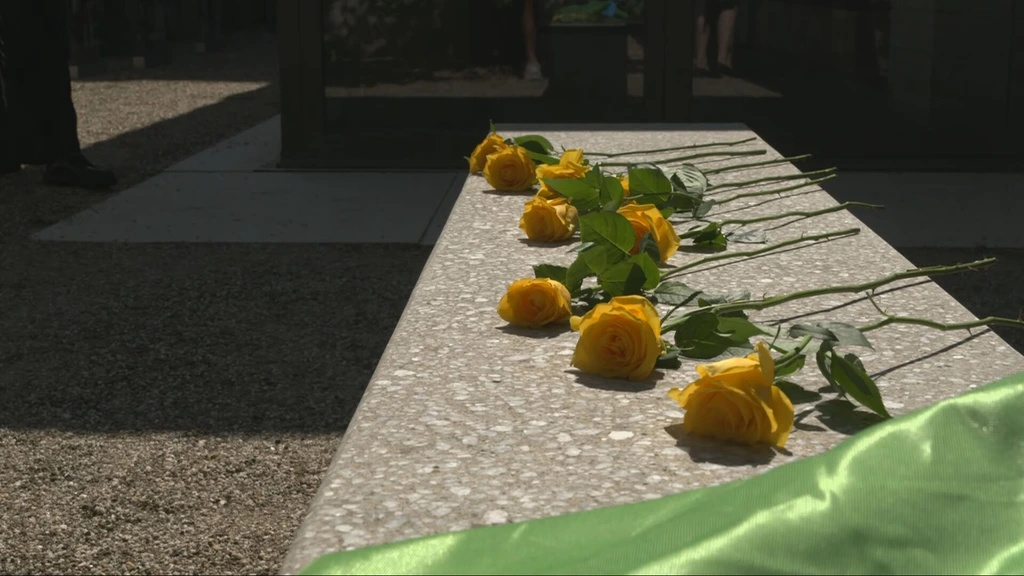
The National Holocaust Museum in Amsterdam hosted a commemoration for the Roma and Sinti people persecuted during World War II. The event featured speeches, the laying of flowers, and a minute of silence to honor the victims. For a long time, the suffering of the Roma and Sinti during the Holocaust received little recognition. Since 2015, August 2nd has been designated as a European day of remembrance. Kole Pavlov of the Dutch Roma Association explained that this date is significant because on August 2, 1944, over 4,000 Roma and Sinti men, women, and children were systematically murdered in the gas chambers of Auschwitz. Throughout Europe, an estimated 500,000 Roma and Sinti perished during the war due to mass murder, experimentation, and gassing, as the Nazis viewed them, like Jews, as a threat to the Aryan race. Pre-war Germany imposed severe restrictions on Roma communities, and in the Netherlands, Roma and Sinti, numbering around 4,500, were registered in the 1920s and 1930s, with over 200 ultimately dying in extermination camps. Pavlov emphasized the importance of remembering the victims, their families, the lost names, and the stories passed down or vanished, urging attendees to consider the ongoing impact of this trauma on current generations. The National Holocaust Museum also features an exhibition dedicated to the experiences of the Roma and Sinti during WWII, which was accessible to visitors during the commemoration.
This commemoration highlights the historical struggle for recognition of the Roma and Sinti genocide, a critical component of Holocaust remembrance often overshadowed by other narratives. The event underscores systemic discrimination rooted in racial ideologies, which tragically led to the systematic extermination of half a million individuals. The ongoing impact on descendants points to the enduring intergenerational trauma and the necessity of inclusive historical education. Future efforts should focus on integrating these narratives more fully into mainstream historical accounts and educational curricula to prevent recurrence and foster societal resilience against prejudice. The commemoration serves as a reminder of the fragility of human rights and the importance of vigilance in safeguarding minority groups against state-sanctioned persecution, especially in an era where algorithmic biases and digital profiling could potentially create new forms of marginalization.
AI-generated to prompt reflection — not editorial opinion, not advice, not a statement of fact. How this works.